
Dental Inlays and Onlays in Sainte-Julie
Durable Ceramic and Porcelain Restorations
Restore strength and beauty to your damaged teeth with a custom dental inlay or onlay. AM Denturologiste offers durable, aesthetic restoration solutions in Sainte-Julie, Quebec.
WHAT IS A DENTAL INLAY OR ONLAY?
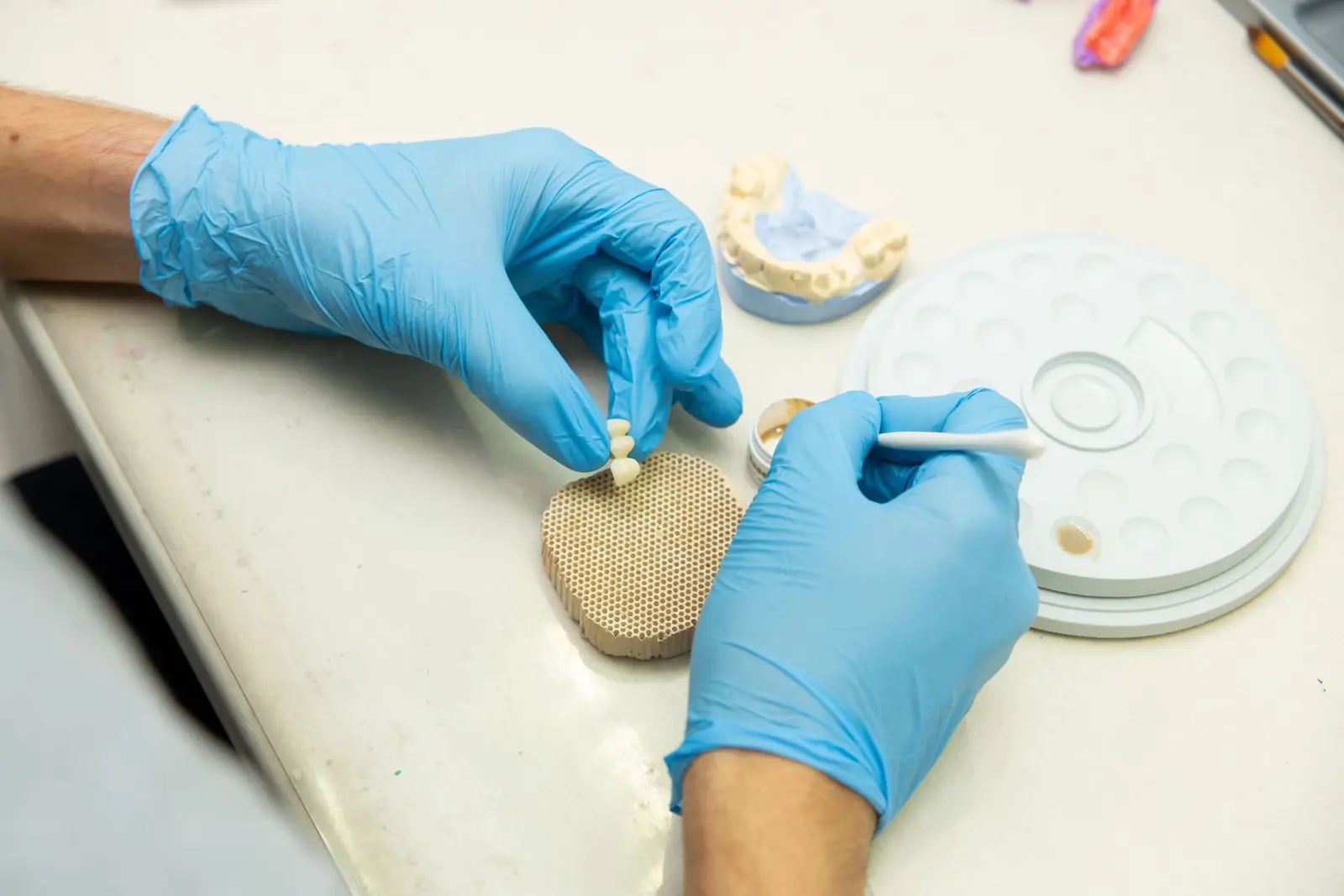
A dental inlay or onlay is a custom ceramic or porcelain restoration designed to repair a decayed, cracked, or damaged tooth. Unlike traditional fillings, which are molded directly into the tooth, an inlay or onlay is made in a laboratory for a perfect fit and exceptional durability.
Stronger than a filling and less invasive than a full crown, an inlay or onlay is the ideal middle ground for restoring your teeth while preserving as much natural tooth structure as possible.
The benefits of an inlay or onlay at AM Denturologiste:
Exceptional durability Can last 15 to 30 years with proper care, compared to 5-10 years for a traditional filling.
Natural aesthetics Ceramic and porcelain perfectly mimic the color, translucency, and texture of your natural teeth. No one will notice the restoration.
Reinforced strength Restores up to 95% of the tooth's original strength, letting you eat and bite normally without worry.
Tooth preservation Preserves more healthy tooth structure than a crown, which is better for the long-term health of your tooth.
Biocompatibility Hypoallergenic, safe materials that do not cause temperature sensitivity like metal fillings do.
Stain resistance Unlike composites, which can yellow, ceramic keeps its original shine for decades.
INLAY VS. ONLAY – WHAT IS THE DIFFERENCE?
Inlay (Internal Restoration)
An inlay sits within the cusps (points) of the tooth, in the central area of the chewing surface. It fills the space between the bumps of your tooth.
When to choose an inlay:
- Decay or damage localized to the center of the tooth
- The cusps (points) of the tooth are still intact
- A small to medium-sized restoration
- Replacing an old filling that does not reach the edges
Onlay (External Restoration)
An onlay covers one or more cusps of the tooth. It extends over a larger surface and can even cover the entire top of the tooth.
When to choose an onlay:
- More extensive damage affecting one or more points of the tooth
- A weakened cusp that needs protection
- A large cavity or a sizable old filling
- A conservative alternative to a crown when only one part of the tooth is affected
What they have in common: Both types of restorations are custom-made in a laboratory and offer greater strength and better aesthetics than traditional fillings.
WHEN DO YOU NEED AN INLAY OR ONLAY?
A dental inlay or onlay is the ideal solution in the following situations:
Significant tooth decay When the cavity is too large for a simple filling but does not yet require a full crown.
A defective filling that needs replacing Your old filling is worn, cracked, discolored, or no longer seals properly, letting bacteria in.
A cracked or weakened tooth A crack compromises the strength of your tooth and may grow larger. An inlay or onlay reinforces and protects the remaining structure.
Teeth that have undergone several treatments Teeth that have already had several fillings become fragile and require a stronger restoration.
An aesthetic alternative to amalgam fillings You want to replace your grey-silver fillings with a more aesthetic, modern solution.
Avoiding a full crown When your tooth is damaged but there is still enough healthy structure to avoid trimming the entire tooth for a crown.
Restoring molars and premolars These teeth undergo strong chewing pressures and particularly benefit from the strength of inlays and onlays.
THE INLAY AND ONLAY PROCESS AT AM DENTUROLOGISTE
Visit 1: Assessment and Preparation (60-90 minutes)
Complete examination We assess the condition of your tooth, take X-rays if necessary, and discuss your treatment options.
Local anesthesia Your comfort is our priority. The area is completely numbed for a pain-free treatment.
Removal of decay or the old filling We carefully clean away all decay and prepare the cavity to receive the inlay or onlay.
3D digital impression Using our state-of-the-art digital imaging technology, we create a precise impression of your tooth. No more uncomfortable traditional molds!
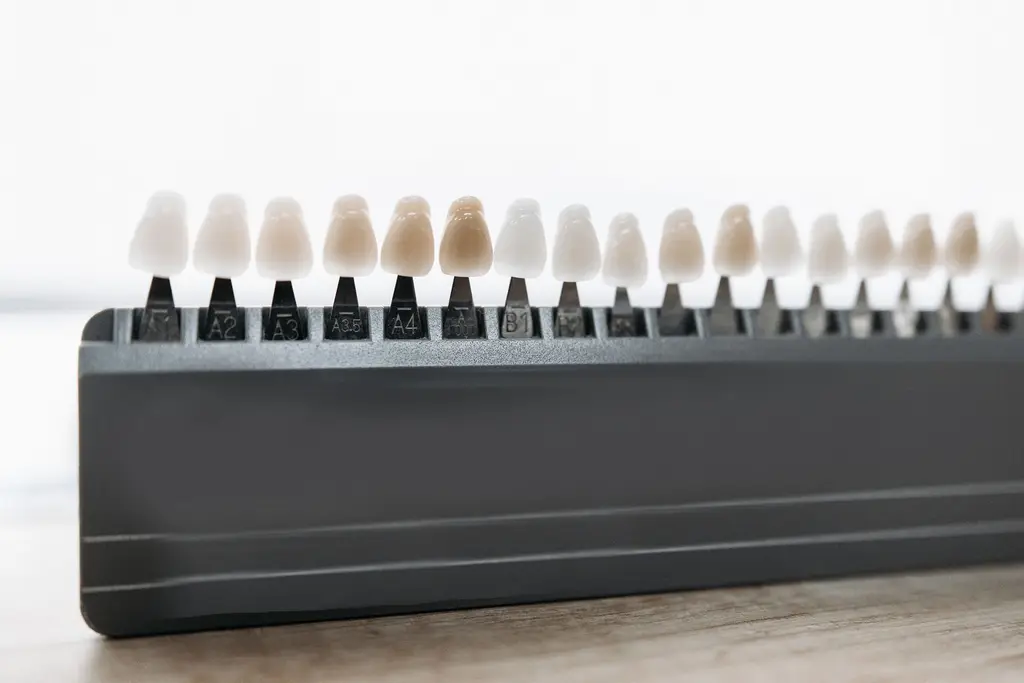
Shade selection Together, we determine the exact color that will blend in perfectly with your natural teeth.
Temporary restoration A temporary inlay or onlay protects your tooth while the final restoration is being made in the laboratory.
Between visits (1-2 weeks)
Your inlay or onlay is custom-made by specialized dental technicians in a certified laboratory. Every detail is carefully crafted to ensure a perfect fit.
Visit 2: Placement of the final restoration (30-60 minutes)
Removal of the temporary restoration We carefully clean the surface of the tooth.
Try-in and verification We place the inlay or onlay to check the fit, shape, and color. Minor adjustments are made if necessary.
Permanent cementation The inlay or onlay is permanently bonded using a high-quality dental cement that creates an airtight seal.
Polishing and bite adjustment We polish the inlay or onlay and adjust your bite for optimal comfort.
Care instructions We explain how to care for your new inlay or onlay to maximize its lifespan.
| Criterion | Filling | Inlay/Onlay | Crown |
|---|---|---|---|
| Durability | 5–10 years | 15–30 years | 15–25 years |
| Tooth structure preserved | Moderate (minimal removal) | Maximum (preserves healthy cusps) | Minimal (trims all around the tooth) |
| Resistance to chewing forces | Moderate (can crack under pressure) | Excellent (restores 95% of strength) | Excellent |
| Aesthetics | Good (can discolor) | Excellent (does not change color) | Excellent |
| Number of visits | 1 visit | 2 visits | 2–3 visits |
| Invasiveness of treatment | Low | Moderate (ideal middle ground) | High |
| Primary indication | Small to medium cavities | Medium to large cavities, weakened teeth | Severely damaged, root-canal-treated teeth |
MATERIALS USED
Ceramic (Porcelain) – OUR RECOMMENDATION
Why it is the most popular choice:
High-quality ceramic offers the best combination of aesthetics, durability, and biocompatibility. It perfectly mimics the translucency and color of natural teeth, making your restoration virtually invisible.
Benefits:
- Exceptional, undetectable aesthetics
- Stain resistance (coffee, tea, wine)
- Biocompatible (no possible allergy)
- Hardness similar to natural enamel
- Does not conduct heat or cold
- Lifespan of 20-30 years
Ideal for: All teeth, especially those visible when you smile.
Gold
The most durable material:
Although less aesthetic, gold remains the most durable and biocompatible restoration material ever used in dentistry.
Benefits:
- Extreme durability (can last 30+ years)
- Excellent biocompatibility
- Withstands chewing forces perfectly
- Does not wear down or wear down the opposing teeth
- Requires less tooth reduction
Ideal for: Back molars where aesthetics is not a priority.
Reinforced Composite
An intermediate option:
Modern composite reinforced with ceramic particles offers a compromise between performance and cost.
Benefits:
- More affordable than pure ceramic
- Good aesthetics
- Can be repaired easily if needed
- More flexible than ceramic (less risk of fracture)
Limitations:
- Less durable (10-15 years)
- Can discolor slightly over time
- Less wear-resistant
Ideal for: Limited budgets or teeth subject to less chewing stress.
At AM Denturologiste in Sainte-Julie, we favor premium ceramic to give our patients the best long-term results.
CARE AND LIFESPAN
How to extend the lifespan of your inlay or onlay?
With proper care, your dental inlay or onlay can easily last 20 to 30 years, or even a lifetime.
Daily oral hygiene
Effective brushing Brush your teeth at least twice a day for 2 minutes with a soft-bristled brush and a fluoride toothpaste. Pay particular attention to the areas around the inlay or onlay.
Daily flossing Floss once a day to remove plaque and food debris between your teeth and below the gum line. This is crucial for preventing secondary cavities.
Antibacterial mouthwash Use a fluoride or antibacterial mouthwash to strengthen the enamel and reduce bacteria.
Dietary habits to adopt
TO AVOID:
- Chewing ice cubes or very hard objects
- Opening packaging with your teeth
- Chewing hard candy or ice
- Excessive consumption of acidic foods (lemon, vinegar)
- Extremely sticky foods (caramels, very sticky gum)
RECOMMENDATIONS:
- Cut hard foods into small pieces
- Chew on both sides of your mouth
- Drink plenty of water after meals
- Limit sugary foods and drinks
Protection against bruxism
If you grind your teeth at night: Bruxism (nighttime grinding) can damage your inlay or onlay and your natural teeth. We can make you a custom night guard to wear while you sleep.
Regular professional follow-up
Biannual exams Visit AM Denturologiste every 6 months for:
- Examination of the inlay or onlay and the surrounding teeth
- Professional cleaning to remove tartar
- Periodic X-rays to detect hidden cavities
- Verification of the fit and occlusion
Signs to watch for Contact us immediately if you notice:
- Persistent sensitivity to heat or cold
- Pain when chewing
- The inlay or onlay seeming to move or coming loose
- A change in your bite
- Swelling or bleeding of the gums around the inlay or onlay
With these simple precautions, your investment in a quality inlay or onlay will serve you for decades.
WHY CHOOSE AM DENTUROLOGISTE?
Local expertise in Sainte-Julie
State-of-the-art technology
A personalized, human approach
Quality and guarantee
Flexibility and accessibility
Frequently Asked Questions
Does a dental inlay or onlay hurt?
No, the treatment is not painful thanks to the local anesthesia that completely numbs the area. You will not feel any pain during the procedure. Mild sensitivity may occur for 24-48 hours after treatment and is easily managed with over-the-counter pain relievers.
Does insurance cover dental inlays and onlays?
Yes, most dental insurance plans cover between 50% and 80% of the cost of inlays and onlays. Inlays and onlays are classified as major restorations and are covered when they are medically necessary. Our team verifies your coverage and submits claims directly to your insurer.
How long does a dental inlay or onlay last?
A ceramic inlay or onlay lasts an average of 15-20 years and can reach 25-30 years with optimal care. Gold inlays and onlays can last even longer, up to 30-40 years. The lifespan depends on your oral hygiene, your dietary habits, and your regular dental follow-up.
What is the difference between an inlay/onlay and a filling?
A filling is molded directly into the tooth in one visit and lasts 5-10 years. An inlay or onlay is custom-made in a laboratory, requires two visits, and lasts 15-30 years. An inlay or onlay is stronger, restores 95% of the tooth's strength, and is better suited to large restorations.
Can you eat normally with an inlay or onlay?
Yes, you can eat normally 24-48 hours after placement. The inlay or onlay restores the full chewing function of your tooth. Just avoid extremely hard foods (ice, nuts in the shell) and be careful with very sticky foods for the first few days.
Does an inlay or onlay change color?
No, ceramic does not change color. Unlike composite fillings, which can yellow, ceramic resists stains from coffee, tea, red wine, and tobacco. It keeps its original shade for its entire lifespan without needing special polishing.
How long between the two appointments?
There is generally 1 to 2 weeks between the preparation and the final placement. This time allows the laboratory to make your custom inlay or onlay. During this period, a temporary restoration protects your tooth, and you can eat normally while avoiding very sticky foods.
What should I do if the inlay or onlay comes loose?
If your inlay or onlay comes loose, keep it in a clean, dry container, contact us immediately for an emergency appointment, avoid chewing on that tooth, and do not try to re-cement it yourself. We can usually re-cement it the same day.
Can you have an inlay or onlay with sensitive gums?
Yes, inlays and onlays are perfectly suitable for sensitive gums. Ceramic is biocompatible and does not irritate the gum tissues. The precise fit minimizes plaque buildup, and the smooth surface makes cleaning easier. If you have active gum disease, we will treat it before placing the inlay or onlay.