
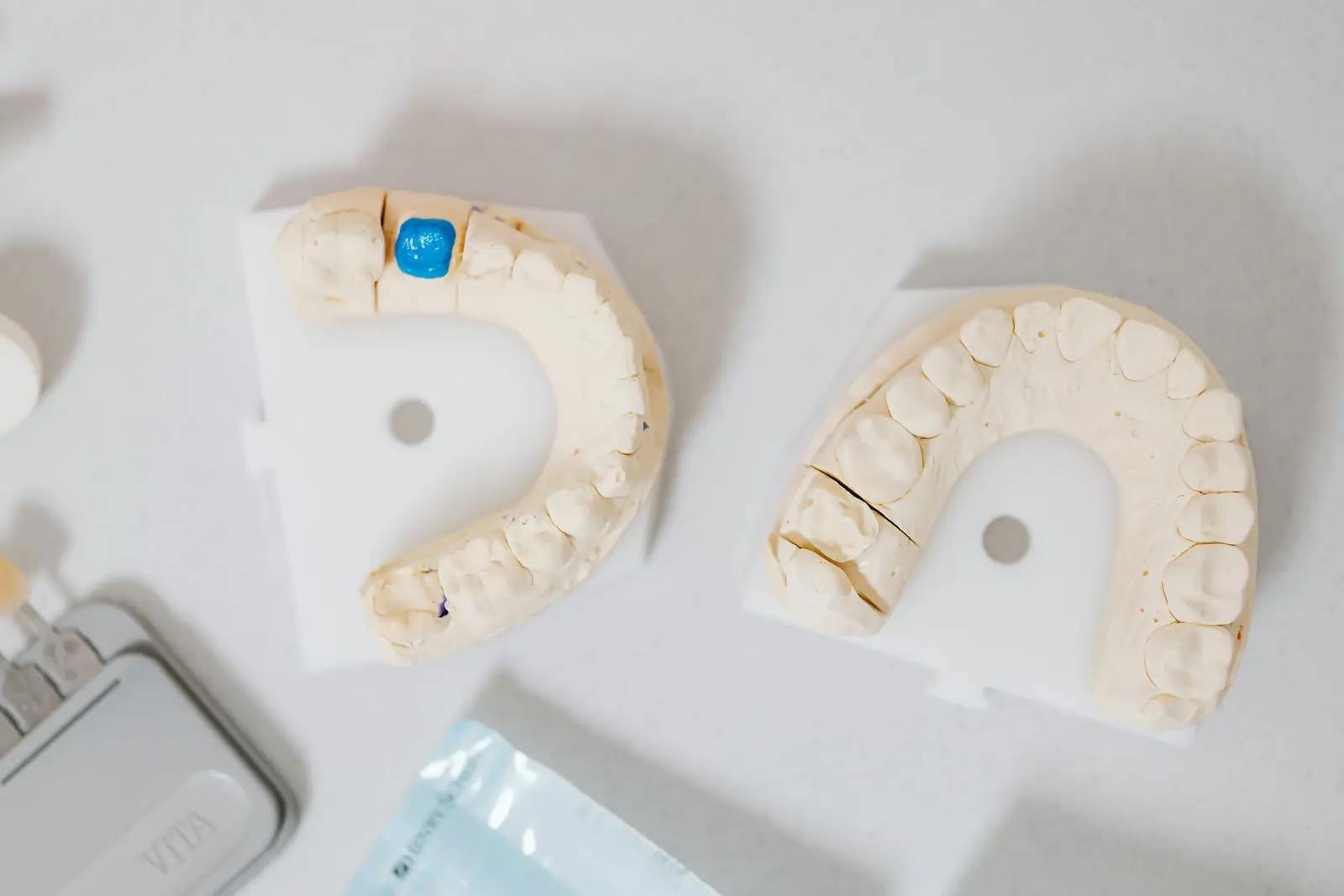
Dental Crowns and Bridges in Sainte-Julie
Restore strength, function, and beauty to your smile with our custom dental restoration solutions
At AM Denturologiste in Sainte-Julie, we offer dental crowns and bridges designed with precision to replace your missing or damaged teeth. Our experienced team uses high-quality materials and modern techniques to guarantee an aesthetic, durable, and comfortable result.
WHAT IS A DENTAL CROWN?
The Dental Crown: Protect and Restore Your Damaged Teeth
A dental crown is a fixed restoration that completely covers a damaged tooth, restoring its shape, strength, and natural appearance. Like a protective cap that fits perfectly over your natural tooth, the crown is made in a laboratory according to precise measurements.
Situations that require a crown:
- A tooth weakened by significant decay
- Protecting a tooth after a root canal
- Restoring a broken or cracked tooth
- Cosmetic improvement of a discoloured or misshapen tooth
- Anchoring a dental bridge
- Covering a dental implant
Types of crowns available:
Ceramic (porcelain) crown:
- Superior aesthetics, ideal for visible teeth
- Colour perfectly matched to your natural teeth
- Biocompatible and durable (10-15 years with good care)
Zirconia crown:
- Exceptional strength
- Natural appearance
- Excellent longevity
Porcelain-fused-to-metal crown:
- Very strong for molars
- Great value for money
- Proven durability
WHAT IS A DENTAL BRIDGE?
The Dental Bridge: Filling the Gap Left by Missing Teeth
A dental bridge (or fixed dental prosthesis) is a permanent solution for replacing one or more missing teeth. A bridge is made up of two main parts:
The pontic: The artificial tooth or teeth that fill the empty space
The abutment teeth: The crowns on each side that anchor the bridge and are attached to the adjacent natural teeth or to dental implants
Why replace a missing tooth?
Failing to replace a missing tooth can lead to:
- Shifting of the adjacent teeth
- Progressive bone loss in the jaw
- Difficulty chewing and digestive problems
- Impaired speech
- Changes to your facial appearance
- Increased risk of oral infections
Types of dental bridges:
Traditional bridge: The most common type, held in place by crowns on the adjacent teeth. Strong and durable.
Maryland bridge: A more conservative option, bonded with metal wings. Ideal for front teeth.
Implant-supported bridge: A premium solution anchored to dental implants rather than to natural teeth. Preserves the adjacent teeth.
Cantilever bridge: Anchored on one side only, used when there is just one adjacent tooth available.
THE PLACEMENT PROCESS
How Are Crowns and Bridges Placed in Sainte-Julie?
Initial consultation (Free):
- A complete examination of your mouth
- An assessment of your specific needs
- A discussion of your treatment options
- Creation of a personalized plan
First appointment:
- Careful preparation of the tooth/teeth
- Precise digital or traditional impressions
- Placement of a temporary crown or bridge
- Fabrication in the laboratory (7-14 days)
Second appointment:
- Removal of the temporary restoration
- Try-in and adjustment of the permanent crown/bridge
- Checking your occlusion (bite)
- Final cementation
Number of appointments: Generally 2 to 3 visits, spaced 1 to 2 weeks apart
Treatment duration: The complete process usually spans 2 to 4 weeks
BENEFITS OF CROWNS AND BRIDGES
Why Choose Dental Crowns and Bridges?
Functional benefits:
- Complete restoration of chewing function
- Improved speech
- Protection of weakened teeth
- Prevention of future dental problems
- A fixed, permanent solution (no removable maintenance)
Aesthetic benefits:
- A natural, harmonious appearance
- A complete, confident smile
- Colour perfectly matched to your teeth
- Correction of visible flaws
Durability and comfort:
- An average lifespan of 10 to 20 years
- A natural feel in the mouth
- No risk of shifting
- Simple care, just like your natural teeth
CARE AND LIFESPAN
How to Extend the Lifespan of Your Crowns and Bridges?
Average lifespan: With proper care, your crowns and bridges can last:
- Crowns: 10 to 20 years, or even longer
- Bridges: 10 to 20 years, or even longer
Essential care tips:
Daily hygiene:
- Brushing 2 to 3 times a day with a soft toothbrush
- Using dental floss or interdental brushes daily
- Thorough cleaning around the crowns and under the bridges
- Rinsing with an antibacterial mouthwash
Good habits to adopt:
- Regular check-up visits with your denturist (every 6 months)
- An annual professional cleaning
- Avoiding biting into very hard foods (ice, hard candy)
- Wearing a protective night guard if you grind your teeth (bruxism)
- Limiting your consumption of sugary and acidic foods
Warning signs to watch for:
- Unusual sensitivity to heat or cold
- Pain when chewing
- A crown or bridge that moves
- Inflammation or bleeding of the gums
- Persistent bad breath
If you notice any of these signs, contact us immediately.
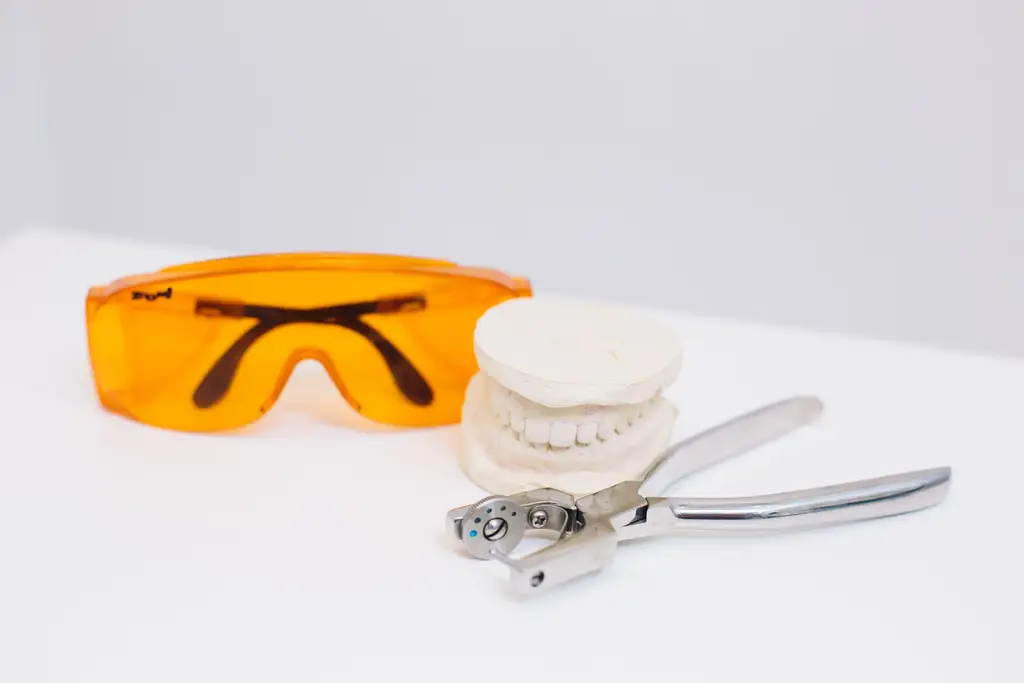
WHY CHOOSE AM DENTUROLOGISTE?
Recognized local expertise:
A qualified team that listens to your needs
Ongoing training on the latest techniques
Cutting-edge technology:
Superior-quality, biocompatible materials
Precise fabrication in a certified laboratory
Modern equipment and rigorous sterilization
Personalized approach:
A treatment plan tailored to your situation
Clear explanations at every step
Attentive follow-up after placement
Exceptional service:
Flexible hours for your convenience
Acceptance of major dental insurance plans
Financing options available
Convenient location in Sainte-Julie
Frequently Asked Questions
Is getting a crown or bridge painful?
No, the procedure is generally performed under local anesthesia. You will not feel any pain during treatment. Mild discomfort or sensitivity may occur afterward, but it disappears quickly with mild painkillers if needed.
How long does the complete process take?
The process generally takes 2 to 4 weeks, spread over 2 to 3 appointments. The first appointment is for preparation and impressions, followed by the final placement once the restoration is made in the laboratory.
Can I eat normally with a crown or bridge?
Yes! Once the initial adjustment period is over (a few days), you will be able to eat normally. Crowns and bridges are designed to withstand chewing forces just like your natural teeth.
Does my dental insurance cover these treatments?
Most dental insurance plans partially cover crowns and bridges, generally between 50% and 80% of the cost. We will help you understand your coverage and submit your claims.
What is the difference between a crown and a dental veneer?
A crown completely covers the tooth and provides full protection, whereas a veneer only covers the visible (front) surface of the tooth. Crowns are recommended for damaged or weakened teeth, while veneers are for purely cosmetic improvements.
Can a crown or bridge be whitened?
No, the materials used for crowns and bridges do not react to whitening products. That is why we match the colour of your restorations to your natural teeth before they are made. If you want to whiten your teeth, it is best to do so before placement.
What happens if my crown comes loose or breaks?
Contact us immediately. Keep the crown if possible and avoid chewing on that side. In most cases, we can re-cement or repair the crown quickly.
Do crowns and bridges look natural?
Absolutely! With modern ceramic and zirconia materials, your restorations are virtually indistinguishable from your natural teeth in terms of colour, shape, and translucency.