
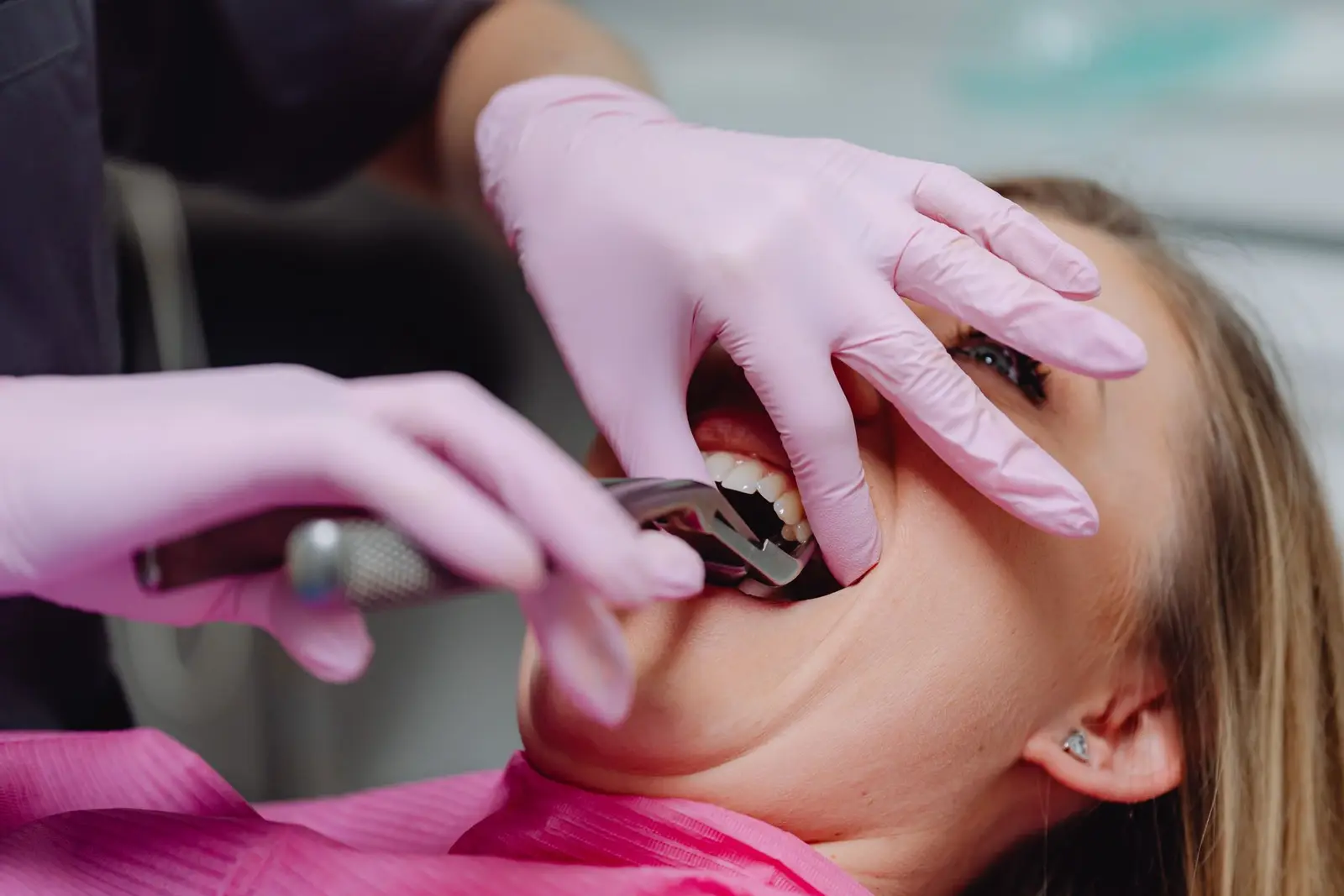
Tooth Extraction in Sainte-Julie
Safe and Pain-Free Procedure on the South Shore
Do you need an urgent or planned tooth extraction in Sainte-Julie? Our denturology clinic offers professional tooth extraction services with a gentle and personalized approach. Whether it is for a damaged tooth, an infected tooth, or a problematic wisdom tooth, we are here to support you at every step.
Why Choose Our Clinic for Your Tooth Extraction?
Undergoing a tooth extraction can cause anxiety, but with our experienced team in Sainte-Julie, you are in good hands. We understand your concerns about pain, cost and recovery time, which is why we offer a reassuring experience from start to finish.
Our approach stands out through the use of modern local anesthesia techniques that ensure your total comfort during the procedure. Each extraction is preceded by a complete radiographic assessment to plan the procedure with precision and minimize complications. Our denturist has in-depth expertise in both simple extractions and more complex cases requiring a surgical approach.
What Is a Tooth Extraction?
A tooth extraction consists of removing a tooth from its bony socket when it can no longer be saved or poses a risk to your oral health. This intervention becomes necessary in several situations: deep decay that has destroyed the structure of the tooth, a severe infection that does not respond to root canal treatment, a significant tooth fracture, or impacted wisdom teeth that cause problems.
There are two main types of tooth extractions. A simple extraction is performed on teeth that are visible and accessible in the mouth. The dentist uses specialized instruments to gently mobilize the tooth before removing it. This procedure is generally quick and is performed under local anesthesia. A surgical extraction, on the other hand, concerns teeth that are partially or completely impacted in the bone, such as certain wisdom teeth. This more complex intervention may require a small incision in the gum and sometimes the removal of a portion of the bone surrounding the tooth.
When Should a Tooth Extraction Be Considered?
Several signs indicate that a tooth extraction may be necessary. Persistent tooth pain that does not subside despite conservative treatments may signal a serious problem requiring extraction. If you notice significant swelling of the gum or cheek accompanied by tenderness to the touch, this may indicate an advanced infection.
Wisdom teeth frequently cause problems when they do not have enough space to erupt normally. They may grow in sideways, remain partially impacted in the gum, or create pockets where bacteria accumulate. In these cases, preventive extraction is often recommended to avoid future complications such as recurring infections, damage to adjacent teeth, or cysts.
A severely cracked or fractured tooth following trauma may also require extraction if the fracture extends below the gum line. Similarly, advanced periodontal disease that has caused significant bone loss around the tooth may render it too loose to be preserved. As part of orthodontic treatment, certain teeth may be strategically extracted to create the space needed to realign the other teeth.
How Does a Tooth Extraction Proceed?
Before the procedure, we perform a complete examination including X-rays to assess the position of the tooth, the shape of its roots and the density of the surrounding bone. This meticulous planning allows us to anticipate potential challenges and prepare an extraction strategy adapted to your situation. We also discuss your medical history, allergies and concerns to ensure your maximum safety.
On the day of the extraction, local anesthesia is administered to completely numb the area. You will not feel any pain during the procedure, only slight pressure during movements. For a simple extraction, we use specialized instruments called elevators and forceps to progressively mobilize the tooth and free it from its socket. The entire procedure generally lasts between 15 and 30 minutes.
For a more complex surgical extraction, a small incision in the gum may be necessary to access the tooth. In some cases, we must remove a small amount of bone surrounding the tooth or section the tooth into several pieces to facilitate its removal. This approach makes the extraction gentler and reduces trauma to the surrounding tissues. After the tooth is removed, we carefully clean the socket and, if necessary, place a few resorbable sutures that will dissolve on their own within one to two weeks.
Recovery and Postoperative Care
The first 24 hours are crucial for promoting optimal healing. After the extraction, a blood clot forms naturally in the tooth socket, playing an essential role in the healing process. It is therefore imperative to protect this clot by avoiding spitting, vigorously rinsing your mouth, or using a straw to drink. These actions create suction that could dislodge the clot and cause a painful complication called dry socket.
Gently bite on the gauze compress we will provide for 30 to 45 minutes to control initial bleeding. Slight bleeding or oozing may persist during the first 24 hours, which is completely normal. If bleeding becomes heavy, place a new clean gauze compress on the extraction site and maintain firm pressure for 30 minutes. Apply an ice pack to your cheek in 15-minute intervals to reduce swelling and discomfort.
Recommended diet: Favour a liquid and cold diet during the first 24 to 48 hours. Smoothies, lukewarm soups (not hot), yogurt, applesauce and purées are excellent choices. Avoid hard, crunchy or sticky foods that could irritate the extraction site. Gradually reintroduce solid foods as your comfort allows, chewing on the side opposite the extraction.
Pain management: Some discomfort is normal after a tooth extraction. We will prescribe or recommend appropriate pain relievers to control the pain. Most patients find that discomfort decreases considerably after the first 2 to 3 days. Ibuprofen (Advil) is particularly effective as it reduces both pain and inflammation. Take your medications as directed and before the pain becomes too intense.
Starting on the second day, you can begin gentle salt water rinses (half a teaspoon of salt in a glass of water) after each meal. These rinses help keep the area clean and promote healing. Brush your teeth gently while avoiding the extraction site, but maintain good oral hygiene for the rest of your mouth.
Warning signs to watch for: Contact us immediately if you develop a fever above 38°C, swelling that worsens after 3 days, severe pain that does not respond to medication, or heavy bleeding that does not stop despite pressure. These symptoms could indicate an infection or complication requiring professional attention.
Healing Time and Recovery
Healing after a tooth extraction occurs in several stages. The gum generally closes within 7 to 10 days, during which time you will notice a progressive improvement in your comfort. The initial blood clot will be replaced by pink granulation tissue, which will then evolve into normal gingival mucosa.
Healing of the underlying bone takes much longer, typically requiring 3 to 6 months to complete. During this period, the socket gradually fills with new bone. This bone remodelling phase is important to consider if you are planning a dental implant to replace the extracted tooth. In most cases, we recommend waiting a few months before placing the implant to allow for optimal bone healing.
Certain factors can influence healing speed. Smoking significantly slows healing and increases the risk of complications. If you smoke, we strongly recommend stopping at least 48 hours before the extraction and abstaining for at least one week after. Uncontrolled diabetes, certain medications such as corticosteroids, and advanced age can also prolong recovery time.
Replacement Options After Extraction
After a tooth extraction, especially if it involves a molar or a visible tooth, it is important to consider replacement options to preserve your chewing function and esthetics. The absence of a tooth can lead to several long-term problems: adjacent teeth may shift into the empty space, the opposing tooth may drift (supraeruption phenomenon), and the jawbone may progressively resorb due to lack of stimulation.
Dental implants represent the most durable solution and the closest to a natural tooth. An implant is a titanium screw surgically inserted into the jawbone, onto which a crown is then attached. This option preserves the bone, does not require modifying adjacent teeth, and offers exceptional stability. The complete process generally spans several months to allow for osseointegration of the implant.
Fixed dental bridges are an alternative where the teeth on each side of the gap are prepared to receive crowns that support a central artificial tooth. This solution is generally less costly than an implant and can be completed more quickly, but it requires filing down healthy adjacent teeth.
Removable partial dentures are a more economical option that can replace one or more missing teeth. Our denturology clinic specializes in manufacturing high-quality, comfortable and esthetic dentures. These dentures attach to your remaining natural teeth and can be easily removed for cleaning.
Dental Emergency Service in Sainte-Julie
Dental emergencies never happen at a convenient time. Intense pain, dental trauma or a sudden infection requires immediate attention. Our clinic understands the urgency of these situations and strives to accommodate you quickly.
We reserve time slots each day specifically for dental emergency cases. If you are facing an urgent situation requiring a tooth extraction, call us as soon as possible. Our team will assess the severity of your case and offer you an appointment the same day or the next day in most situations.
Signs indicating a dental emergency requiring immediate extraction include: severe and persistent tooth pain that does not respond to over-the-counter pain relievers, significant swelling of the face or neck (which could indicate a spreading infection), fever accompanied by tooth pain, uncontrollable bleeding following trauma, or a severely broken tooth exposing the nerve.
Why South Shore Patients Choose Us
Our denturology clinic attracts patients from Sainte-Julie, Saint-Bruno-de-Montarville, Boucherville, Varennes, Longueuil and the entire South Shore. This trust stems from our commitment to excellence in every aspect of our services.
Our denturist's expertise is reflected in the technical precision of each extraction and the attentive management of your comfort. We use modern anesthesia protocols that ensure a completely pain-free procedure. Our gentle and methodical approach minimizes trauma to surrounding tissues, resulting in faster recovery and fewer postoperative complications.
The modern equipment we have allows us to perform tooth extractions with maximum precision. Our digital radiography provides high-resolution images for optimal surgical planning while reducing radiation exposure by 80% compared to traditional X-rays. Our state-of-the-art surgical instruments allow us to perform complex extractions with increased efficiency and gentleness.
Respecting your time is a priority. We understand that your schedule is busy, which is why we offer flexible hours including evenings and some Saturdays. Wait times are minimal, and we scrupulously respect appointment times. For a simple tooth extraction, plan on approximately 30 to 45 minutes from the start to the end of your visit.
Our clinic environment was designed to reduce the anxiety often associated with dental care. Our comfortable waiting room and warm staff create a welcoming atmosphere from the moment you arrive. During the procedure, we take the time to explain each step and regularly check your comfort level.
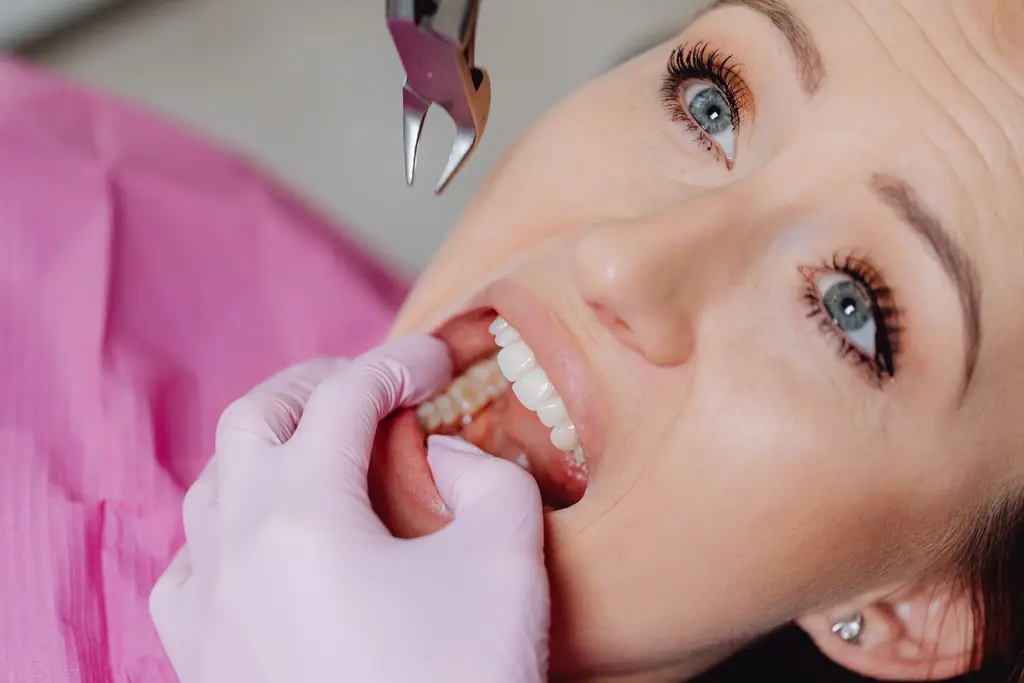
Frequently Asked Questions
Does a tooth extraction hurt?
No, you will not feel any pain during the extraction thanks to local anesthesia. You may feel slight pressure during movements, but no sharp pain. After the procedure, some discomfort is normal for 2 to 3 days, easily managed with prescribed or over-the-counter pain relievers.
How long does a tooth extraction take?
A simple extraction generally lasts 15 to 30 minutes. A more complex surgical extraction may take 45 minutes to an hour. These durations include the time needed for anesthesia and postoperative instructions.
Can I return to work after a tooth extraction?
For a simple extraction, most patients can resume their normal activities the next day. If you have a physically demanding job or a complex surgical extraction, we recommend 2 to 3 days of rest. Schedule your extraction at the end of the week if possible to have the weekend to recover.
When can I eat normally after an extraction?
Wait until the numbness has completely worn off before eating to avoid biting yourself. Favour a liquid and soft diet during the first 24 to 48 hours. You can gradually reintroduce solid foods as your comfort allows, generally after 3 to 5 days.
Will the hole left by the extraction close up?
Yes, the socket fills naturally over time. The gum closes within 7 to 10 days, creating a smooth surface. The underlying bone continues to fill in and remodel over 3 to 6 months. During initial healing, food debris may lodge in the socket; rinse gently with salt water after meals to keep the area clean.
Can I smoke after a tooth extraction?
Absolutely not. Smoking is one of the main causes of complications after an extraction. The suction created when inhaling can dislodge the protective blood clot, causing an extremely painful dry socket. In addition, the chemicals in tobacco slow healing and considerably increase the risk of infection. Avoid smoking for at least 72 hours, ideally one week.