
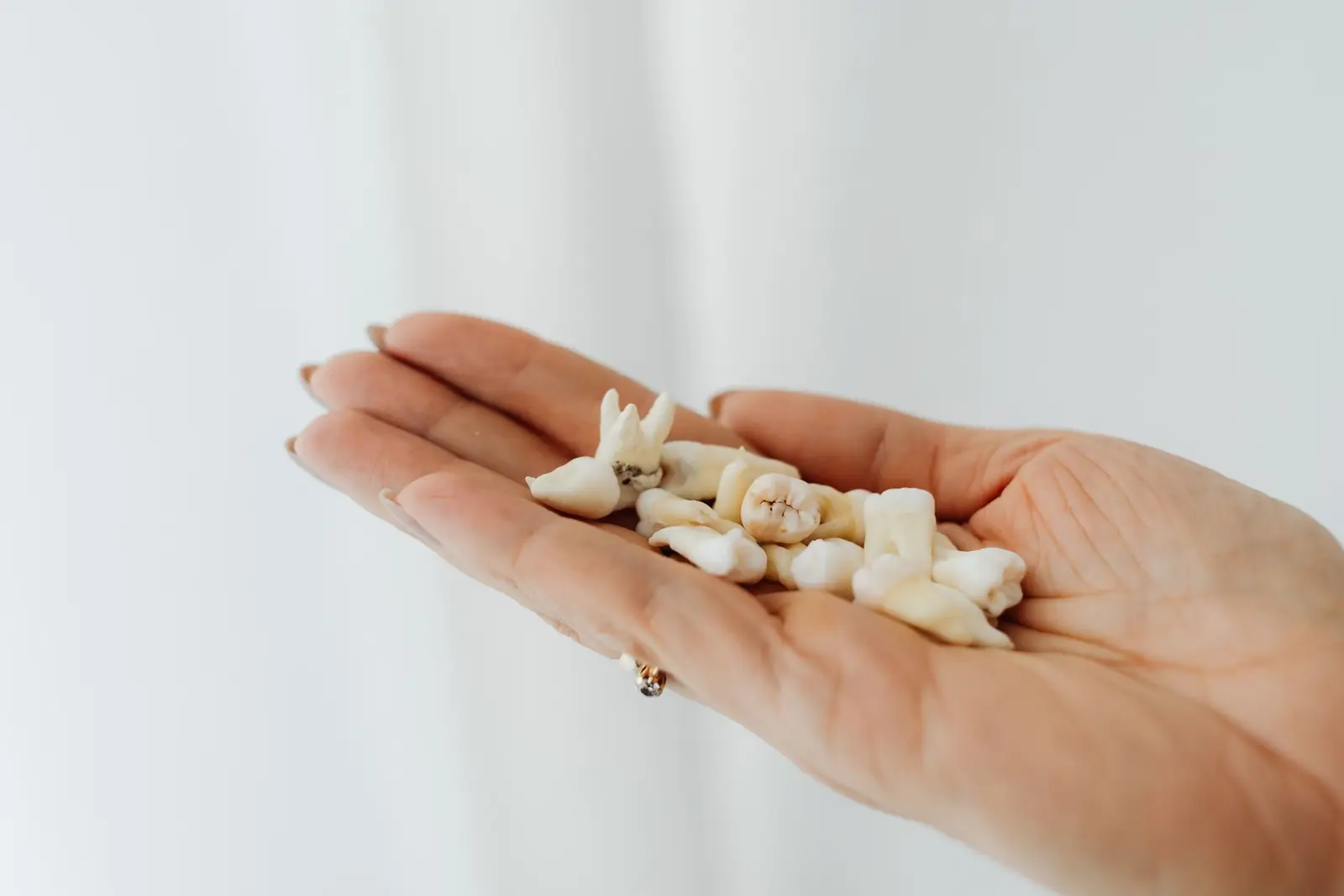
Wisdom Teeth Extraction in Sainte-Julie
Professional Procedure with Optimal Comfort
Wisdom teeth extraction is one of the most common dental procedures in Quebec. At AM Denturologiste, our experienced team in Sainte-Julie performs this surgery with precision and complete comfort. Whether your wisdom teeth are impacted, semi-impacted or fully erupted, we offer solutions adapted to your situation to prevent future complications.
Why Have Your Wisdom Teeth Extracted?
Wisdom teeth, also called third molars, generally appear between the ages of 17 and 25. However, most modern jaws do not have enough space to accommodate these four additional teeth. That is why preventive extraction is often recommended by dental professionals in Quebec.
Main reasons for extraction:
Lack of space – When the jaw does not offer enough room, wisdom teeth grow in sideways and exert pressure on adjacent molars. This situation can cause tooth crowding and shift the alignment of your entire dentition, compromising years of orthodontic treatment.
Impacted or semi-impacted teeth – Wisdom teeth that remain partially or completely buried under the gum create bacterial pockets that are difficult to clean. These areas become chronic infection sites, potentially leading to painful abscesses, cheek swelling and even serious infections requiring hospitalization.
Recurring infections (pericoronitis) – The partial eruption of a wisdom tooth leaves a space between the gum and the tooth where bacteria accumulate. This condition called pericoronitis causes painful inflammation, significant swelling, difficulty opening the mouth and sometimes fever.
Cysts and root damage – An impacted wisdom tooth can develop a cyst around its crown, damaging the jawbone and the roots of neighbouring teeth. In some cases, these cysts can compromise bone structure and require complex reconstructive surgery.
Persistent pain and discomfort – The pressure exerted by a poorly positioned wisdom tooth causes headaches, jaw pain, difficulty chewing and tooth sensitivity. These symptoms intensify over time and significantly affect your daily quality of life.
Before orthodontic treatment – Orthodontists frequently recommend the extraction of wisdom teeth before starting treatment with braces or Invisalign. This preventive approach prevents wisdom teeth from erupting during treatment and compromising the results obtained.
How Does Wisdom Teeth Extraction Proceed?
At AM Denturologiste in Sainte-Julie, we favour a transparent and reassuring approach for every patient. Here are the detailed steps of the procedure.
1. Consultation and Initial Assessment
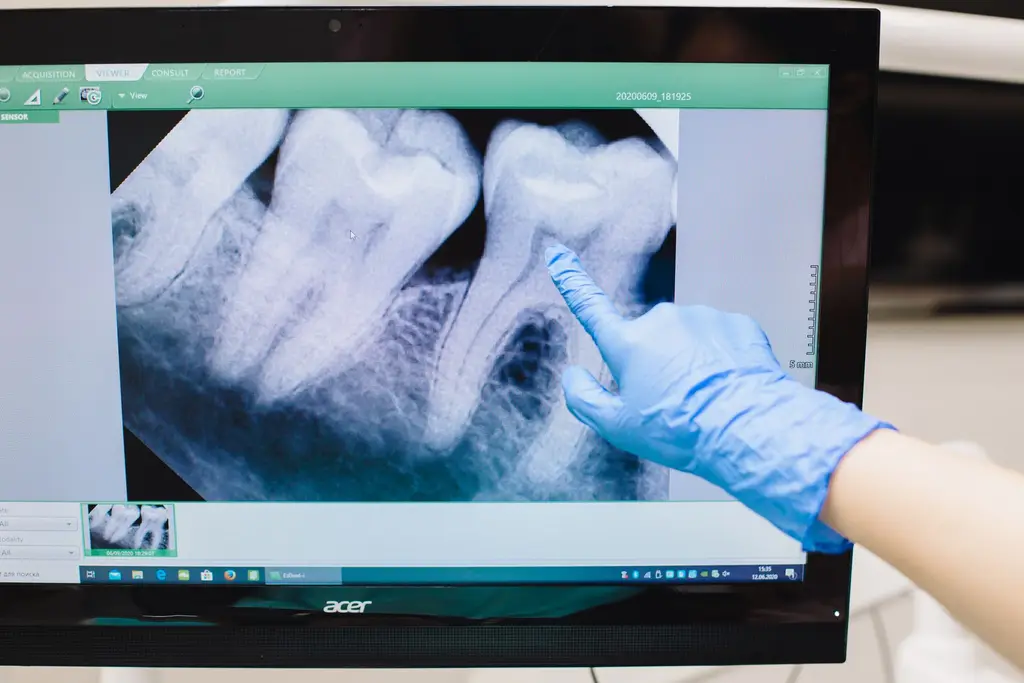
Before any intervention, we perform a complete examination with panoramic radiography to visualize the exact position of your wisdom teeth. This imaging allows us to assess the eruption angle, proximity to nerves, depth of impaction and plan the safest and most effective surgical approach.
2. Choice of Anesthesia
We offer several anesthesia options depending on your level of anxiety and the complexity of the case. Local anesthesia completely numbs the treated area while keeping you conscious and relaxed. For more anxious patients or complex cases requiring the extraction of multiple teeth, we can refer you to clinics offering intravenous sedation or general anesthesia.
3. Surgical Procedure
For a visible tooth, a simple extraction consists of gently widening the tooth socket and removing the tooth in a few minutes. For an impacted or semi-impacted tooth, we make a small incision in the gum, remove the bone covering the tooth if necessary, and extract the tooth completely or in sections to minimize trauma to surrounding tissues.
4. Sutures and Closure
Resorbable sutures close the incisions to promote optimal healing. These sutures dissolve naturally within 7 to 10 days without requiring removal. We place gauze compresses on the extraction sites that you must bite firmly on for 30 to 45 minutes to stop bleeding and promote the formation of the protective blood clot.
5. Duration of the Procedure
The extraction of a single simple wisdom tooth generally takes 15 to 20 minutes. For all four wisdom teeth including complex cases, plan on 45 minutes to 1 hour and 30 minutes depending on difficulty. We work efficiently while taking the time needed to ensure your comfort and the quality of the result.
Recovery After Extraction: What to Expect
The recovery period varies depending on the number of teeth extracted and the complexity of your case. Here is a detailed guide to optimize your healing.
The First 24 to 72 Hours
Pain management – Slight discomfort is normal after the procedure. We prescribe appropriate pain relievers (ibuprofen, acetaminophen or a combination) to be taken on a regular schedule, not only when pain appears. This preventive approach maintains a constant level of analgesia and considerably improves your comfort.
Swelling – Facial swelling generally reaches its maximum 48 to 72 hours after surgery. Apply ice packs wrapped in a cloth to the cheek for 15 minutes every hour during the first 48 hours. This early and regular application significantly reduces swelling and discomfort.
Bleeding – Slight oozing of blood mixed with saliva is completely normal for 24 to 48 hours. Bite firmly on gauze compresses for 30 to 45 minutes. If bleeding persists, place a moist tea bag (tannic acid promotes clotting) on the area and maintain pressure for an additional 30 minutes.
Diet – Favour exclusively liquid and cold foods during the first 48 hours. Cold soups, protein smoothies, yogurt, fruit compotes, creamy purées and ice cream are ideal. These foods reduce inflammation while providing necessary nutrients. Absolutely avoid drinks with a straw as suction can dislodge the blood clot and cause dry socket.
Rest and activity – Rest completely on the day of the procedure. Keep your head elevated with two pillows to reduce swelling. Avoid any intense physical activity, lifting efforts and heat exposure for at least 3 to 5 days depending on your case.
Days 3 to 7: Progressive Improvement
Pain decreases significantly and swelling begins to subside. You can now introduce lukewarm and soft foods such as scrambled eggs, cooked fish, well-cooked pasta, vegetable purées, soft rice and crustless bread. Continue to avoid hard, crunchy, spicy foods or those requiring vigorous chewing.
Gently resume brushing your teeth while avoiding the surgical sites. Rinse your mouth gently with lukewarm salt water (half a teaspoon of salt in 250 ml of water) after each meal to maintain hygiene without disrupting healing.
After 7 to 10 Days: Gradual Return to Normal
Most patients can resume a normal diet around day 10 to 14, gradually reintroducing firmer foods. Complete healing of soft tissues takes approximately 3 to 4 weeks, while the underlying bone continues to regenerate over several months.
Possible Complications and When to Seek Care
Although rare, certain complications require immediate attention.
Dry socket (socket infection) – This complication occurs in 2 to 5% of cases when the blood clot dislodges prematurely. Symptoms include intense pain appearing 3 to 5 days after extraction, persistent bad breath and an unpleasant taste. Treatment consists of cleaning the socket and placing a medicated dressing.
Infection – Signs of infection include a fever above 38.5°C, swelling that worsens after the 3rd day, throbbing pain, purulent discharge or a persistent foul odour. Antibiotics will be prescribed immediately.
Heavy bleeding – Continuous bleeding that fills the mouth with fresh blood after 6 to 8 hours requires an emergency consultation. This may indicate a clotting problem or an uncauterized blood vessel.
Paresthesia (prolonged numbness) – In rare cases, a lower wisdom tooth close to the alveolar nerve can cause temporary numbness of the lip, chin or tongue. This sensation generally disappears within a few weeks to a few months in 95% of cases.
Why Choose Our Clinic for Your Dental Surgery?
Recognized Expertise
Modern Technology
Pain Management Protocol
Personalized Follow-Up
Transparent Pricing
Bilingual Service
Frequently Asked Questions
Is wisdom teeth extraction painful?
The procedure itself is completely pain-free thanks to local anesthesia that completely numbs the area. You will feel pressure during the extraction but no sharp pain. Postoperative discomfort is well managed with prescribed pain relievers and reaches its maximum around the second day before decreasing progressively.
How long does complete recovery take?
Most patients resume their normal activities after 3 to 5 days. Initial discomfort decreases significantly within a week, but complete healing of soft tissues takes 3 to 4 weeks. Bone regeneration continues over several months but does not affect your daily quality of life.
Can I have all four teeth extracted at the same time?
Yes, simultaneous extraction of all four wisdom teeth is common and even recommended for several reasons. This approach requires only one recovery period, reduces overall costs and avoids reliving the anxiety of a second procedure. We evaluate each case individually to determine the best strategy.
When can I resume brushing my teeth?
You can resume gentle brushing of your other teeth as early as the next day, carefully avoiding the extraction sites during the first 3 days. Rinse gently with lukewarm salt water after meals. Starting on day 4, brush very gently around the surgical sites with a soft toothbrush.
Can I smoke after the extraction?
Smoking is strongly discouraged for at least 72 hours, ideally 7 to 10 days. Nicotine considerably reduces blood flow to gum tissues, slows healing and multiplies the risk of dry socket by 3 to 4. If you cannot abstain completely, reduce to a minimum and wait at least 48 hours.
What if I have an important event after the extraction?
Plan the procedure at least 7 to 10 days before any important event. Maximum swelling and discomfort occur during the first 3 days. After one week, most patients feel well enough to resume their normal social and professional activities.
When can I resume sports and exercise?
Avoid any intense physical activity for a minimum of 3 to 5 days. Increased blood pressure during exercise can cause bleeding and delay healing. Gradually resume your activities starting with light exercises (walking) before returning to your usual routine after 7 to 10 days.