
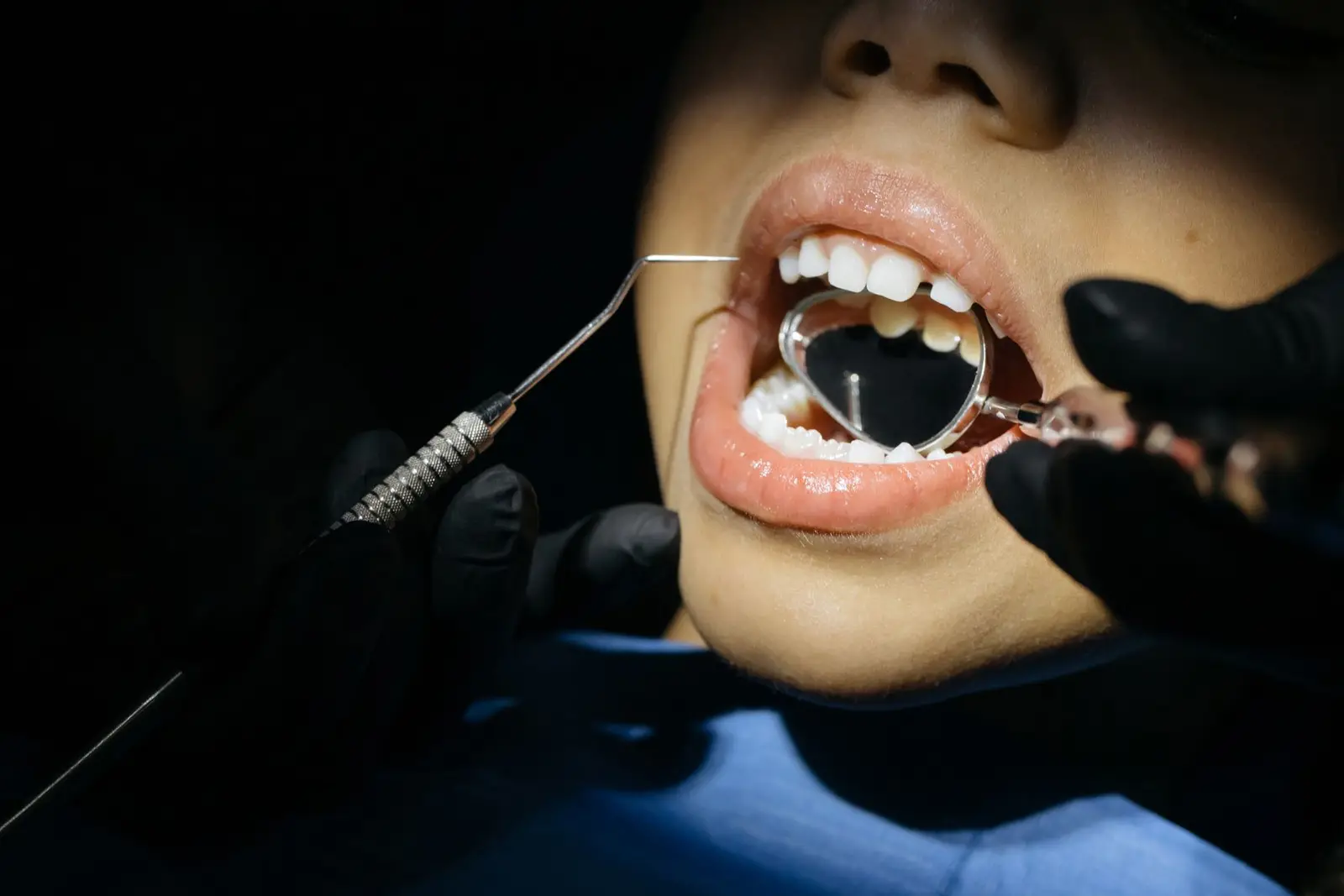
Cavity Treatment in Sainte-Julie: Expertise and Pain-Free Care
Your denturist in Sainte-Julie offers modern and comfortable solutions to treat your dental cavities. Quick consultation available.
What Is a Dental Cavity and How Is It Treated?
A dental cavity is an infection caused by bacteria present in dental plaque. When left untreated, a cavity can progress and cause significant pain, or even infection of the dental pulp.
At AM Denturologiste in Sainte-Julie, we understand your concern about cavities. Our experienced team uses modern and painless techniques to treat your dental cavities effectively, thereby preserving your oral health.
Located in the heart of Sainte-Julie, we also serve residents of Varennes, Saint-Bruno, Boucherville and the South Shore of Montreal.
Recognizing the Signs of a Cavity: The 4 Stages
Stage 1: Superficial Cavity (Enamel)
- Whitish or brownish spot on the tooth
- No pain at this stage
- Treatment: Remineralization with fluoride, fissure sealants
Stage 2: Dentin Cavity
- Sensitivity to hot, cold and sugar
- Small visible cavity
- Treatment: Dental filling (white or composite filling)
Stage 3: Pulp Infection
- Throbbing and persistent pain
- Increased sensitivity
- Treatment: Root canal treatment (endodontics)
Stage 4: Dental Abscess
- Intense pain
- Swelling of the gums or face
- Treatment: Urgent root canal treatment or extraction
Important: The earlier a cavity is detected, the simpler and more economical the treatment.
Modern Cavity Treatment Solutions in Sainte-Julie
Dental Filling
The most common treatment for superficial and moderate cavities.
What we offer:
- White esthetic composite: Invisible restoration, ideal for visible teeth
- Dental amalgam: Durable solution for posterior molars
- Painless procedure under local anesthesia
- Duration: 30 to 60 minutes depending on complexity
The process:
- Local anesthesia for your comfort
- Removal of decayed tissue
- Cleaning and disinfection of the cavity
- Placement of the filling
- Polishing and bite adjustment
Transparent pricing available during your free consultation
Inlays and Onlays
For moderate to large cavities.
When the cavity is too extensive for a simple filling but the tooth can still be saved, we recommend an inlay or onlay:
- Inlay: Internal restoration of the tooth
- Onlay: Covers one or more cusps
- Materials: High-quality ceramic or composite
- Exceptional durability: 10 to 15 years on average
Root Canal Treatment (Endodontics)
When the cavity reaches the dental pulp.
Our denturist works with qualified endodontists to:
- Save your natural tooth
- Eliminate infection and pain
- Place a protective crown after treatment
Dental Crown
Complete protection of a tooth weakened by extensive decay.
- Restores shape, function and esthetics
- Materials: Ceramic, zirconia, porcelain
- Natural appearance perfectly adapted to your smile
Cavity Prevention
How to Prevent Dental Cavities?
Our Expert Advice:
- Brushing: Twice a day for 2 minutes with fluoride toothpaste
- Flossing: Daily to remove interdental plaque
- Diet: Limit sugars and acidic beverages
- Regular visits: Exam and cleaning every 6-12 months
- Fissure sealants: Preventive protection for molars
Did you know? A cavity detected early costs 3 to 5 times less to treat than an advanced cavity requiring a root canal and crown.

Why Choose AM Denturologiste?
Professional Expertise
Ongoing training in modern techniques
State-of-the-art equipment
Comfortable Care
Effective anesthesia for pain-free treatment
Dental anxiety management
Fast Service
Quick relief of dental pain
Treatment completed in a single visit (depending on the case)
Transparent Pricing
Flexible payment plans
Dental insurance accepted
Frequently Asked Questions
Is cavity treatment painful?
No. Thanks to modern local anesthesia, treatment is completely painless. You may feel slight sensitivity after treatment, which disappears quickly.
How long does a filling last?
A well-done filling can last between 7 and 15 years, depending on the material and your oral hygiene.
Can a cavity be treated without a drill?
For very superficial cavities, yes! We use silver diamine fluoride or remineralization techniques. However, most cavities require mechanical cleaning.
How quickly does a cavity worsen?
A cavity can progress over a few months to several years depending on your dental hygiene, diet and the location of the cavity. That is why regular exams are essential.
Can cavities return after treatment?
Under a well-sealed filling, no. However, a new cavity can form elsewhere on the same tooth or on other teeth without good hygiene.