
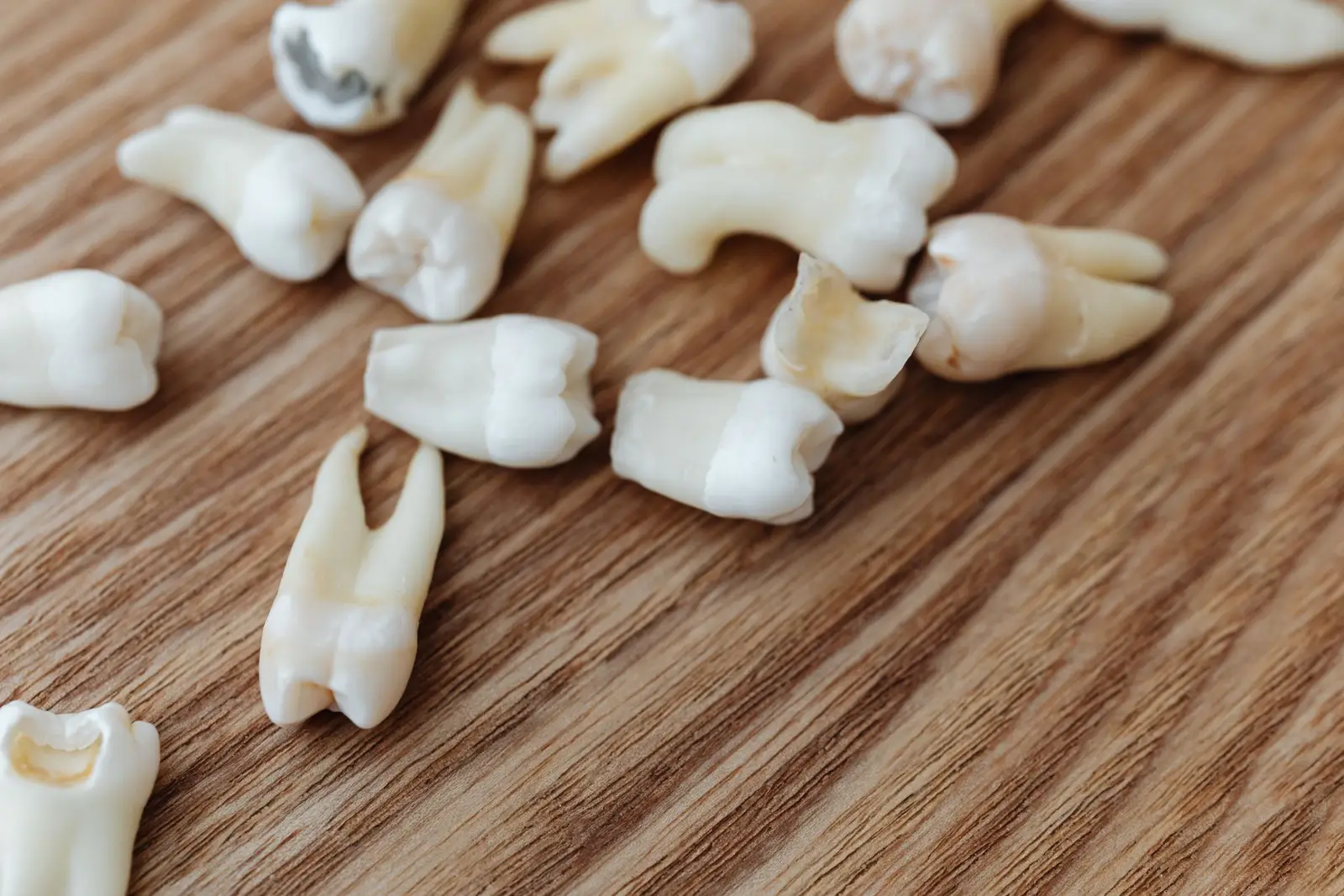
Dental Sealants in Sainte-Julie: Optimal Protection Against Cavities
Protect Your Smile and Your Children's
Dental sealants are a simple, quick and painless preventive solution that reduces the risk of cavities on molars and premolars by up to 80%. At AM Denturologiste in Sainte-Julie, we offer this preventive treatment for the whole family.
WHAT IS A DENTAL SEALANT?
A dental sealant is a thin protective resin layer that we apply to the chewing surface of your teeth. This invisible barrier seals the natural grooves and fissures of molars and premolars, preventing bacteria and food debris from accumulating there.
Imagine an impermeable protective layer that keeps your teeth safe from cavities, like an invisible shield that makes brushing easier and protects the most vulnerable areas of your teeth.
The 4 Main Benefits
1. Maximum Protection 80% reduction in cavity risk on treated surfaces. Studies show that children without sealants are 3 times more likely to develop cavities.
2. Quick and Painless Procedure Application in just 15-20 minutes, with no pain, no anesthesia and no drill. A comfortable treatment even for young children.
3. Proven Durability Effective protection for 5 to 10 years with regular follow-up. A long-term investment in your dental health.
4. Substantial Savings Prevent the high costs of cavity treatments, fillings and root canals. A sealant costs a fraction of the price of a repair.
WHO ARE DENTAL SEALANTS FOR?
For Children and Teens
The ideal time for protection
Dental sealants are particularly recommended as soon as the first permanent molars appear around age 6, and again for the second molars around age 12. At these critical ages:
- The enamel of new permanent teeth is more vulnerable
- Brushing habits are not yet optimal
- Deep grooves on molars are difficult to clean
- Cavity risk is at its highest
Protection during the school years
Sealants protect your children during their elementary and high school years, when sugary snacks and irregular brushing can compromise their dental health.
For Adults
Sealants are not just for children!
Adults also benefit from this protection in several situations:
- Teeth with particularly deep grooves that are difficult to clean
- History of frequent cavities despite good hygiene
- Prevention to protect remaining healthy teeth
- Difficulty accessing certain areas when brushing
- Increased tooth sensitivity in grooves
HOW IS THE APPLICATION DONE?
A Simple 5-Step Procedure
At AM Denturologiste in Sainte-Julie, sealant application is a quick, painless procedure completed in a single visit.
- Step 1: Professional Cleaning Deep cleaning of the tooth surface to remove all dental plaque, tartar or food debris. A clean surface ensures optimal adhesion.
- Step 2: Surface Preparation Application of a mild acid solution for a few seconds that makes the enamel surface slightly rough and microporous. This step greatly improves sealant adhesion.
- Step 3: Rinsing and Drying Complete rinsing of the tooth to remove the acid solution, followed by thorough drying. Absence of moisture is essential for treatment success.
- Step 4: Sealant Application The liquid sealant (composite resin) is applied precisely into the grooves and fissures of the tooth. The professional ensures all crevices are completely filled.
- Step 5: Curing Use of a curing light (special blue light) to harden the sealant in seconds. The material then becomes solid and durable.
Total duration: 15 to 20 minutes per tooth Pain: None Anesthesia: Not required Recovery: Immediate
You can eat and drink normally immediately after the treatment!
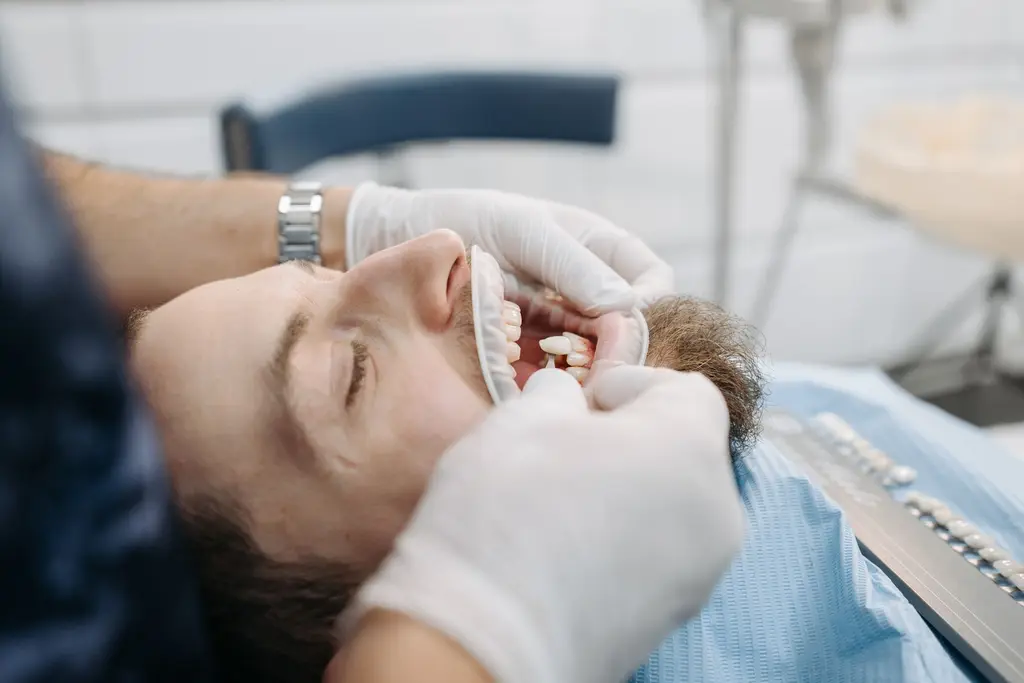
WHY CHOOSE AM DENTUROLOGISTE IN SAINTE-JULIE?
Local Expertise
Family-Oriented and Caring Approach
Modern Technology
Prevention Philosophy
Flexible Hours
Transparent Pricing
Frequently Asked Questions
Are dental sealants really effective?
Absolutely! Clinical studies show that sealants reduce the risk of cavities by 80% on treated surfaces. Children aged 6 to 11 without sealants are 3 times more likely to develop cavities on their molars. It is one of the most effective preventive measures in dentistry.
How long do dental sealants last?
With proper maintenance and regular exams, sealants can last between 5 and 10 years. We systematically check their condition during your routine visits and can easily reapply them if they show signs of wear. Some well-maintained sealants last even more than 10 years.
Does the application hurt?
No, dental sealant application is completely painless and requires no anesthesia. There is no drilling, no needle, no pain. It is one of the most comfortable dental treatments. Even young children tolerate this procedure very well.
Do I still need to brush my teeth with sealants?
Absolutely! Sealants only protect the chewing surfaces (the tops of the teeth). Regular brushing twice a day, flossing and regular dental visits remain essential to: protect the surfaces between teeth, prevent gum disease, and maintain optimal overall oral health.
At what age can my child get sealants?
Sealants can be applied as soon as the first permanent molars appear, generally around age 6. We also recommend sealing the second permanent molars around age 12. The earlier sealants are applied after tooth eruption, the better the protection.
Can sealants be applied to teeth that already have cavities?
No, sealants are a preventive treatment and must be applied to healthy teeth. If a tooth already has a cavity, it must first be treated with a filling. However, sealants can prevent new cavities on other surfaces of that same tooth.
Can sealants fall off?
Sealants are very durable, but they can sometimes partially detach or wear over time, especially if you grind your teeth or chew very hard foods. That is why we inspect them at every dental exam and can easily repair or reapply them as needed.
Do dental sealants contain BPA?
Modern dental sealants contain trace amounts of BPA that degrade quickly in saliva. The amount of BPA you are exposed to during sealant application is significantly lower than what you absorb daily through your diet. The benefits of cavity prevention far outweigh this minimal risk.