Dental Bruxism Treatment in Sainte-Julie
Stop teeth grinding with a custom occlusal splint
Does dental bruxism keep you from sleeping well? Do you wake up with headaches or jaw pain? Our Sainte-Julie clinic offers effective solutions to protect your teeth and relieve your discomfort. We proudly serve Sainte-Julie, Saint-Bruno, Boucherville, Varennes and the entire South Shore of Montreal.
What is dental bruxism?
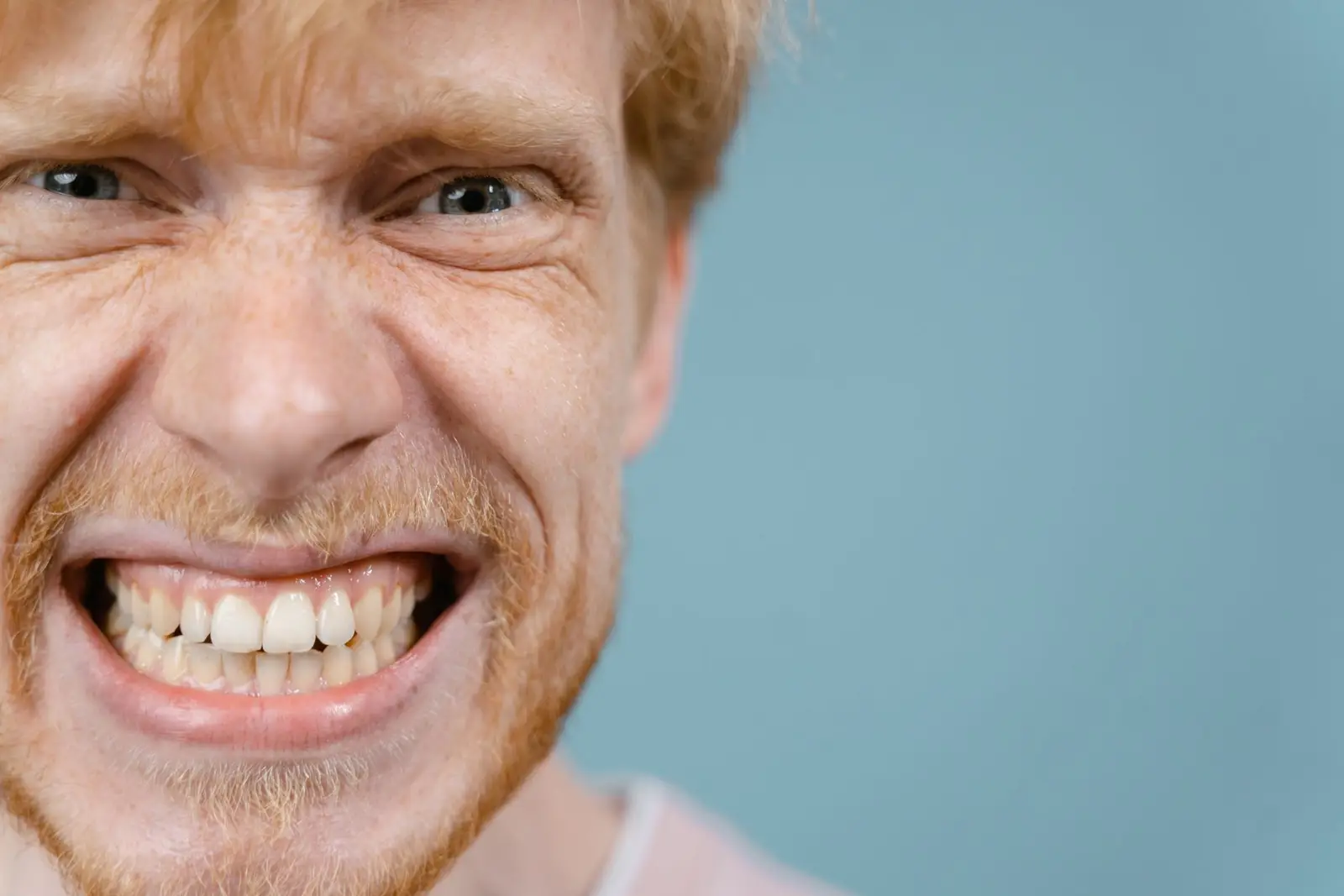
Dental bruxism is a condition characterized by involuntary grinding or clenching of the teeth, mainly during sleep. This parafunction can occur day or night, but nocturnal bruxism is the most common and most damaging. When you grind your teeth, excessive pressure is exerted on your jaws, reaching up to 10 times the normal chewing force.
This unconscious habit affects between 8% and 10% of the Quebec population, impacting both adults and children. Bruxism can go unnoticed for years until symptoms appear or your denturist notices abnormal tooth wear during a routine examination.
There are two main types of bruxism. Dynamic bruxism manifests as back-and-forth movements that cause the teeth to grind against each other, sometimes producing an audible sound. Static bruxism, on the other hand, is characterized by prolonged jaw clenching without apparent movement, but it is equally damaging to your teeth and temporomandibular joints.
Symptoms and signs of bruxism
Do you recognize these symptoms?
The manifestations of bruxism vary depending on the intensity and duration of the condition. The most common symptoms include morning headaches, particularly in the temples, caused by muscle tension accumulated during the night. You may also experience jaw pain or temporomandibular joint (TMJ) pain, a feeling of stiffness upon waking, or even difficulty opening your mouth fully.
Abnormal tooth wear is a key indicator of bruxism. Your teeth may become flattened, fractured or chipped. Enamel thins progressively, exposing the underlying dentin and increasing tooth sensitivity to hot and cold. This increased sensitivity can make drinking hot beverages or eating ice cream unpleasant.
Muscle pain is not limited to the jaw. You may feel tension in your neck and shoulders, as the muscles in these areas work in synergy with those used for chewing. Some people also report tinnitus (ringing in the ears) or a sensation of blocked ears related to the proximity of the temporomandibular joint to the ear canal.
Your bed partner may notice grinding sounds during your sleep, a telltale sign of nocturnal bruxism. You may also observe tooth impressions on your tongue or the inside of your cheeks, resulting from excessive jaw clenching.
Causes of dental bruxism
Bruxism generally results from a combination of physical, psychological and environmental factors. Stress and anxiety are among the most frequent triggers. Tension accumulated during the day often manifests as unconscious jaw clenching during sleep, your body attempting to release stress involuntarily.
Sleep disorders also play a significant role. Sleep apnea, insomnia and other sleep cycle disruptions are frequently associated with bruxism. Research suggests that micro-awakenings caused by these disorders can trigger episodes of teeth grinding.
Dental malocclusion, or poor alignment of the upper and lower teeth, can contribute to bruxism. When your occlusion is not ideal, your jaw instinctively tries to find a more comfortable position, which can translate into grinding. Poorly fitted fillings or ill-adapted dentures can create similar occlusal interferences.
Certain genetic factors come into play, as bruxism tends to run in some families. Lifestyle habits also influence this condition. Excessive consumption of caffeine, alcohol or tobacco can increase the frequency of bruxism episodes. Certain medications, particularly SSRIs, can have bruxism as a side effect.
In children, bruxism can occur during teething or be linked to growth periods. In most cases, this habit disappears spontaneously with age, but it deserves monitoring to avoid permanent damage.
Consequences of untreated bruxism
Ignoring bruxism can lead to serious and costly long-term complications. Premature enamel wear is the first visible consequence. Your teeth flatten progressively, losing their natural shape. This wear exposes the dentin, making your teeth vulnerable to cavities and significantly increasing their sensitivity.
Tooth fractures represent a major risk. Bruxism exerts such pressure on your teeth that they can crack or break, requiring complex restorative treatments such as crowns or implants. Existing fillings and crowns can also come loose or fracture under constant pressure.
Temporomandibular joint (TMJ) disorders are a frequent complication. Chronic bruxism can damage the joint cartilage, causing persistent pain, clicking and limited mouth opening. In severe cases, these disorders require costly specialized interventions.
The impact extends beyond your mouth. Chronic pain affecting the jaw, head, neck and shoulders can considerably diminish your quality of life. This pain can disrupt your sleep, creating a vicious cycle that worsens bruxism. Chronic fatigue resulting from non-restorative sleep affects your productivity and overall well-being.
Esthetically, bruxism can alter the appearance of your smile. Worn teeth appear shorter and less defined, prematurely aging your face. Gum recession can accompany tooth wear, exposing the roots and creating unattractive gaps between teeth.
Bruxism treatment: The occlusal splint
The most effective solution to protect your teeth
The occlusal splint, also called a dental night guard or nocturnal mouthguard, is the first-line treatment against bruxism. This custom oral appliance is generally worn at night to protect your teeth from grinding and clenching.
How does the occlusal splint work?
The occlusal splint acts as a protective barrier between your upper and lower teeth. It absorbs and redistributes chewing forces, thereby reducing excessive pressure on your teeth and temporomandibular joints. By maintaining your jaw in a slightly open and relaxed position, it helps relax the chewing muscles and prevents their excessive contraction.
The splint is made of durable medical-grade acrylic, designed to withstand the significant forces generated by bruxism. Unlike generic mouthguards sold in pharmacies, a custom occlusal splint fits your dentition perfectly, ensuring maximum comfort and effectiveness.
Benefits of the occlusal splint:
Immediate protection of your teeth is the main benefit. The splint absorbs wear in place of your natural teeth, thereby preserving your enamel. It quickly relieves jaw pain and headaches associated with bruxism, significantly improves sleep quality by reducing micro-awakenings caused by grinding, and prevents costly complications such as tooth fractures and TMJ disorders.
Although it does not cure bruxism, it effectively protects your teeth while you work on the underlying causes with your denturist or other health professionals.
The process of fabricating your occlusal splint
At AM Denturologiste in Sainte-Julie, we follow a rigorous protocol
Your first visit begins with a complete consultation during which we evaluate the condition of your dentition and the extent of your bruxism. We examine tooth wear, TMJ symptoms and discuss your sleep habits. This evaluation allows us to determine the type of occlusal splint best suited to your situation.
We then take precise dental impressions of your upper and lower arches. These impressions serve as the basis for creating an exact model of your mouth. We also record your occlusion to ensure the splint will allow optimal jaw alignment.
The splint is fabricated in our state-of-the-art laboratory. Our denturists meticulously shape the acrylic to create a splint that perfectly follows the contours of your teeth. Each splint is unique and personalized according to your oral anatomy.
At the fitting and adjustment appointment, we verify that the splint fits comfortably and maintains your jaw in the ideal therapeutic position. We make the necessary adjustments to eliminate any uncomfortable pressure points. You receive detailed instructions on the care and use of your splint.
Follow-up visits are scheduled to evaluate treatment effectiveness and adjust the splint if necessary. Over time, your splint may wear out and require replacement, generally after two to three years of regular use.
Other complementary approaches
Although the occlusal splint is the main treatment, other strategies can complement your bruxism treatment plan.
Stress management and relaxation
Since stress is a major triggering factor, learning to manage your stress can significantly reduce bruxism episodes. Relaxation techniques such as meditation, yoga or deep breathing can calm your nervous system. Cognitive behavioural therapy helps some people identify and modify anxious thought patterns.
Jaw massages before bedtime can relax the chewing muscles. Apply warm compresses to your cheeks to relieve muscle tension. Avoid stimulating activities and screens before sleeping to promote better quality sleep.
Dental corrections
If your bruxism stems from malocclusion, orthodontic treatments may be recommended. Aligning your teeth reduces occlusal interferences that trigger grinding. Replacing defective fillings or adjusting poorly fitted dentures can also resolve the problem.
Lifestyle modifications
Reducing your consumption of caffeine and alcohol, particularly in the evening, can decrease bruxism intensity. These substances disrupt sleep quality and increase muscle tension. Quitting smoking also improves your overall oral health and can reduce symptoms.
Establishing a regular sleep routine helps regulate your biological clock. Go to bed and wake up at consistent times, even on weekends. Create a sleep-friendly environment: a dark, cool and quiet bedroom.
Sleep apnea treatment
If your bruxism is linked to sleep apnea, treating this respiratory disorder can considerably improve bruxism. A CPAP device or mandibular advancement appliance may be prescribed by a sleep specialist.
Caring for your occlusal splint
To maximize the lifespan of your splint and maintain its effectiveness, follow these care recommendations.
Daily cleaning
Each morning, rinse your splint in cold or lukewarm water to remove saliva and debris. Brush it gently with a soft-bristled toothbrush and mild non-abrasive soap. Avoid regular toothpaste, which can scratch the acrylic surface. Rinse thoroughly and let it air dry.
Deep cleaning
Once or twice a week, clean your splint with a specialized dental appliance solution or a cleaning effervescent tablet. Soak according to product instructions, generally 15 to 30 minutes. This disinfection eliminates bacteria and prevents tartar buildup.
Proper storage
Always store your splint in its protective case when you are not wearing it. The case protects the splint from dust, physical damage and allows good air circulation for complete drying. Never leave your splint in a hot place or in direct sunlight, as heat can deform the acrylic.
Usage precautions
Never bite into your splint to insert or remove it. Handle it carefully to avoid cracks. Do not expose it to very hot water, which could deform it. When cleaning, regularly check for cracks or worn areas that would require adjustment or replacement.
Signs that replacement is necessary
If your splint becomes uncomfortable, no longer fits properly, has visible cracks or heavily worn areas, consult your denturist. A damaged splint loses its protective effectiveness and can even cause discomfort. Generally, a well-maintained occlusal splint lasts between two and five years.
Why choose AM Denturologiste in Sainte-Julie?
Specialized bruxism expertise
State-of-the-art technology
Personalized and caring approach
Ideal South Shore location
Emergency availability
Frequently Asked Questions
Can bruxism go away without treatment?
In some people, particularly children, bruxism can indeed disappear spontaneously. However, in adults, this condition tends to persist and worsen without intervention. Even if you do not feel immediate pain, tooth wear accumulates silently. Preventive treatment with an occlusal splint protects your teeth and prevents costly long-term complications.
Is the occlusal splint uncomfortable to wear?
The first few days of adaptation may feel strange, as your mouth gets used to the presence of the appliance. However, a properly adjusted splint quickly becomes comfortable. Most of our patients adjust in less than a week and even report sleeping better thanks to relief from muscle tension. If you experience persistent discomfort, contact us for an immediate adjustment.
Do I need to wear my occlusal splint every night?
For optimal protection, we recommend regular nightly wear of your splint. Consistency ensures your teeth remain protected and allows your jaw muscles to maintain a relaxed position. After a few months of regular wear and symptom improvement, some patients may reduce frequency according to their denturist's advice.
Does my dental insurance cover the occlusal splint?
The majority of dental insurance plans in Quebec offer partial or full coverage for occlusal splints, considering them an essential preventive treatment. The reimbursement percentage varies according to your policy, generally between 50% and 80%. Our administrative team helps you submit your claim and maximize your reimbursements.
What is the lifespan of an occlusal splint?
With proper care, a quality occlusal splint generally lasts between two and five years. Severe bruxers may wear out their splint more quickly and require replacement every two years. Regular follow-up visits allow us to evaluate the condition of your splint and determine the optimal time for replacement.
Can bruxism affect my children?
Childhood bruxism is relatively common, affecting approximately 20% of children. It often occurs during teething or during periods of school-related stress. In most cases, children stop grinding their teeth spontaneously as they grow. However, if you notice significant tooth wear or complaints of pain, a consultation is necessary to evaluate whether intervention is required.
Can I buy an occlusal splint at a pharmacy?
Generic mouthguards sold in pharmacies cost less but offer limited protection and comfort. These universal appliances do not fit your dentition precisely, can come loose during the night and do not offer optimal therapeutic jaw positioning. A custom splint, although it represents a larger initial investment, provides superior effectiveness and durability that more than justify its cost.
Is stress the only cause of bruxism?
Although stress is a major factor, bruxism often results from a combination of causes. Sleep disorders such as apnea, dental malocclusion, certain medications, genetics and lifestyle habits (consumption of caffeine, alcohol or tobacco) can all contribute to bruxism. A complete evaluation allows us to identify the factors specific to your situation and develop a comprehensive treatment plan.