
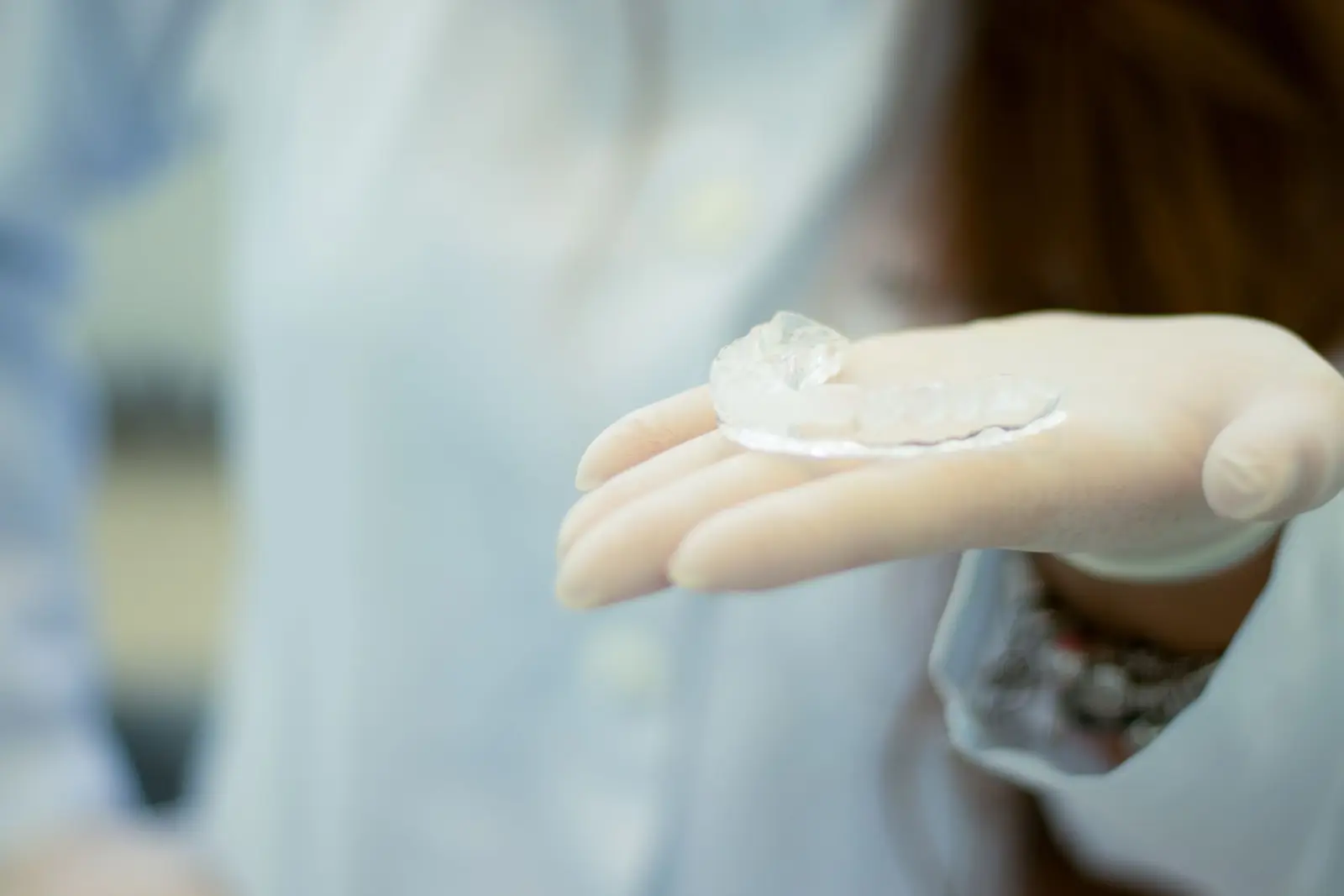
Dental Occlusal Splint in Sainte-Julie
Protection Against Bruxism
Do you grind your teeth at night? Do you wake up with headaches or jaw pain? A custom dental occlusal splint can transform your nights and protect your teeth against premature wear caused by bruxism.
At AM Denturologiste in Sainte-Julie, we fabricate high-quality acrylic occlusal splints, perfectly fitted to your dentition for optimal comfort and effective protection. Our team proudly serves Sainte-Julie, Saint-Bruno-de-Montarville, Boucherville, Longueuil and the entire South Shore of Montreal.
What is an occlusal splint?
An occlusal splint is a rigid acrylic dental night guard, custom-made from precise impressions of your teeth. This removable appliance is generally worn at night and creates a protective barrier between your upper and lower teeth. By preventing direct contact between your dental arches, the splint absorbs grinding and clenching forces, thereby preserving the integrity of your tooth enamel.
The occlusal splint is much more than a simple mouthguard. It plays an important therapeutic role by rebalancing occlusion (the way your teeth fit together) and relaxing the jaw muscles that work excessively during bruxism episodes. Unlike generic mouthguards sold in pharmacies, a professional occlusal splint is precisely designed to fit your unique oral morphology perfectly, offering superior comfort and maximum effectiveness.
Signs that you need an occlusal splint
Bruxism affects approximately 8 to 10% of the adult population in Quebec, but many people are unaware they suffer from it since episodes occur mainly during sleep. Here are the telltale signs indicating you could benefit from an occlusal splint:
Characteristic morning symptoms: You regularly wake up with headaches localized to the temples, jaw or neck pain, a feeling of facial muscle fatigue, or the impression that your teeth are clenched. Some people also notice ear pain or tinnitus (ringing in the ears) explained by the proximity of the temporomandibular joint to the inner ear.
Visible tooth wear: During your dental examination, your denturist may observe abnormal flattening of chewing surfaces, teeth that appear shorter than they should be, or small fractures and cracks in the enamel. Bruxism wear often manifests as shiny facets on the teeth where enamel has been polished by repeated friction.
Increased tooth sensitivity: Teeth become more sensitive to hot and cold as the protective enamel thins due to constant grinding. This sensitivity can make consuming cold or hot beverages difficult and significantly affect your quality of life.
Indirect witness: Your spouse tells you they hear you grinding your teeth at night. The sound can be loud enough to disturb your partner's sleep, becoming a relational problem in addition to an oral health problem.
Why choose a professional occlusal splint?
Complete protection of your dental investment: Your natural teeth, as well as any costly dental work such as crowns, bridges or veneers you may have had installed, represent a considerable investment.
Relief from chronic pain: The occlusal splint relaxes the chewing muscles (masseters and temporals) that are hyperactive in people suffering from bruxism. This muscle relaxation translates into a marked decrease in tension headaches, neck pain and morning stiffness. Many of our patients in Sainte-Julie report a spectacular improvement in their quality of life after a few weeks of regular use.
Prevention of TMJ disorders: The temporomandibular joint (TMJ) is one of the most stressed joints in your body, activating thousands of times per day. Bruxism exerts excessive pressure on this delicate joint, potentially leading to extremely difficult-to-treat chronic dysfunctions. An occlusal splint significantly reduces stress on the TMJ by redistributing forces more uniformly.
Improved sleep: Bruxism disrupts deep sleep cycles, leaving you tired upon waking despite sufficient hours in bed. By eliminating or reducing grinding episodes, the occlusal splint promotes more restorative sleep, which positively affects your energy, concentration and mood during the day.
Superior professional fit: Unlike prefabricated splints sold in pharmacies that are universal and often uncomfortable, our occlusal splint is fabricated in the laboratory from precise impressions of your mouth. The personalized fit guarantees comfortable wear all night, without gum irritation or difficulty breathing or speaking before falling asleep.
The process of fabricating your occlusal splint
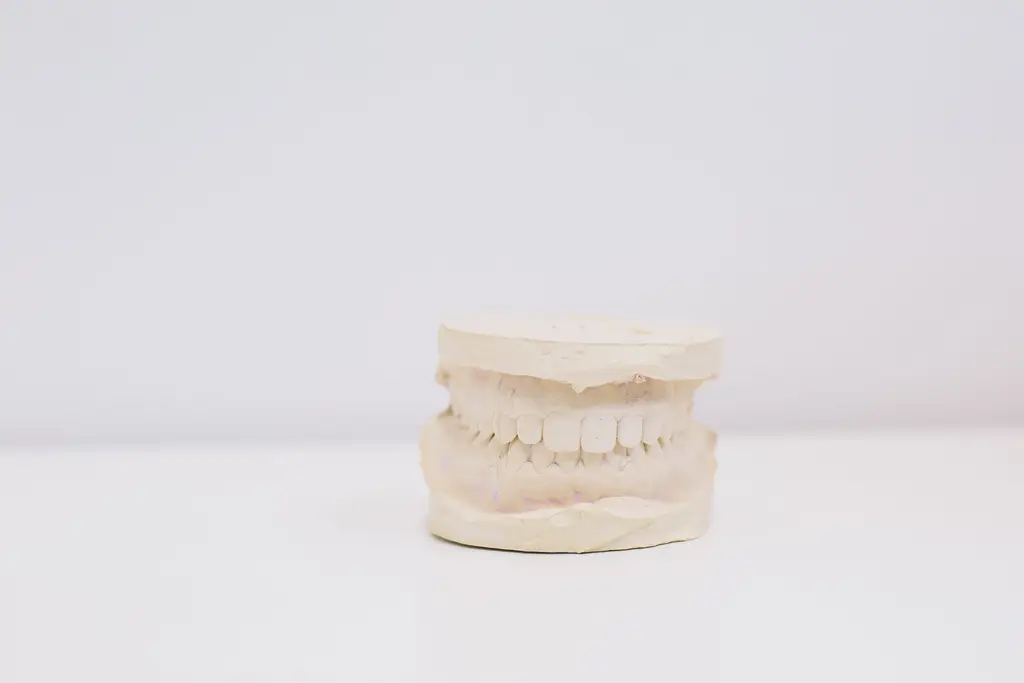
First visit – Consultation and impressions (30-45 minutes): During your first visit to our Sainte-Julie clinic, your denturist performs a complete examination of your mouth to evaluate the extent of tooth wear, check the condition of your temporomandibular joints and understand your symptoms. We then take precise dental impressions using high-quality impression materials that capture every detail of your dentition. These impressions serve as the model for fabricating your custom splint. We also analyze your occlusion (the way your teeth meet) to ensure the splint will be perfectly balanced.
Laboratory fabrication (7-10 days): Your impressions are sent to our partner laboratory where specialized technicians fabricate your occlusal splint in professional-grade medical acrylic. This rigid yet comfortable material is specially designed to withstand the intense forces of bruxism while effectively protecting your teeth. The splint is meticulously polished to eliminate any roughness that could irritate your gums or tongue.
Second visit – Delivery and adjustments (30 minutes): We fit your occlusal splint to verify that it inserts perfectly and comfortably in your mouth. We make the necessary adjustments to balance your occlusion with the splint in place, carefully marking contact points with coloured articulating paper. These meticulous adjustments are essential to ensure the splint will not create new imbalances in your jaw. We also teach you proper care techniques and answer all your questions about daily use.
Follow-up included: We generally schedule a follow-up appointment after 2 to 4 weeks of use to ensure you have adapted well to the splint and make additional adjustments if necessary.
Care tips for your occlusal splint
Proper care of your occlusal splint will extend its lifespan and maintain its protective effectiveness for several years. Each morning after use, rinse your splint in cold or lukewarm water to remove saliva and debris. Brush it gently with a soft toothbrush and a small amount of non-abrasive toothpaste or mild soap. Avoid whitening toothpastes that contain abrasive agents that can scratch the acrylic surface and create areas where bacteria can accumulate.
Once or twice a week, soak your splint in a denture cleaning solution or in a mixture of water and white vinegar (half and half) for 15 to 20 minutes to remove tartar buildup and bacteria. Rinse thoroughly after soaking. Between uses, always store your splint in its perforated rigid case that allows air circulation. Never leave it exposed to sunlight, near a heat source or in hot water, as acrylic can deform under heat, compromising the precise fit.
Bring your occlusal splint to each of your dental check-up visits (generally every 6 months) so we can verify its condition, perform professional cleaning and make necessary adjustments. With proper care, a professional-quality occlusal splint typically lasts 3 to 5 years before requiring replacement. Signs indicating replacement is necessary include visible cracks, marked thinning of the acrylic at contact points, or a fit that becomes less snug due to wear.
Frequently Asked Questions
What is the difference between an occlusal splint and a pharmacy mouthguard?
A professional occlusal splint is custom-made from precise impressions of your teeth, offering a perfect fit and optimal protection. Pharmacy mouthguards are universal, often uncomfortable and less effective. The custom splint is also adjusted to balance your occlusion, which a generic product cannot accomplish.
How long does an occlusal splint last?
With proper care, a professional-quality occlusal splint generally lasts 3 to 5 years. Lifespan depends on the severity of your bruxism and the quality of daily care. Patients with intense bruxism may wear out their splint more quickly.
Do I need to wear my occlusal splint every night?
Yes. For maximum effectiveness, it is recommended to wear your occlusal splint every night. Bruxism occurs unpredictably during sleep, and constant protection is essential to prevent cumulative damage. Some patients also benefit from wearing it during periods of high daytime stress.
Will the occlusal splint prevent me from speaking or breathing?
No. Once in place, the occlusal splint is designed not to interfere with your breathing. Some people prefer to put it in a few minutes before falling asleep to get used to it. The initial adaptation period generally lasts 3 to 7 nights, after which most patients no longer notice its presence.
Can my occlusal splint treat TMJ disorders?
Yes. The occlusal splint is often recommended to relieve symptoms of temporomandibular joint (TMJ) disorders. By rebalancing occlusion and reducing pressure on the joints, it helps decrease pain, clicking and opening limitations associated with TMJ dysfunction.
Can I drink water with my occlusal splint?
Yes, you can drink water with your splint in your mouth. However, avoid eating with the splint, as this could damage it. Also remove it to consume other beverages, particularly hot, sugary or acidic drinks that could accumulate under the splint.
How do I know if my occlusal splint is working well?
Signs of effectiveness include a decrease in morning headaches, less jaw pain, reduced tooth sensitivity and more restorative sleep. During your follow-up visits, we also examine splint wear to confirm it is correctly absorbing bruxism forces.
Can an occlusal splint cure bruxism?
The occlusal splint does not cure bruxism, but it effectively protects your teeth against its destructive effects and relieves associated symptoms. Bruxism is often linked to stress, anxiety or neurological factors that require a comprehensive approach including sometimes stress management, physiotherapy or other complementary interventions.
How long does it take to get used to an occlusal splint?
The adaptation period varies from person to person, but most patients get used to their splint in 3 to 7 nights. At first, you may produce more saliva or feel slight discomfort, but these sensations disappear quickly. Our team supports you during this adaptation period with personalized advice.