
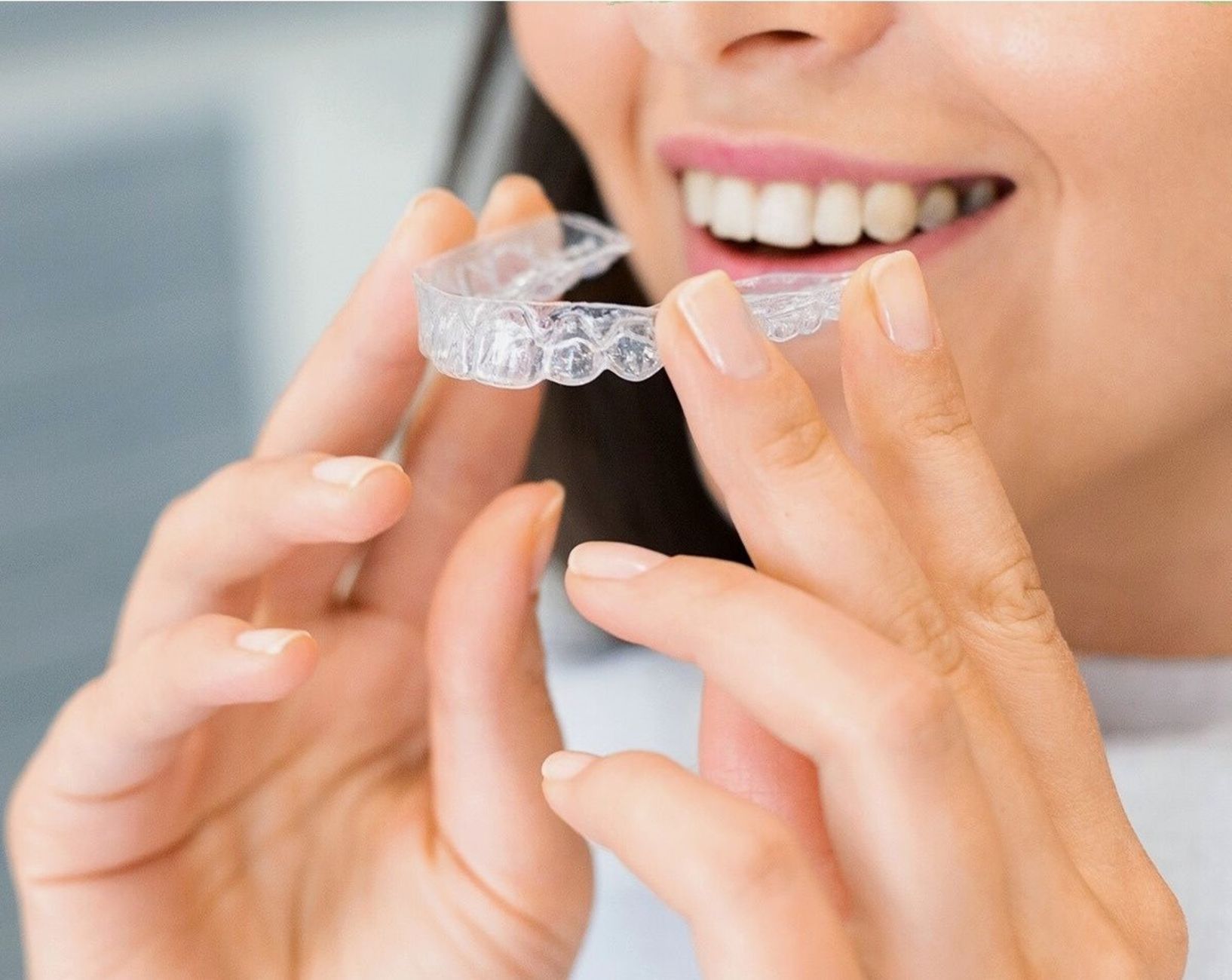
Adult orthodontics uses braces or clear aligners to straighten teeth and correct bite problems at any age. Most adults finish treatment in several months to a few years, depending on complexity. Costs vary with the appliance and case, so a professional assessment gives the most accurate estimate.
Straight teeth are no longer just a childhood milestone. More grown-ups than ever are booking consultations, comparing appliances and asking the same practical questions: which option is discreet, how long will it take, and what will it cost. The good news is that modern treatment is flexible, comfortable and suited to busy adult lives, whether the goal is closing a gap, fixing crowding or improving a bite that has drifted over the years.
This guide breaks down the real options for adults and children, explains typical timelines, and shows what actually drives the price so you can plan with confidence.
Why more adults are choosing orthodontic treatment
Orthodontics was once seen as something for teenagers, but that has changed dramatically. According to the Canadian Association of Orthodontists, more than one in four orthodontic patients are now over the age of 21, and that share keeps growing.
The motivation goes well beyond looks. Crowded or crooked teeth are harder to brush and floss, which raises the risk of cavities and gum problems. A misaligned bite can cause uneven wear, chipped enamel, jaw strain and headaches. Because the biology of moving teeth is the same for adults as for children, treatment is usually just as successful later in life.
Common reasons adults start treatment include:
- Crowding or spacing that makes cleaning difficult
- A bite that causes grinding, clenching or jaw discomfort
- Teeth that have shifted after previous dental work
- Preparing the mouth before crowns, bridges or implants
Orthodontic treatment options for adults and kids
There is no single best appliance. The right choice depends on the type of correction needed, your lifestyle and your budget. You can review the main orthodontic treatment options offered locally before your consultation to arrive with informed questions.
Clear aligners
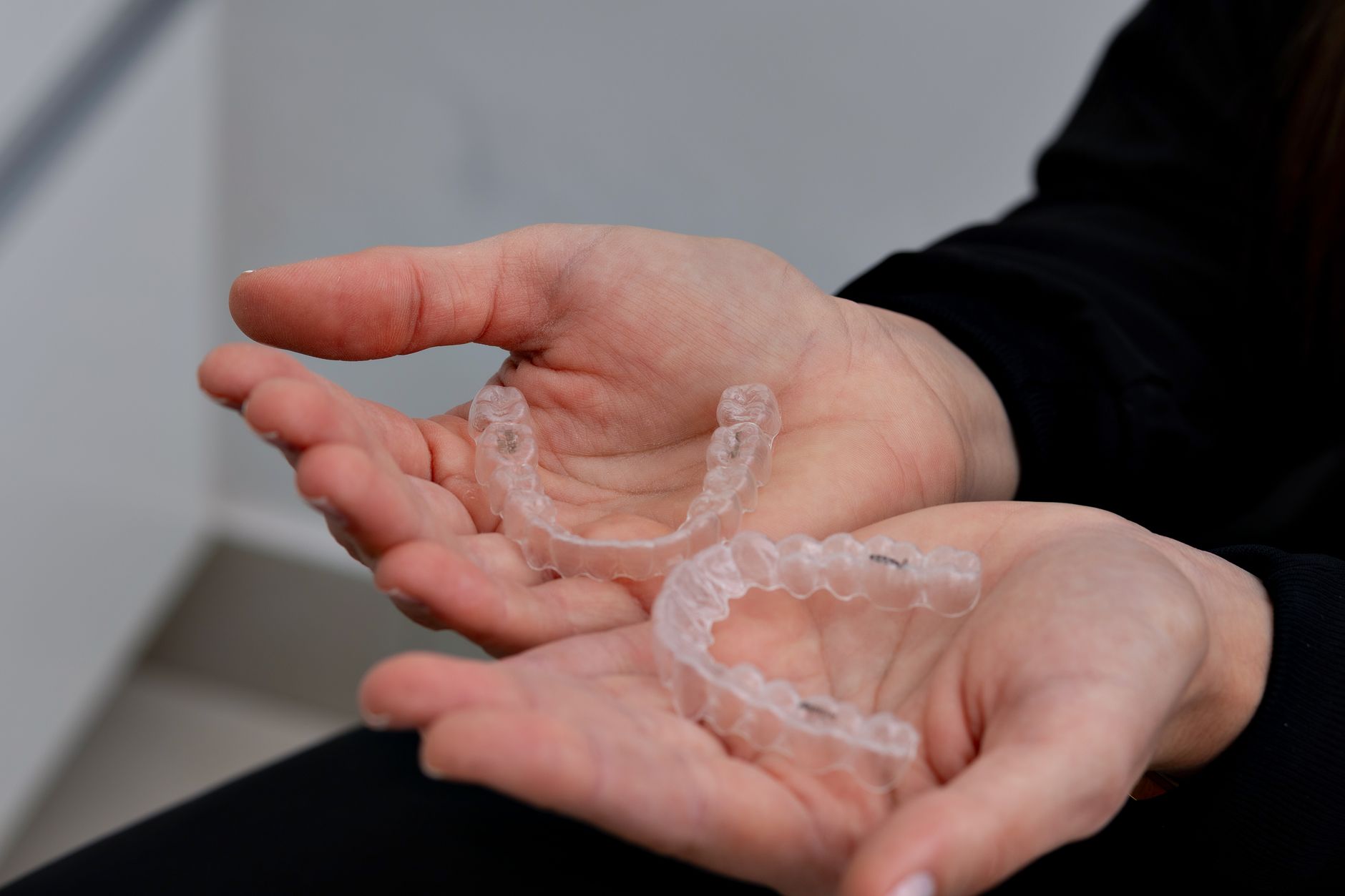
Clear aligners are a series of custom, removable plastic trays that gradually move teeth into place. They are nearly invisible, which makes them very popular with adults, and they lift out for eating, brushing and flossing. For best results, they must be worn 20 to 22 hours a day. Aligners handle mild to moderate cases well, though not every problem qualifies.
Braces for adults
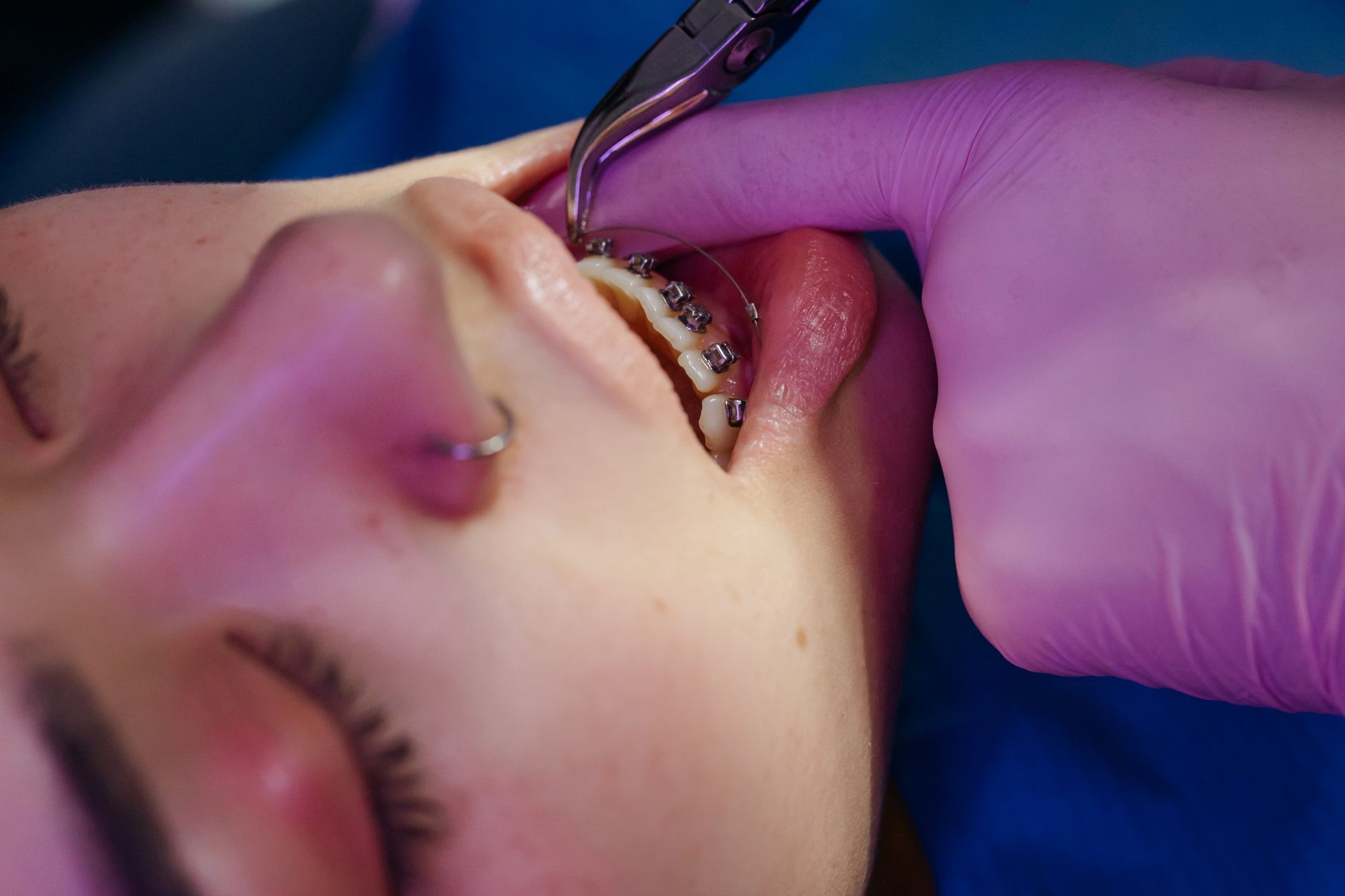
Metal braces remain the most durable and cost-effective choice, especially for complex movements. Ceramic braces work the same way but use tooth-coloured brackets for a more discreet look. Lingual braces sit behind the teeth and stay hidden entirely. All of these give an orthodontist strong, precise control over how each tooth moves.
Options for kids and teens
Children often start with observation rather than appliances, moving to braces or aligners once enough permanent teeth arrive. Early, interceptive care can guide jaw growth and create space. Building good habits early with regular dental care for children makes any future treatment smoother.
How adult orthodontics timelines and costs compare
Choosing between appliances is easier when you see them side by side. The table below summarizes the trade-offs so you can match an option to your priorities.
| Treatment option | Visibility | Removable | Often suited to |
|---|---|---|---|
| Metal braces | Most visible | No | Complex cases, all ages |
| Ceramic braces | Less visible | No | Adults wanting discretion |
| Clear aligners | Nearly invisible | Yes | Mild to moderate cases |
| Lingual braces | Hidden behind teeth | No | Aesthetic-focused adults |
How long braces take
Duration depends on how far the teeth and bite must move. The Canadian Association of Orthodontists notes that simple problems may take only a few months, while more complicated cases can run several years. Wearing aligners as directed and keeping every appointment keeps progress on track. After a full assessment, your orthodontist can give a realistic timeline for your specific case.
What affects orthodontic treatment cost
There is no flat rate, and honest pricing only comes after an exam. The main factors that move orthodontic treatment cost up or down include the type of appliance, the severity of the misalignment, the length of treatment and any existing dental work that must be managed first. Removable or hidden appliances usually carry a premium over standard metal braces. For a general overview of fees and coverage, the CAO cost and insurance information is a helpful starting point.
Adults with a crown, bridge or a missing tooth may need extra planning, since spacing changes can interact with those restorations. Understanding your options for replacing a missing tooth early helps sequence everything correctly.
Considering a change to your smile? The clearest way to compare appliances, timelines and pricing is to request a personalized assessment with a qualified professional who can examine your teeth in person.
Choosing the right time to start treatment
Timing matters, but it is rarely a barrier. The American Association of Orthodontists recommends a first check-up by age 7, when developing bite issues become visible. That early visit is usually about monitoring, not immediate braces.
For adults, the right time is simply when you decide to act. One caution worth knowing: the CAO advises care with mail-order, direct-to-consumer aligners because they lack proper diagnosis and in-person oversight. A supervised plan protects both your smile and your investment.
Conclusion
Adult orthodontics has never been more accessible, discreet or effective, and the same principles apply to children who benefit from early evaluation. Whether you lean toward clear aligners, ceramic or metal braces, the smartest first step is a professional exam that maps out your options, timeline and true cost. To move forward with clarity, book a personalized consultation and get a plan built around your teeth, your schedule and your goals.
Frequently Asked Questions
Is adult orthodontics worth it later in life?
Adult orthodontics is often worth it, because straighter teeth are easier to clean and a balanced bite reduces uneven wear, chipping and jaw strain. Adults respond to treatment much like teenagers, since the biology of moving teeth stays the same at any age. Beyond appearance, many patients notice better comfort when chewing and improved long-term oral health once their alignment is corrected properly, giving lasting everyday results.
How long do braces take for most patients?
Treatment length depends on how much the teeth and bite need to move. Simple spacing or minor crowding can be resolved in a few months, while more complex cases may take a couple of years. Clear aligners and braces follow similar timelines when worn as directed. Skipping appointments or removing aligners too often can slow progress, so consistency matters. An orthodontist provides a personalized estimate after examining your teeth.
Are clear aligners as effective as braces?
Clear aligners work well for mild to moderate crowding, spacing and many bite issues, and they appeal to adults because they are nearly invisible and removable for eating and brushing. Fixed braces still offer stronger three-dimensional control for complex tooth movements. The right choice depends on your goals, your daily habits and the difficulty of your case. A qualified orthodontist will confirm whether aligners can achieve the result you want.
At what age should kids first see an orthodontist?
Orthodontic specialists recommend that children have a first check-up by around age seven, when the early adult teeth appear and developing bite problems become visible. This visit rarely means immediate braces. Instead, it lets a professional monitor growth and plan the ideal moment to act. Some children benefit from early, interceptive steps, while many are simply observed until more permanent teeth arrive. Starting the conversation early keeps future treatment simpler.