
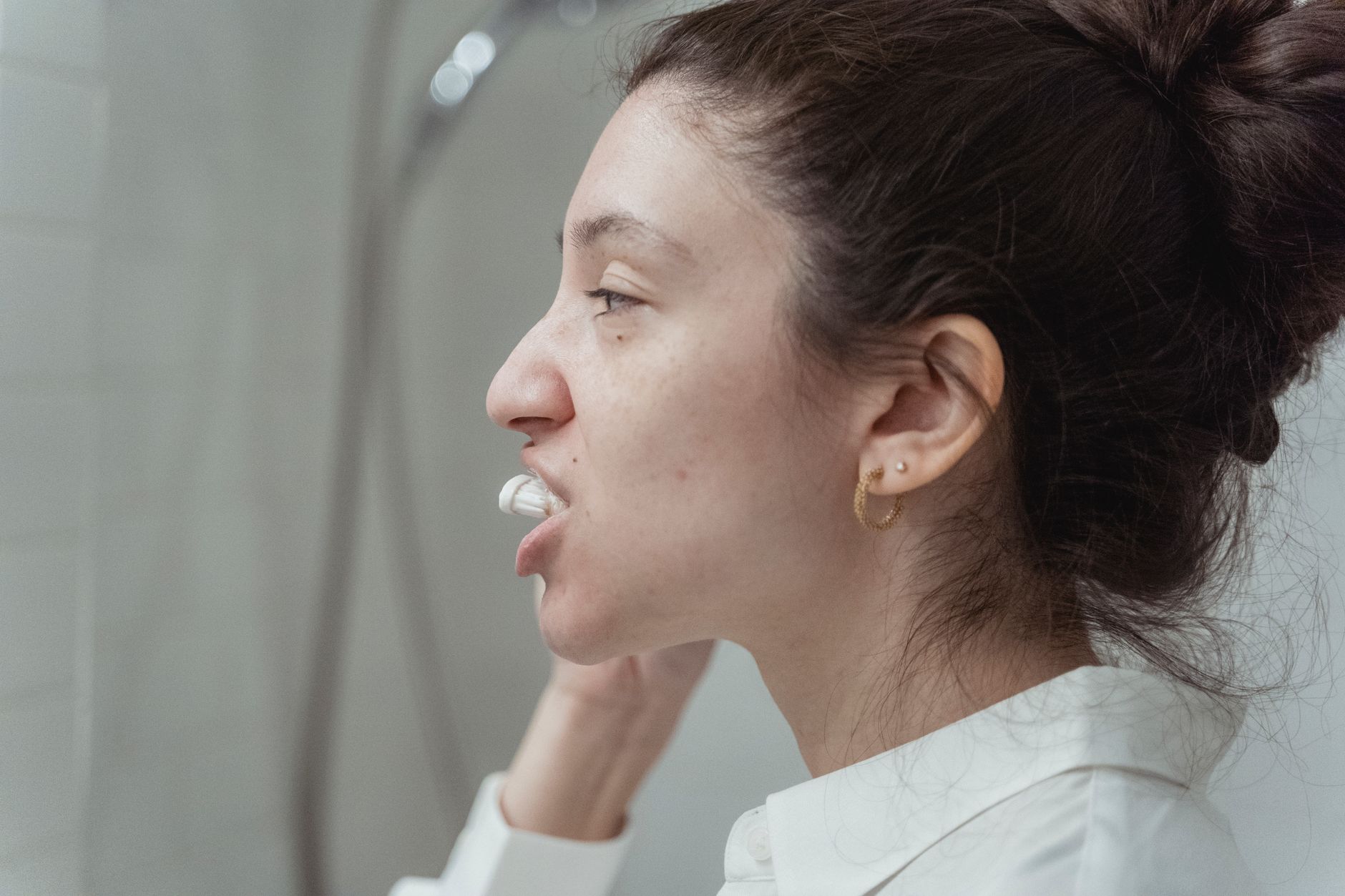
Teeth whitening at home uses low-concentration peroxide trays or strips and suits mild, budget-friendly touch-ups, while professional whitening applies stronger, dentist-supervised gels for faster, more even, longer-lasting results. The best choice depends on your budget, timeline, sensitivity, and the type of staining you want to remove safely.
A brighter smile ranks among the most requested cosmetic upgrades, and teeth whitening at home has made that goal feel more reachable than ever. Drugstore strips, trays, and pens sit on every pharmacy shelf, promising a whiter smile in days.
Yet convenience is only half the story. Professional treatments and store-bought kits use different concentrations, different oversight, and deliver noticeably different outcomes. Understanding how each option works helps you avoid wasted money, uneven colour, and unnecessary sensitivity.
How teeth whitening at home and in clinic actually works
Most whitening relies on a peroxide-based gel, either hydrogen peroxide or carbamide peroxide, which breaks down and lifts stains from inside the tooth. According to the American Dental Association guidance on whitening, these agents disrupt the pigmented compounds that darken enamel, while temporary tooth sensitivity and gum irritation remain the most common side effects.
The main variable is strength. Take-home and over-the-counter products use lower concentrations for safety, while in-clinic gels are far more potent and applied under supervision. Contact time, tray fit, and oversight explain most of the difference in speed and evenness.
Teeth whitening at home what to expect
At-home options include whitening strips, pre-filled or custom trays, whitening pens, and whitening toothpastes. Custom trays supplied after a dental impression tend to outperform generic drugstore versions because they hold gel evenly against each tooth and limit contact with the gums.
The upsides of at-home kits
- Lower upfront cost and easy access at most pharmacies
- A flexible pace that lets you whiten gradually on your own schedule
- A convenient way to maintain colour between professional touch-ups
- Custom trays from a clinic that improve comfort and evenness
The risks to watch for
Convenience comes with trade-offs. Health Canada advice on the safe use of home whitening kits warns that misuse can irritate soft tissue and trigger sensitivity.
- Ill-fitting trays can leak gel and burn or inflame the gums
- Overuse may worsen sensitivity or create patchy, uneven colour
- Kits cannot detect cavities or gum disease before you begin
- Results on deep or intrinsic stains are often disappointing
What professional teeth whitening cost includes
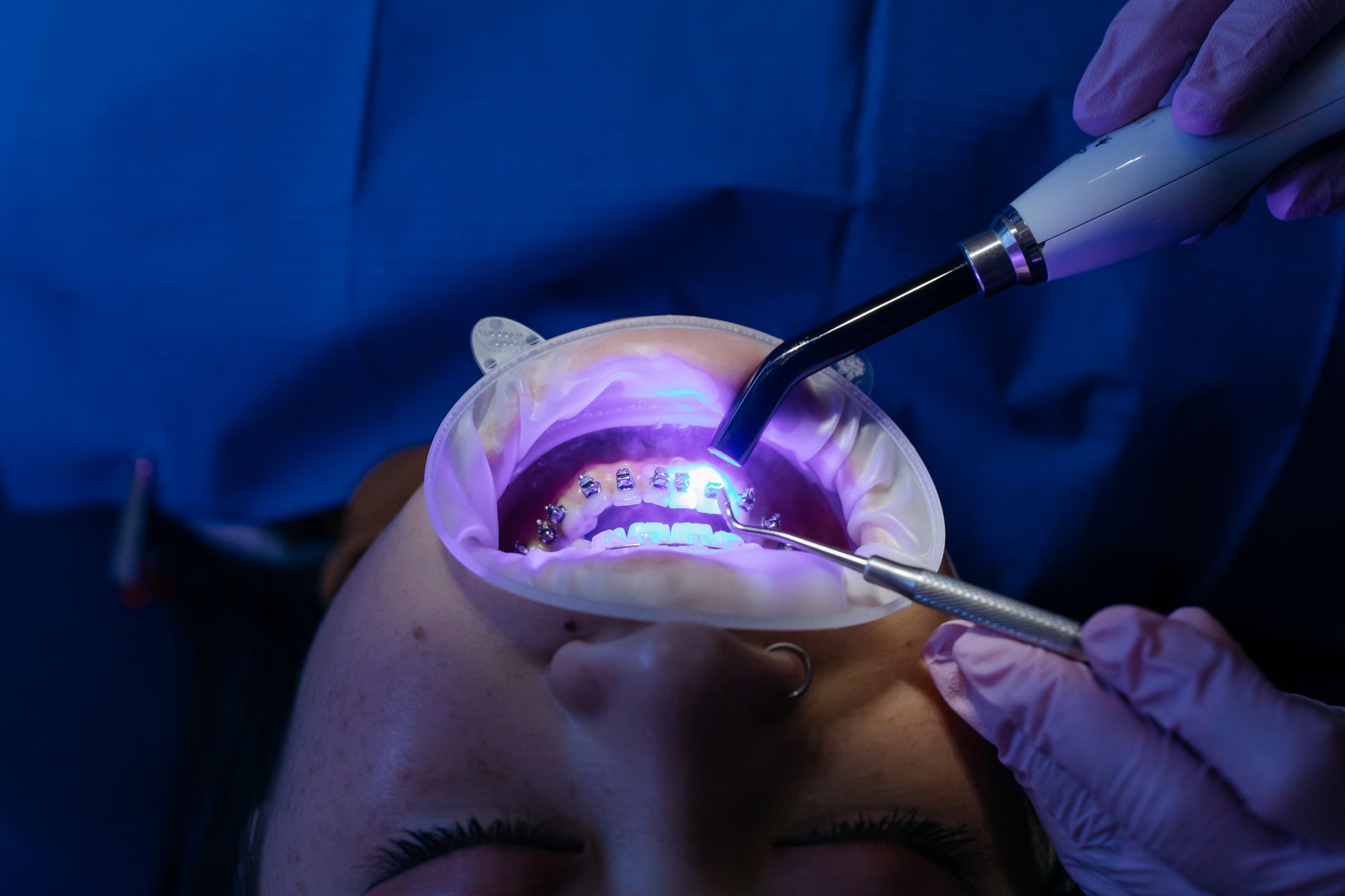
Professional whitening happens in two forms, a single in-clinic session with a strong activated gel, or dentist-supplied custom trays for supervised use at home. Both begin with an assessment of your teeth and gums, which is why professional teeth whitening cost usually reflects far more than just the gel.
Fees vary widely by region, clinic, and treatment type, so any online price should be treated as a rough guide rather than a firm quote. A short consultation gives the only reliable figure, and it often includes protective steps, stronger materials, and follow-up that store kits leave out. It helps to see how a supervised whitening treatment is structured before booking.
Not sure whether a kit or a clinic visit fits your enamel, budget, and timeline? A brief chat with a licensed oral health professional can map the safest route to a brighter smile. You can book a whitening consultation whenever you feel ready.
At-home vs professional teeth whitening results
When it comes to teeth whitening results, the gap usually shows up in speed, evenness, and how long the brightness lasts.
| Factor | At-home whitening | Professional whitening |
|---|---|---|
| Gel strength | Lower concentration | Higher, dentist-supervised |
| Speed | Gradual, over several weeks | Often a single appointment |
| Evenness | Depends on tray fit | Controlled and uniform |
| Pre-treatment check | None | Oral health assessment |
| Longevity | Shorter, needs frequent touch-ups | Typically longer lasting |
| Upfront cost | Lower | Higher |
Neither approach whitens crowns, veneers, or fillings, because only natural enamel responds to peroxide. Removing surface stains first with a professional dental cleaning can also make either method more effective.
Is teeth whitening safe for enamel and gums
Both routes are considered safe when used correctly, so the honest answer to the question, is teeth whitening safe, comes down to concentration, contact time, and supervision. The Canadian Dental Association advice on whitening recommends consulting a dentist first, especially if you have fillings, crowns, root canals, or heavy staining.
A thorough dental check-up before whitening rules out hidden cavities and gum problems that could turn a cosmetic boost into real discomfort. Temporary sensitivity is normal and usually fades within a day or two.
How to pick the best teeth whitening method
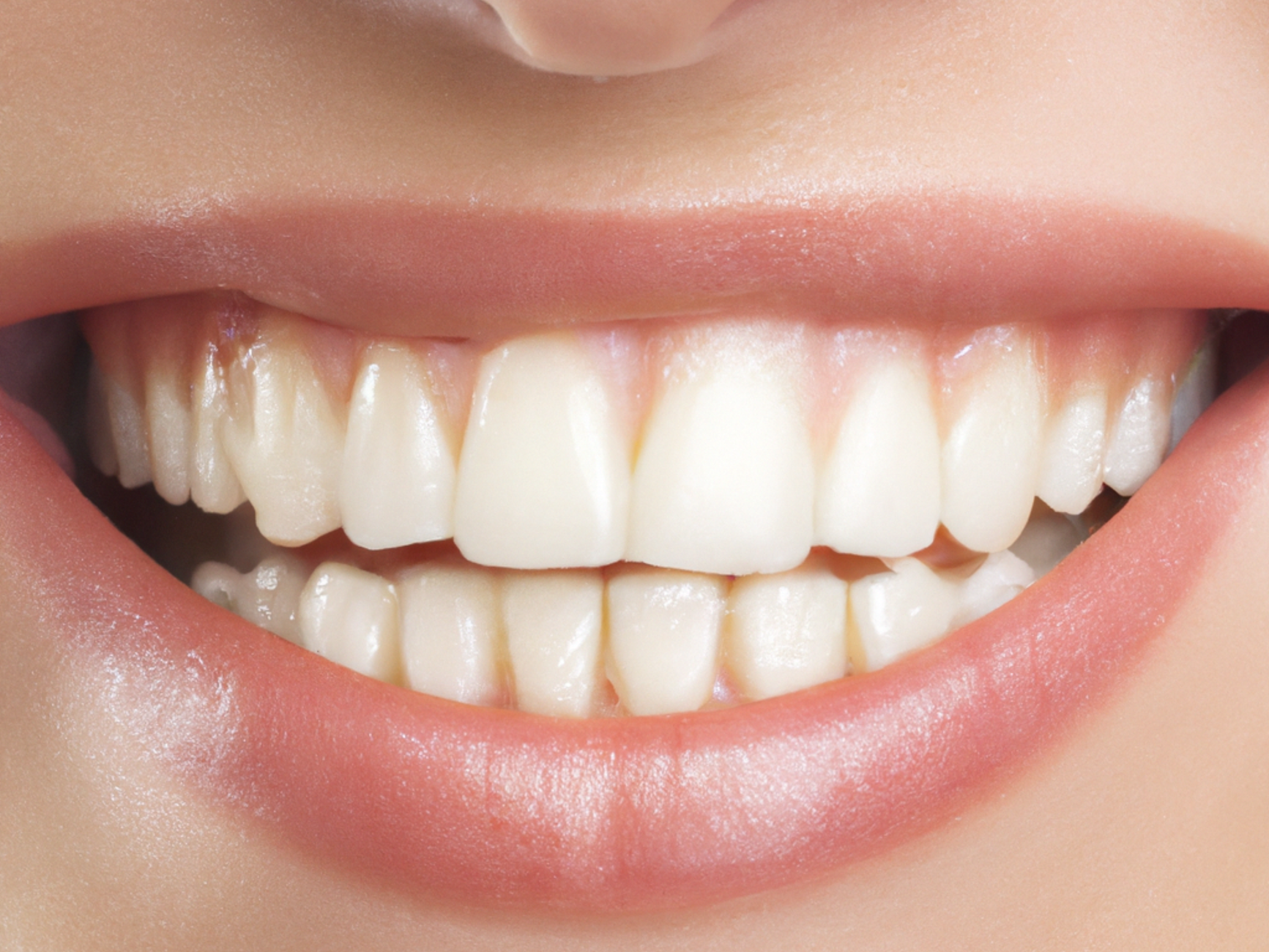
There is no single best teeth whitening method for everyone, because the right choice depends on your staining, your budget, and how quickly you want visible change.
- Choose at-home kits for mild staining, smaller budgets, and gradual maintenance
- Choose professional treatment for fast, dramatic, or event-driven results
- Book a check-up first if you have sensitivity, restorations, or dark stains
- Look for a recognized safety seal on any product you buy
Conclusion
Choosing between teeth whitening at home and in-clinic care comes down to your goals, your budget, and the current condition of your teeth. At-home kits offer affordable, gradual brightening, while professional treatment delivers faster, more even, and longer-lasting results under expert supervision. Whichever path appeals to you, a short professional consultation confirms what is safe and effective for your smile, so book an assessment before your next brightening step.
Frequently asked questions
Does teeth whitening at home really work?
Teeth whitening at home can work for mild surface staining, especially with peroxide trays or strips used consistently for two to three weeks. Results are usually subtle, lifting a few shades rather than transforming very dark or intrinsic stains. For faster, more dramatic and even change, dentist-supervised treatment remains stronger, but at-home options offer a convenient, budget-friendly starting point for many people seeking gradual improvement.
How long do teeth whitening results last?
Whitening is never permanent, because teeth keep absorbing pigments from coffee, tea, red wine, and tobacco over time. Professional results often hold longer than drugstore kits, particularly when paired with good oral hygiene and occasional touch-ups. Most people notice gradual fading over several months to a couple of years. Avoiding staining habits and keeping regular cleanings will help your brighter smile stay fresher for much longer.
Is professional whitening worth the extra cost?
For many people, yes, because dentist-supervised whitening uses higher-strength gels, protects the gums, and delivers faster, more even results in fewer sessions. It also begins with an oral health check, reducing the risk of treating hidden cavities or sensitivity. At-home kits cost less upfront but may need repeated purchases. The right value depends on your goals, timeline, and how dramatic a change you actually want to achieve.
Can whitening damage tooth enamel?
Used as directed, peroxide-based whitening does not permanently damage enamel, though temporary sensitivity and gum irritation are common. Problems usually appear when people overuse strong gels, leave trays on too long, or apply DIY acidic mixtures. Ill-fitting trays can also let gel burn soft tissue. Following instructions, respecting recommended concentrations, and getting professional guidance before starting keeps whitening safe and protects your enamel from lasting harm.
Who should avoid teeth whitening?
Whitening is generally not recommended for pregnant or breastfeeding women, children under sixteen, and anyone with untreated cavities or gum disease. People with many crowns, fillings, or veneers may see uneven results, since whitening only lightens natural teeth. Severe intrinsic staining sometimes needs other cosmetic options instead. A quick professional assessment can confirm whether whitening suits your mouth or whether treating underlying issues first would be wiser.