

Tooth extraction healing follows a predictable pattern. A protective blood clot forms within the first 24 hours, the gum closes over roughly 7 to 10 days, and the underlying bone rebuilds over several months. Protecting that clot with proper aftercare is the single most important step for a smooth recovery.
Few dental moments cause as much worry as having a tooth pulled, yet tooth extraction healing is usually far smoother than most people fear. Whether you are facing a simple removal or a surgical procedure, knowing what happens before, during and after helps you stay calm and recover faster.
This guide walks through the full journey, from the consultation chair to the day your gum finally feels normal again. You will learn how the recovery unfolds, what to eat, how to manage discomfort, and the warning signs that deserve a call to your dentist.
What tooth extraction healing looks like day by day
Recovery moves through clear stages, and knowing them helps you tell normal healing from a problem. The table below outlines a typical healing timeline, though a surgical removal may run a little longer than a simple one.
| Stage | Timeframe | What happens |
|---|---|---|
| Clot formation | Day 0 to 1 | Bleeding stops and a protective blood clot fills the socket |
| Peak swelling | Day 2 to 3 | Swelling and discomfort peak, then begin to ease |
| Soft tissue repair | Day 3 to 7 | New tissue fills the socket and soft foods feel comfortable |
| Gum closure | Day 7 to 14 | The gum seals over the socket and pain is largely gone |
| Bone remodelling | 1 to 6 months | The jawbone quietly rebuilds beneath the gum |
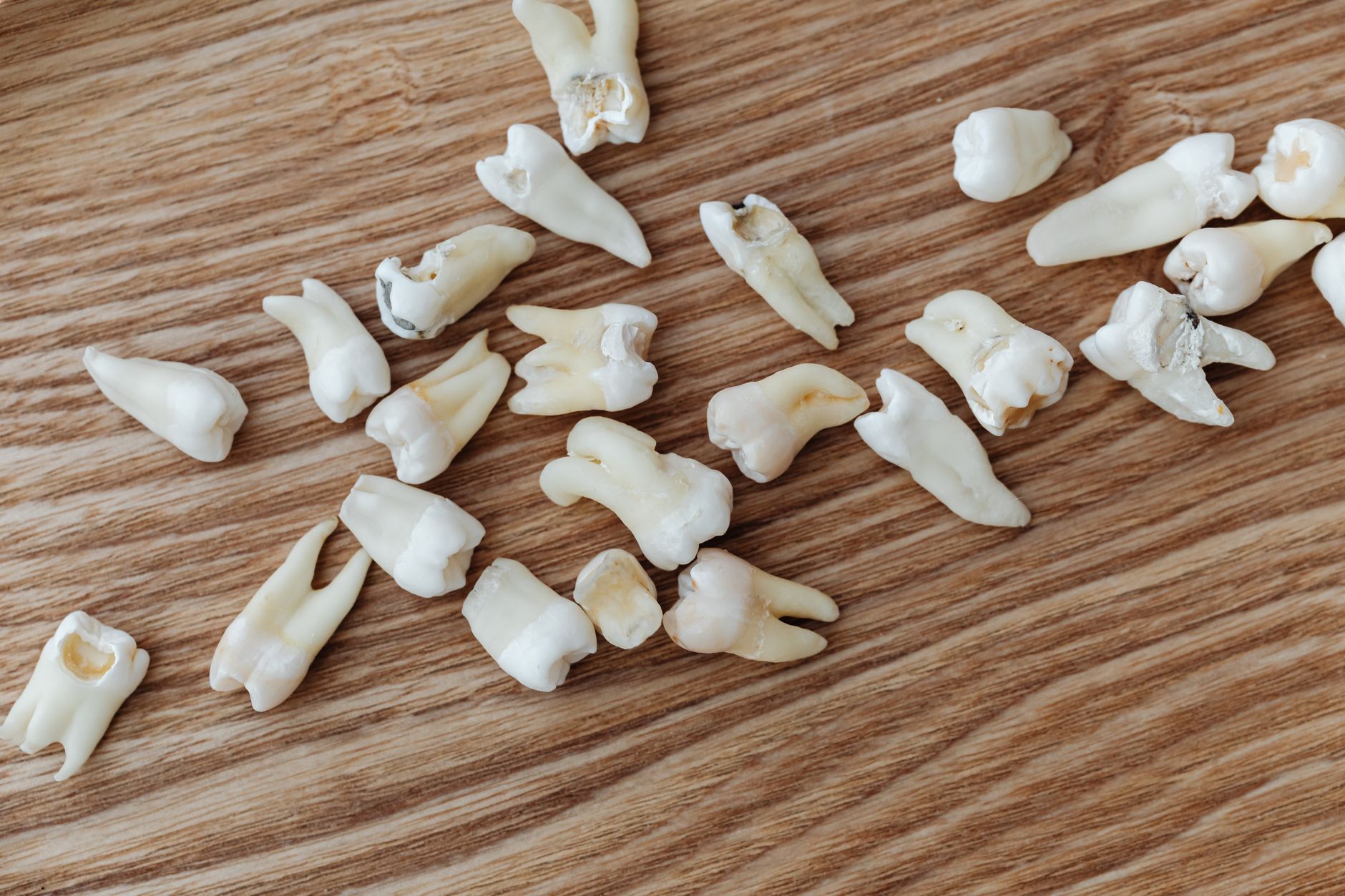
Before and during your tooth extraction
A little preparation makes the whole experience easier and sets up a cleaner recovery.
Before the procedure
Your dentist starts with an exam and a digital radiograph to map the tooth, its roots and the surrounding bone. This is the moment to share your full medical history, including any blood thinners, diabetes or heart conditions, since these can affect bleeding and healing. Ask your questions now so nothing feels rushed on the day.
Most extractions are recommended only as a last resort, because dentists aim to save your natural teeth whenever possible. When a tooth is beyond repair, removal protects the neighbouring teeth and your overall oral health.
During the procedure
The area is fully numbed with local anaesthetic, so you should feel pressure but no sharp pain. A simple extraction loosens and lifts a visible tooth, while a surgical extraction may involve a small incision, often for a broken or impacted tooth such as a wisdom tooth.
- A straightforward tooth removal procedure usually takes only a few minutes per tooth.
- A wisdom tooth removal can take longer and may need dissolvable stitches.
- Gauze is placed over the socket afterward to help the clot form.
Tooth extraction aftercare that protects the blood clot
The clot is the foundation of recovery. Dislodge it and you expose bone and nerve, which stalls healing and invites pain. Careful aftercare in the first few days does most of the work.
The first 24 hours
- Bite gently on gauze for 30 to 45 minutes to control bleeding.
- Apply an ice pack in 15 minute intervals to limit swelling.
- Do not spit, rinse vigorously or drink through a straw.
- Rest with your head slightly elevated and skip strenuous activity.
- Avoid smoking, ideally for at least a week, since it starves the wound of oxygen.
Starting on day two, gentle warm salt water rinses keep the site clean without disturbing the clot.
What to eat after tooth extraction
Nutrition supports repair, but texture and temperature matter more than usual. Stick to cool or lukewarm, soft foods that need no chewing near the wound.
- Yogurt, apple sauce and smooth blended soups
- Mashed potatoes, scrambled eggs and soft pasta
- Smoothies eaten with a spoon rather than a straw
Steer clear of crunchy, spicy, acidic or seedy foods until the gum has clearly closed.
Not sure whether your symptoms look normal? A short professional assessment can rule out complications and give you peace of mind. Book a consultation if anything feels off during your recovery.
Managing tooth extraction pain and recovery time
Some soreness is expected, and it tells you the body is at work. Pain typically peaks within the first 24 to 48 hours, then fades a little more each day. Over the counter pain relief, taken as your dentist advises, is usually enough for a simple extraction.
Recovery time depends on the case. Most people return to everyday routines within a couple of days after a simple removal, while a surgical or impacted extraction may need a few extra days of rest. Sleep, hydration and following instructions all shorten the road back to comfortable eating and speaking.

Warning signs of dry socket and infection
Most recoveries are uneventful, but a few signals deserve prompt attention. The most common complication is dry socket, which affects roughly 2 to 5 percent of extractions and happens when the clot is lost too soon.
Call your dentist if you notice any of the following:
- Sharp, throbbing pain that appears two to four days later and radiates to the ear or temple
- Pain that worsens instead of easing after day three
- Bad breath, an unpleasant taste or visible bone in the socket
- Fever, pus, or swelling that spreads across the face
- Bleeding that does not slow after firm gauze pressure
Catching these early keeps a minor setback from becoming a bigger problem, and treatment for dry socket is quick and effective.
Conclusion
Tooth extraction healing is a step by step process you can support with informed, consistent care. Protect the blood clot, favour soft foods, manage discomfort sensibly, and watch for the warning signs of dry socket. Do that, and most recoveries stay smooth and predictable. If pain lingers past day three or anything feels wrong, book a professional assessment rather than waiting it out.