
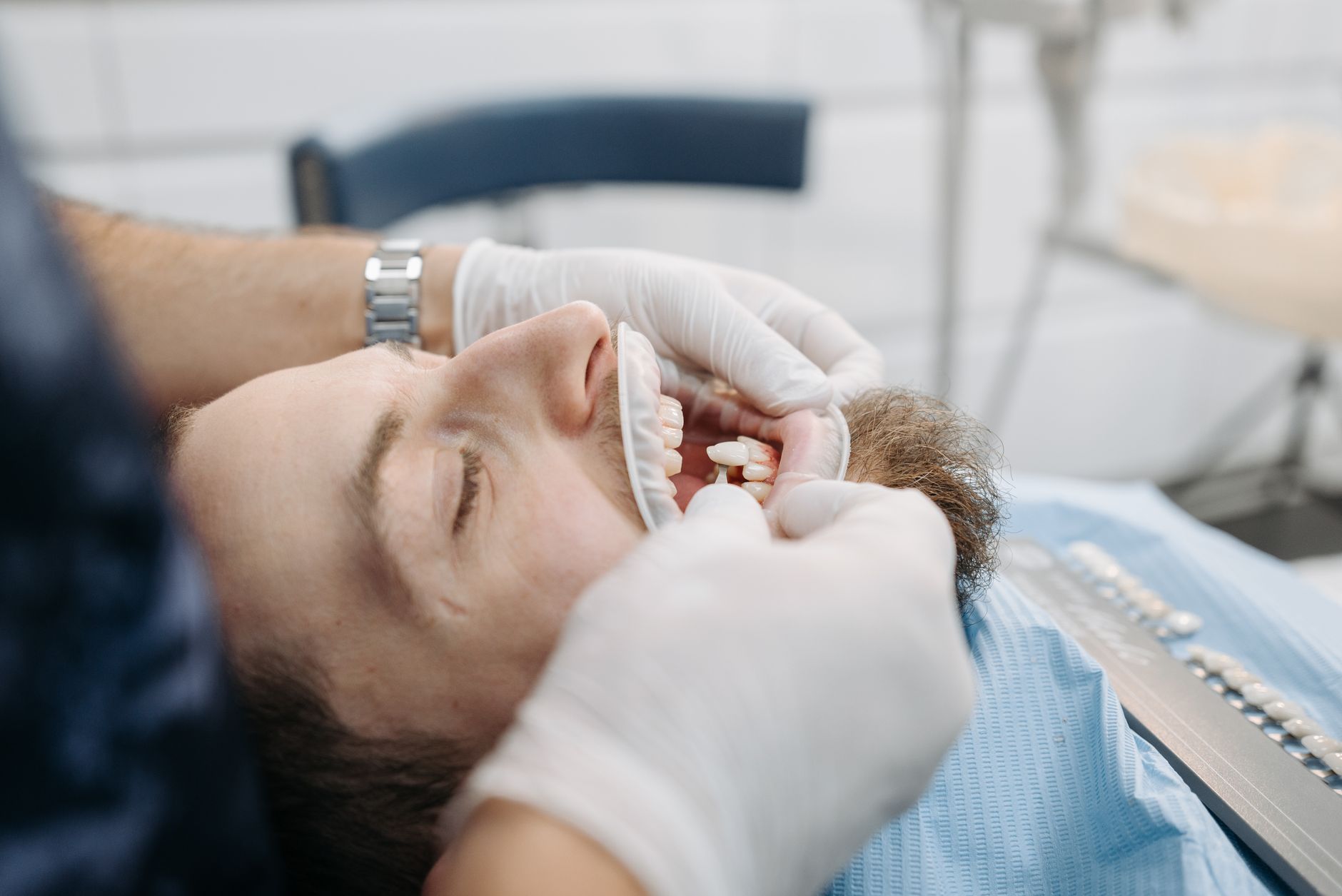
A dental crown lifespan typically ranges from five to 15 years, though well-maintained crowns often last two decades or more. Longevity depends on the material chosen, your oral hygiene, chewing habits and how well the underlying tooth is protected. Regular dental care extends how long crowns stay functional.
If you have just been told you need a crown, you probably want one clear answer before anything else: will it actually last? A crown is a real investment in your smile and your comfort, so it makes sense to understand what you are getting for your money. The good news is that modern materials and techniques have made crowns more durable and more natural-looking than ever. This guide walks you through the different types of dental crowns, what drives their longevity, roughly what they cost in Quebec, and the daily habits that keep them strong for the long haul.
What a dental crown is and when you need one
A dental crown is a custom cap that fits over a damaged tooth to restore its shape, strength and appearance. Dentists recommend one when a tooth is cracked, heavily decayed, worn down, or weakened after a root canal. Crowns also cap dental implants and anchor fixed bridges.
Placing a crown usually takes two visits, although same-day options now exist thanks to digital scanning and in-office milling. During the process, a small amount of enamel is removed so the crown fits snugly over the tooth. You can explore the full range of custom dental crown options and see how each one restores function while protecting what remains of your natural tooth.
Types of dental crowns and their materials
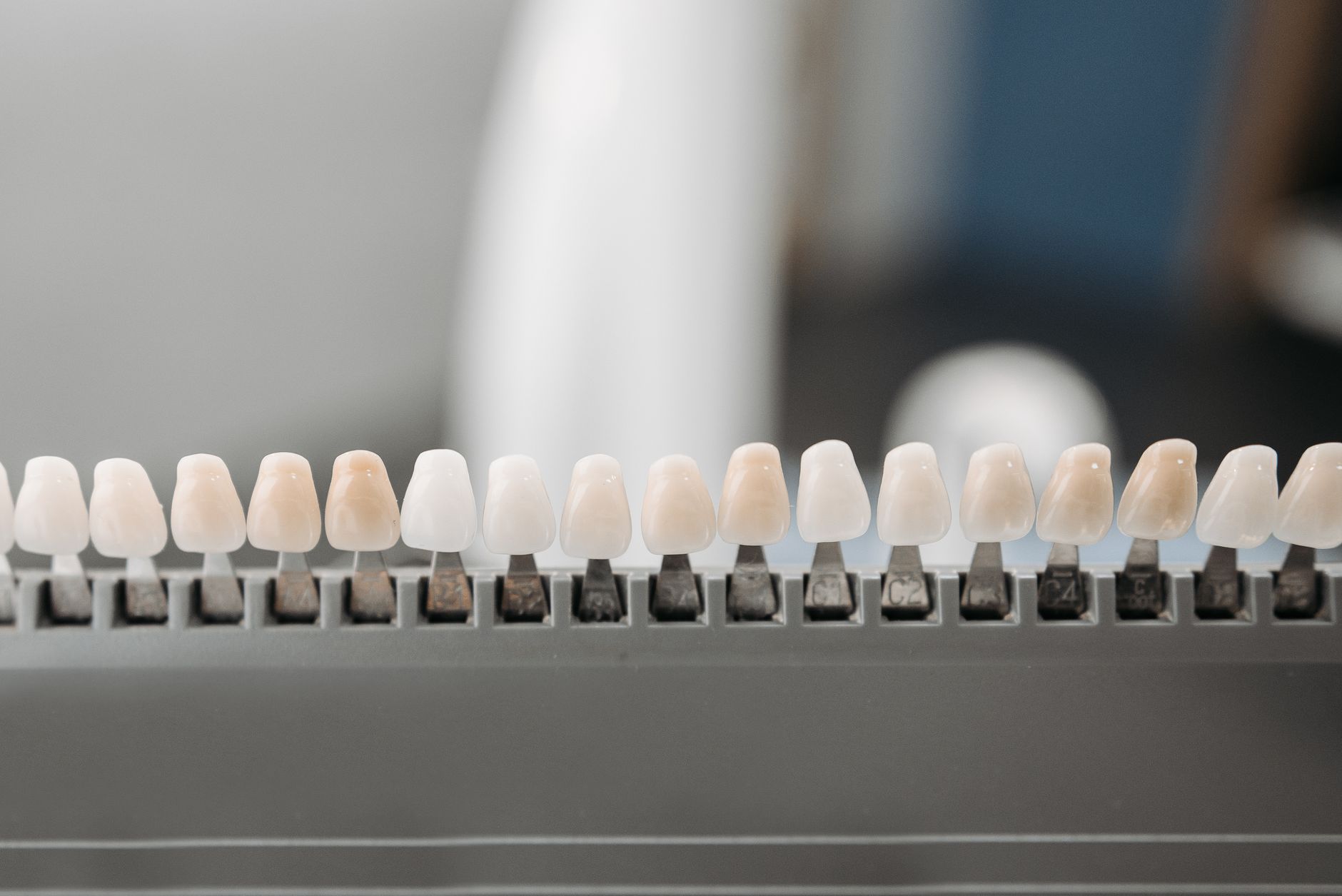
The material behind your restoration shapes both its look and its longevity. Understanding the main types of dental crowns helps you choose the right balance of strength, appearance and value for the tooth being treated.
CEREC ceramic crowns
Ceramic crowns milled with CEREC technology can be designed, produced and placed in a single appointment. They are metal-free, biocompatible and colour-matched to your surrounding teeth, which makes them a favourite for front teeth where appearance matters most.
Zirconia crowns
Zirconia is a high-strength ceramic prized for its resistance to fracture. It blends durability with a natural finish, so it works well on molars that absorb heavy chewing forces while still looking discreet.
Porcelain-fused-to-metal and full metal crowns
Porcelain-fused-to-metal crowns pair a metal base with a tooth-coloured surface, offering a practical mix of strength and aesthetics. Full gold and metal crowns rarely chip and tend to be gentle on opposing teeth, though their colour is less discreet on visible areas.
When patients weigh a ceramic vs metal crown, the decision usually comes down to visibility and bite pressure. Ceramic wins on looks for front teeth, while metal and zirconia excel where raw durability counts.
| Crown type | Best suited for | Aesthetics | Relative durability |
|---|---|---|---|
| CEREC ceramic | Front and visible teeth | Excellent, very natural | Good |
| Zirconia | Molars and heavy chewers | Very good | Very high |
| Porcelain-fused-to-metal | Most positions | Good | High |
| Full metal or gold | Back molars | Low visual match | Very high |
Not sure which material fits your situation? Booking a professional assessment is the surest way to match the right crown to your bite, your budget and the tooth being restored. A short routine dental exam gives a clinician everything needed to recommend the most durable option for you.
What determines your dental crown lifespan
Several factors decide how many years a restoration will serve you. According to the Cleveland Clinic, crowns last between five and 15 years with proper care, and the range depends heavily on the variables below.
- Material: Metal and zirconia resist wear better than pure porcelain, so they often outlast more delicate options.
- Oral hygiene: The tooth beneath a crown can still decay, so plaque control directly protects the restoration.
- Habits: Grinding, clenching, chewing ice and biting hard candy add stress that shortens a crown's life.
- Placement quality: A precise fit and a healthy foundation help a crown stay sealed and stable for years.
- Position in the mouth: Molars endure more force than front teeth, which influences long-term durability.
The strength of the tooth and gum supporting the crown matters just as much as the cap itself. That is why treating decay early and keeping gums healthy do so much to extend a dental crown lifespan.
How dental crown cost relates to longevity
Dental crown cost is one of the first questions patients ask, and it usually reflects the material, the laboratory work and the precision involved. In Quebec, fees follow the provincial dental fee guide and vary by the type of crown selected, so the smartest move is to request a written estimate before treatment begins.
A higher upfront price often buys added durability or a more natural finish, which can mean fewer replacements over time. Many insurance plans also cover part of the expense. Viewed over 10 or 15 years, a well-made crown frequently proves more economical than repeated repairs to a failing tooth. You can learn how crowns fit alongside other options within a full menu of crowns and bridges treatments before you commit.
How to care for your crowns and make them last
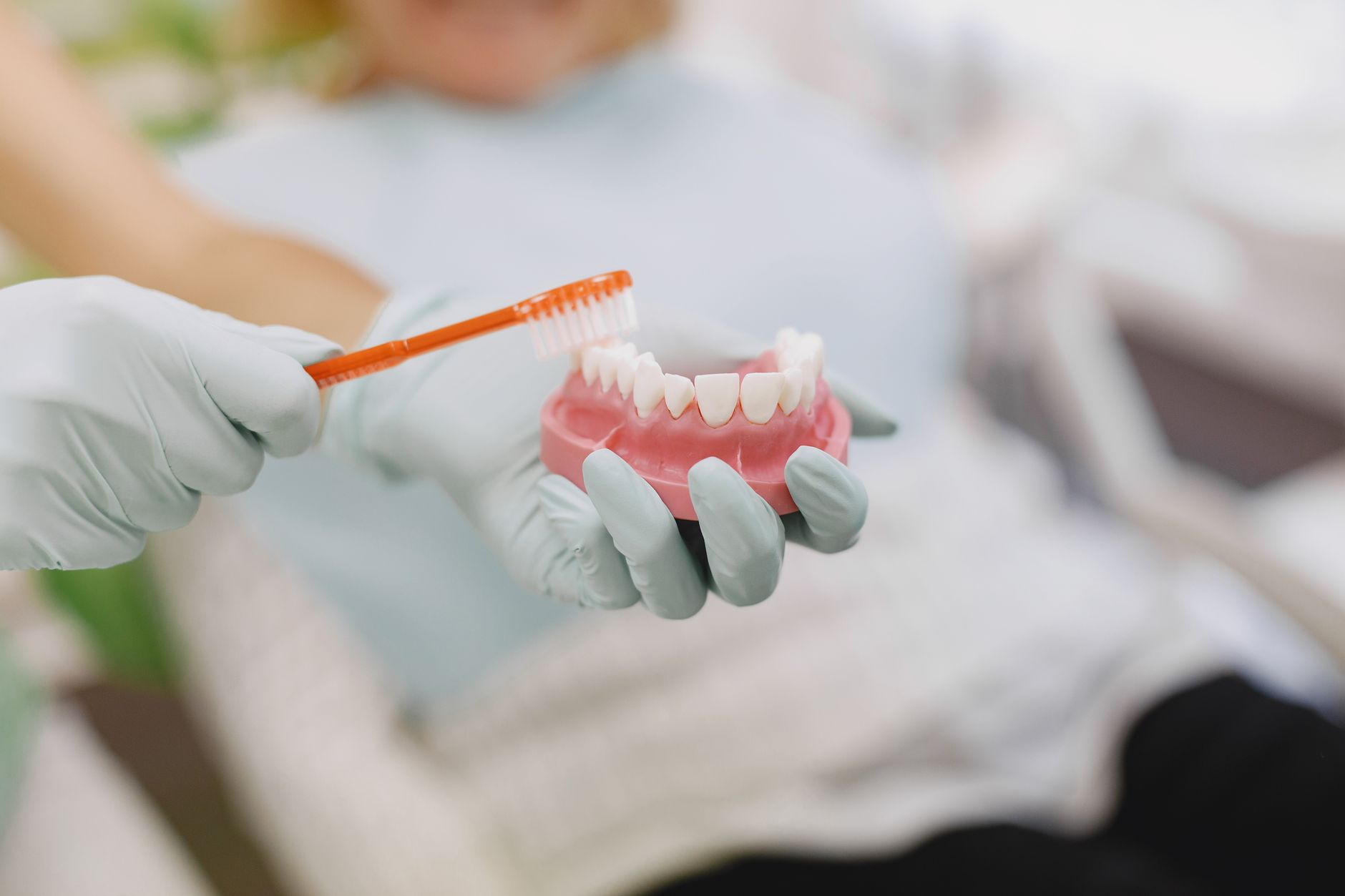
Daily habits are the single biggest lever you control. Crowns are built to withstand normal chewing, yet consistent care is what pushes them toward the upper end of their expected range.
- Brush twice a day and floss once daily to keep the crown margin free of plaque.
- Avoid chewing ice, pens or very hard foods that can crack the surface.
- Wear a night guard if you grind or clench while you sleep.
- Keep up with professional cleanings and checkups so small issues are caught early.
- Do not use your teeth as tools to open packaging.
These same principles apply to any capped tooth, including a crown on an implant, which relies on healthy surrounding tissue to stay secure. For a deeper look at protecting restorations over time, the guidance on maintaining dental restorations offers practical, long-term routines you can start today.
Conclusion
Your dental crown lifespan is not fixed at the moment of placement. It grows with every careful brushing session, every night guard worn and every checkup kept. Choosing the right material for the tooth, controlling grinding, and staying on top of hygiene are what turn a five-year crown into one that serves you for two decades. If a damaged tooth is on your mind, the best next step is a professional evaluation to map out the most durable, cost-effective plan for your smile.