
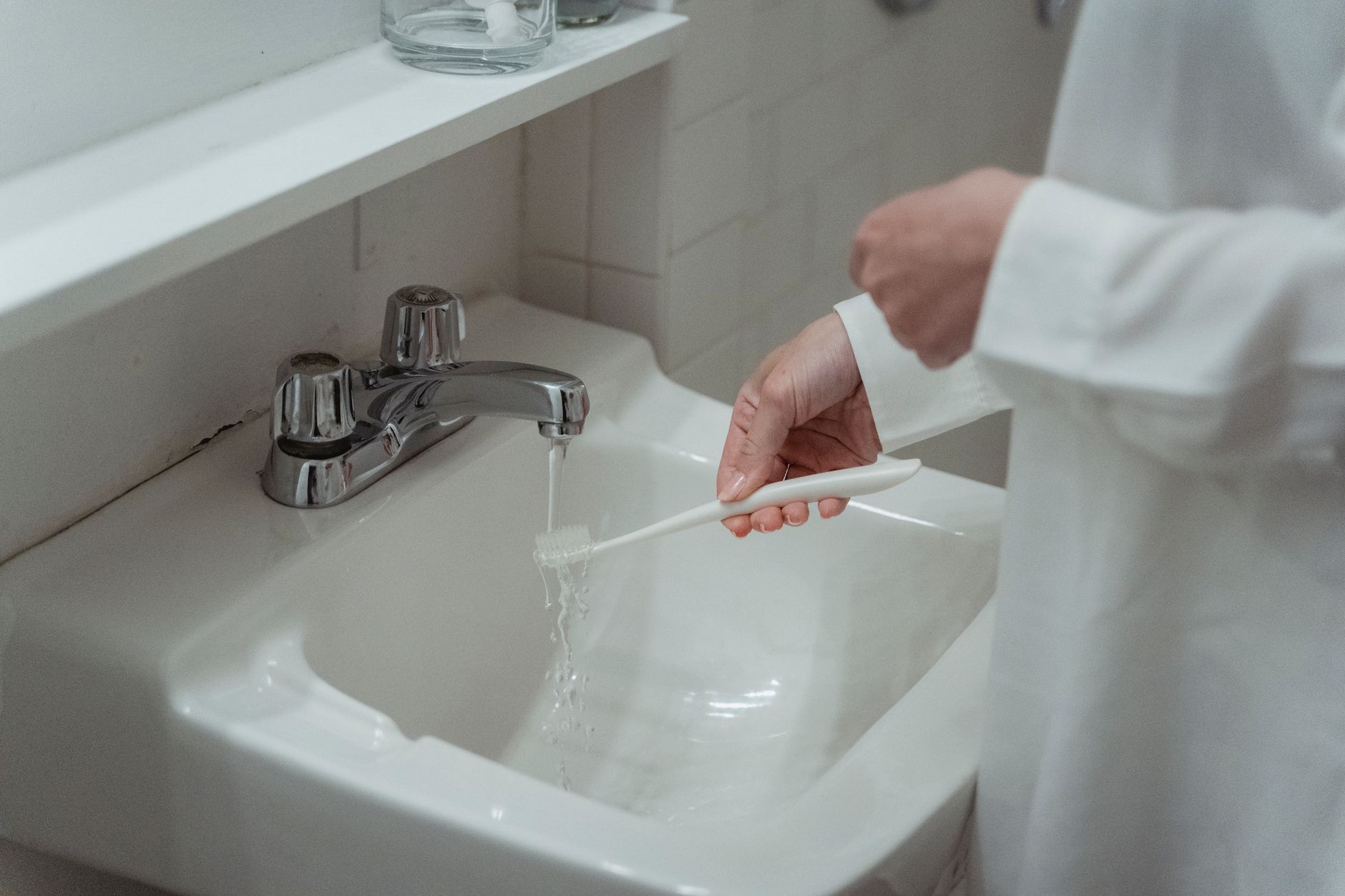
Denture maintenance means cleaning your dentures every day with a soft brush and a mild cleanser, rinsing them after meals, soaking them overnight in water or solution, and seeing a dental professional once a year. Done consistently, this routine prevents infection, protects the fit and helps most dentures last several years.
Your dentures do a lot of work, from chewing dinner to keeping your smile confident. Yet many wearers are never shown a clear care routine, so small habits slip and problems build up. Keeping dentures clean, comfortable and long-lasting comes down to a few simple steps anyone can do at home.
Why daily care protects your health
Dentures collect plaque, stains and tartar the same way natural teeth do. Left in place, this buildup can cause sore, inflamed gums and a common infection called denture stomatitis.
Good care is about more than appearance. According to guidance that dentures should be cleaned daily by soaking and brushing, a steady routine reduces the bacteria and fungi that can irritate the mouth.
Even if you have no natural teeth left, brush your gums, tongue and palate every day with a soft brush or damp gauze. This removes bacteria and keeps the tissue under your dentures healthy.
How to clean dentures every day
A good cleaning habit takes only a few minutes and does most of the work over the life of your dentures.
Rinse after every meal
Take your dentures out and rinse them under cool water after eating to wash away food. This quick step keeps particles from hardening into stubborn deposits between full cleanings.
Brush every surface once or twice a day
Use a soft denture brush and a gentle, non-abrasive cleanser. Brush the teeth, the pink base and the surfaces that rest on your gums. If you use adhesive, clean out the grooves so no residue is left.
A simple daily routine:
- rinse the dentures under cool water first;
- brush all surfaces with a soft brush and a mild cleanser;
- rinse again and check for cracks or worn teeth;
- brush your gums, tongue and palate before putting the dentures back in.
Products and habits to avoid
The wrong products quietly damage dentures and shorten their life. Avoid:
- whitening or regular toothpaste, which scratches the acrylic;
- hot or boiling water, which warps the shape and ruins the fit;
- the dishwasher;
- glue or home repairs on a cracked denture.
Overnight storage that keeps dentures in shape
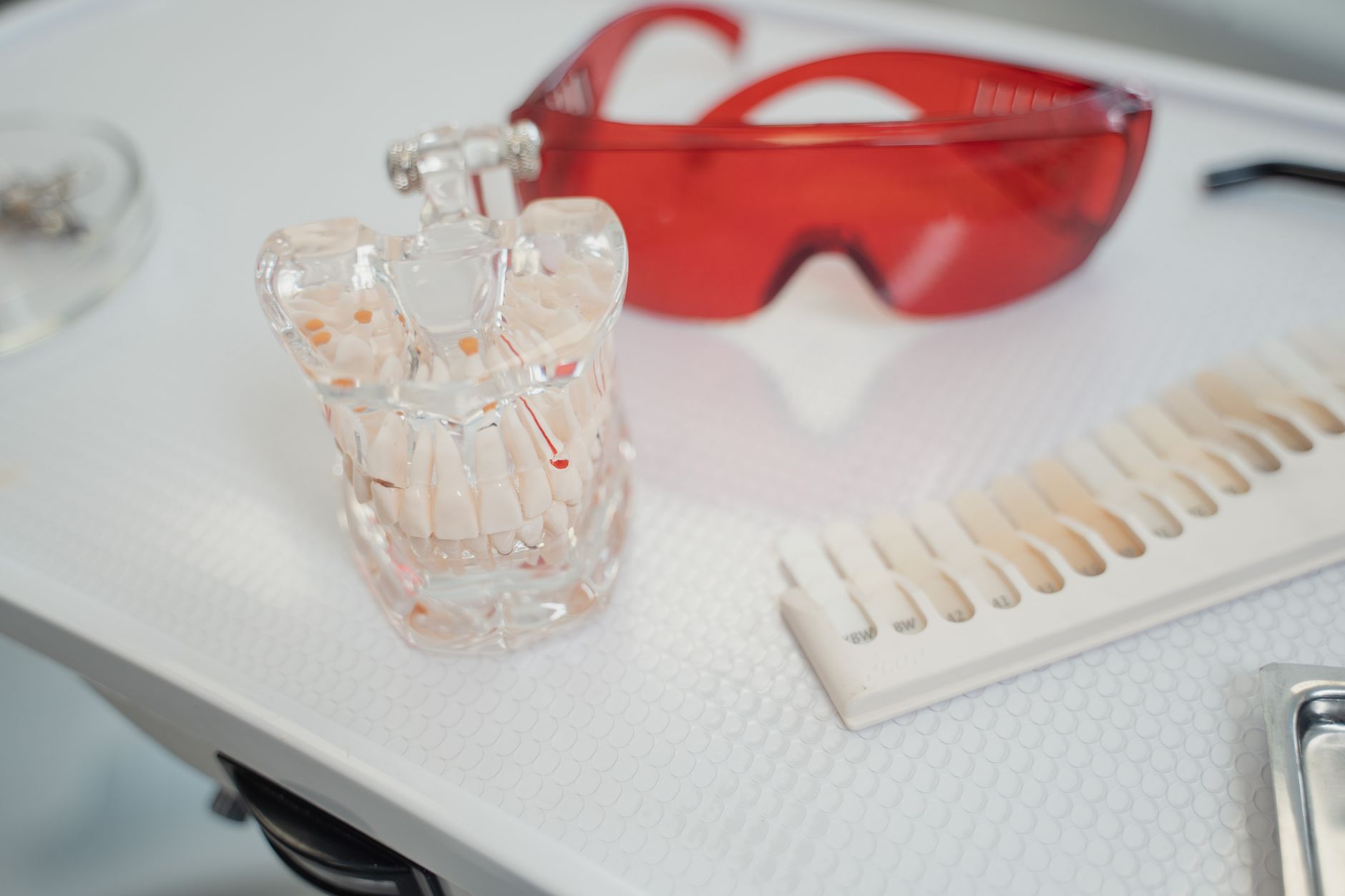
Most dentures need to stay moist to keep their shape. Leaving them to dry on a counter is one of the fastest ways to ruin the fit.
Dental experts recommend soaking dentures overnight in water or a mild denture solution so the material stays flexible and keeps its shape. Never soak them in hot water, since heat can warp the base for good.
Taking your dentures out for several hours each night, usually while you sleep, also lets your gums rest and recover. Keep them in a clean, closed container, and put a folded towel in the sink when you handle them so a drop doesn't crack them.
A quick professional check can catch fit problems long before they cause sore spots or cracks. It only takes a few minutes to book an appointment and have a trained team check that your dentures still sit securely.
How long dentures last with good care
With good daily care, most dentures last about five to ten years before they need a reline or replacing. It depends a lot on your habits, the type of denture and how quickly your mouth changes.
Because the bone under the gums slowly shrinks, the fit gradually loosens even when the denture still looks perfect. A steady maintenance schedule keeps small changes from turning into painful problems.
| Task | How often | Why it matters |
|---|---|---|
| Rinse dentures | After every meal | Clears loose food and debris |
| Brush all surfaces | Once or twice daily | Removes plaque and biofilm |
| Soak overnight | Every night | Preserves the shape and rests the gums |
| Professional cleaning | Yearly | Removes tartar home brushing cannot reach |
| Reline or fit check | Every couple of years | Restores comfort as the mouth changes |
Signs your dentures need professional attention:
- the denture rocks, slips or clicks when you chew or speak;
- sore spots or irritation that don't settle after an adjustment;
- you need more and more adhesive to keep it in place;
- visible cracks, worn teeth or a change in colour.
When to get professional help
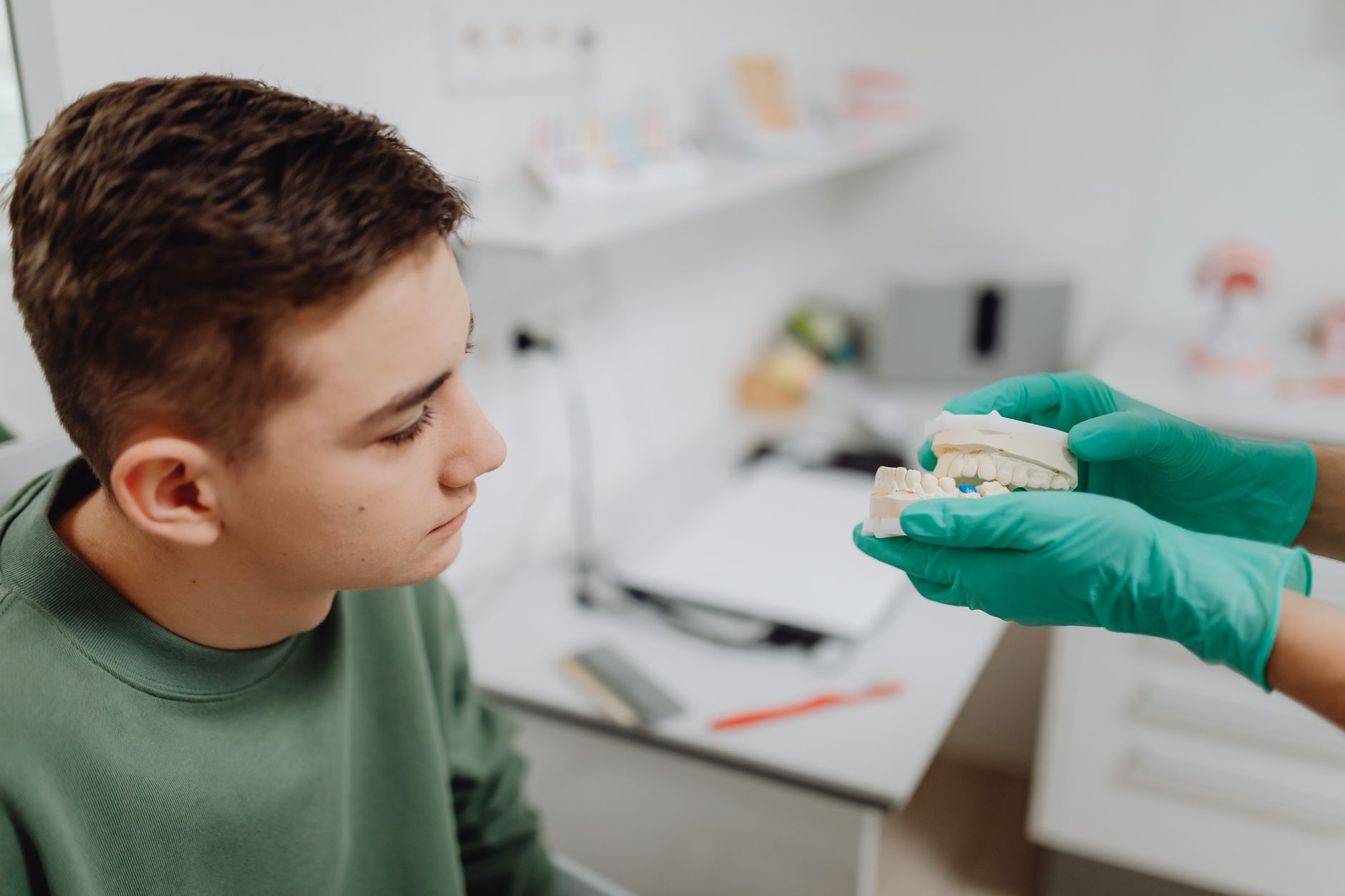
Home care is essential, but it can't do everything. A dental professional uses ultrasonic cleaning and polishing to remove tartar and stains no home brush can reach, and checks that the denture still fits securely.
Plan on routine dental checkups at least once a year, even if you have no natural teeth. At these visits, the team can spot early looseness and plan a reline before sore spots appear.
If a denture cracks, chips or suddenly stops fitting, don't try to fix it yourself. Prompt same-day denture repairs protect both the denture and your gums, and a skilled team can restore a comfortable fit far more safely than any drugstore kit.
If you are thinking about a new or upgraded denture, it is worth looking at today's custom dental prostheses, since newer materials and implant support can add years of stable, comfortable wear.
In short
Good denture maintenance is a few small habits repeated with care: daily cleaning, gentle products, overnight soaking and a yearly professional check. Together they protect your oral health, keep the fit right and make your dentures last longer. When something feels loose, worn or uncomfortable, don't wait for it to get worse: contact a qualified team.
Frequently asked questions
What does denture care involve day to day?
A few simple habits. Rinse your dentures after every meal, brush all surfaces once or twice a day with a soft brush and a mild cleanser, and soak them overnight in water or solution so they keep their shape. Brush your gums and tongue too, and see a dental professional every year for a thorough cleaning, a fit check and early advice on any repairs.
How often should I clean my dentures?
At least once a day, and ideally rinse them after every meal. Take them out, brush every surface with a soft denture brush and a mild, non-abrasive cleanser, then rinse well. Soak them overnight in a mild solution or plain water. Once a year, book a professional cleaning: a dental team can remove tartar and stains that home brushing can't reach.
Can I use regular toothpaste on my dentures?
No. Regular and whitening toothpastes are too abrasive for denture acrylic and leave tiny scratches where stains and bacteria collect. Use a mild denture cleaner, gentle hand soap or dish soap with a soft denture brush instead. Avoid hot water too, since heat can warp the material and ruin the fit. When in doubt, choose a cleanser evaluated for safety by a recognized dental authority.
How long do dentures last before they need replacing?
With good care, most dentures last several years before they need a reline or replacing. Your mouth keeps changing as the bone slowly shrinks, so the fit loosens over time even when the denture still looks fine. Plan a professional fit check every couple of years, and replace the denture when it becomes loose, worn or keeps being uncomfortable despite adjustments.