

Bleeding gums are common and often harmless in the short term, but they are usually an early sign of gum inflammation caused by plaque. Occasional bleeding after a new flossing habit can be normal, yet bleeding that lasts more than one to two weeks means you should see a dentist.
Seeing pink in the sink after brushing is unsettling, and bleeding gums are one of the most searched oral health worries in Canada. The good news is that most cases are early, reversible, and manageable at home. This guide explains what the bleeding really means, the common triggers behind it, and the exact moment professional care becomes the smart move.
What bleeding gums actually mean for your mouth
Healthy gums are firm, pale pink, and do not bleed when you clean them. When gums bleed, it is almost always because a sticky film of bacteria called plaque has collected along the gumline and irritated the soft tissue underneath.
This early, plaque driven irritation is known as gingivitis. Gums may look red or puffy and bleed a little during brushing, without being painful. Because it rarely hurts, many people ignore it for months.
The key point is that gingivitis is reversible. Catch it early, remove the plaque properly, and the gums return to full health. Left alone, the inflammation can slowly advance toward periodontitis, a deeper infection that damages the bone anchoring your teeth. According to the Canadian Dental Association, prevention is the key defence against gum disease at every stage.
Common causes of bleeding gums
Plaque is the leading trigger, but it is not the only one. Understanding the cause helps you decide whether to adjust your routine or book a visit. The Canadian Dental Association notes that several risk factors can make gums bleed more easily.
Frequent reasons behind red, swollen, or bleeding gums include:
- Plaque and tartar buildup along the gumline, the most common cause
- Brushing too hard or using a stiff, worn toothbrush
- Starting a new flossing routine, which may bleed briefly for about a week
- Hormonal changes during pregnancy, often called pregnancy gingivitis
- Smoking or chewing tobacco, which mask and worsen gum problems
- Certain medications, including blood thinners
- Health conditions such as diabetes, and family genetics
The American Dental Association confirms that everyday habits like brushing too hard or a new flossing routine can cause harmless, short term bleeding that fades on its own.
Bleeding gums when brushing versus flossing
Gums bleeding when brushing usually point to plaque irritation or too much pressure. Ease off, and switch to a soft bristled brush held at a gentle angle to the gumline.
A little blood when you restart flossing is different. Inflamed tissue reacts the first few days, then calms down as the area gets cleaner. If flossing still draws blood after a week or two, the inflammation runs deeper than home care can fix alone.
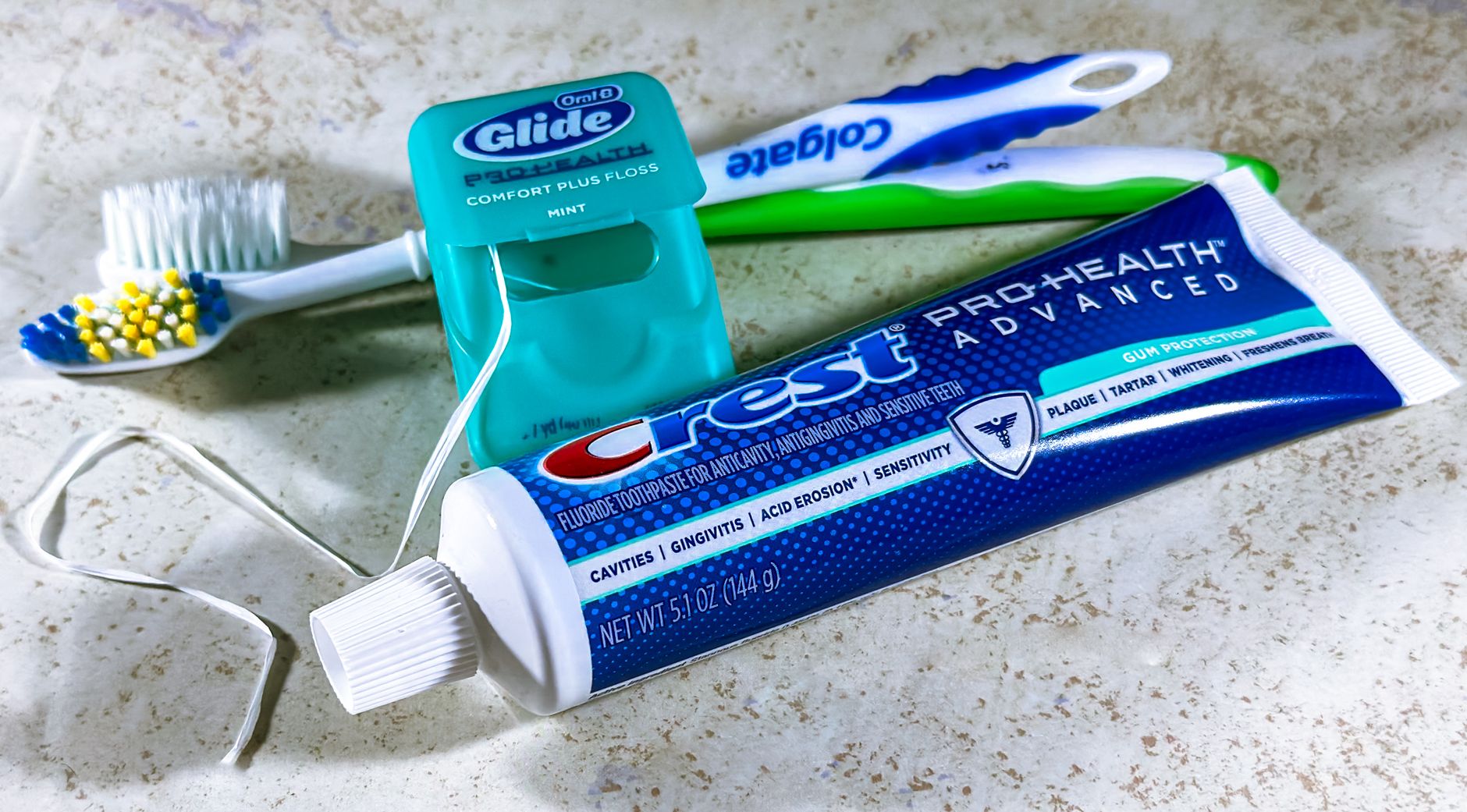
When are bleeding gums considered normal
Some bleeding is nothing to worry about. It is generally reasonable to wait and watch when the bleeding is light, short lived, and clearly linked to a change in your routine.
Situations that are usually normal include the first week of a new flossing habit, mild tenderness after switching toothbrushes, or slightly more sensitive gums during pregnancy. In these cases, keep your hygiene gentle and consistent.
The rule of thumb is simple. Improve your brushing and flossing, then give your gums one to two weeks. Healthy gums respond quickly to good care and stop bleeding on their own.
When should you see a dentist for bleeding gums
If bleeding gums persist beyond two weeks of solid home care, it is time for professional help. Persistent bleeding means plaque has likely hardened into tartar, which no toothbrush can remove. Only a trained clinician can clean it away and reset your gum health.
Book an appointment sooner if you notice any of the warning signs below.
| Sign you notice | What it may mean | Recommended action |
|---|---|---|
| Bleeding lasting more than two weeks | Gingivitis or early periodontitis | Schedule a checkup and cleaning |
| Swollen, tender, or receding gums | Active gum inflammation | See a dentist soon |
| Persistent bad breath or bad taste | Bacteria trapped under the gumline | Professional assessment needed |
| Loose adult teeth | Advanced gum disease | Prompt dental visit |
| Heavy bleeding with pus, pain, or fever | Possible infection | Seek urgent dental care |
Persistent gum bleeding rarely fixes itself once tartar forms. Booking a professional cleaning and a checkup lets a trained team catch early gum disease before it starts affecting the bone that holds your teeth in place.
A thorough routine dental exam allows the clinician to measure gum pockets, check for tartar, and spot problems you cannot see. A follow up professional dental cleaning then removes the hardened buildup that keeps the gums inflamed.

How to stop and prevent gum bleeding at home
Prevention costs far less than treatment, and the daily habits are straightforward. The goal is to disrupt plaque before it can harden and irritate the gums.
Practical steps that keep gums healthy include:
- Brush at least twice a day and floss once every 24 hours, using gentle technique
- Use a soft bristled toothbrush and replace it when the bristles splay
- Clean along the gumline, not just the flat surfaces of the teeth
- Limit smoking, which hides and worsens gum problems
- Keep up regular checkups and cleanings, even when nothing hurts
Families benefit from starting these habits early, and preventive dental care for children sets up a lifetime of healthy gums. Ongoing general and family dentistry care ties the daily routine together with professional support.
Conclusion
Bleeding gums are a signal, not a verdict. Most of the time they reflect early, reversible gingivitis that gentle brushing, daily flossing, and patience will resolve within a couple of weeks. When the bleeding lingers, spreads, or comes with swelling, pain, or loose teeth, that is your cue to act. Booking a checkup and cleaning is the reliable way to stop bleeding gums, remove hidden tartar, and protect the healthy smile you want to keep for years.
Frequently asked questions
Are bleeding gums always a sign of gum disease?
Bleeding gums are not always a sign of gum disease, but they are the most common early warning. Short lived bleeding can follow a new flossing routine, aggressive brushing, or hormonal changes during pregnancy. Bacteria in plaque along the gumline remain the usual culprit. If the bleeding keeps returning for more than one or two weeks despite better hygiene, book a professional dental assessment promptly.
Why do my gums bleed when brushing or flossing?
Gums usually bleed when brushing or flossing because plaque has built up along the gumline and irritated the soft tissue. When you finally clean that area, the inflamed tissue reacts and bleeds. Brushing too hard with a stiff brush can also injure healthy gums. Switch to a soft bristled brush, keep flossing gently every day, and the bleeding often settles within a week or so.
Can swollen gums heal on their own?
Mild swollen gums caused by early gingivitis can improve on their own once you remove the plaque triggering the inflammation. Brush twice daily, floss once a day, and rinse well. If the swelling, redness, or bleeding does not fade within one to two weeks, the buildup has likely hardened into tartar. Only a professional cleaning can remove tartar, so an appointment becomes necessary at that point.
When are bleeding gums a dental emergency?
Most bleeding gums are not an emergency, yet some signs demand fast attention. Seek urgent dental care if the bleeding is heavy and will not stop, or if it comes with pus, fever, severe pain, or rapidly swelling gums. These point to active infection. Loose adult teeth or gums pulling away from the teeth also warrant a prompt visit rather than watchful waiting at home.