
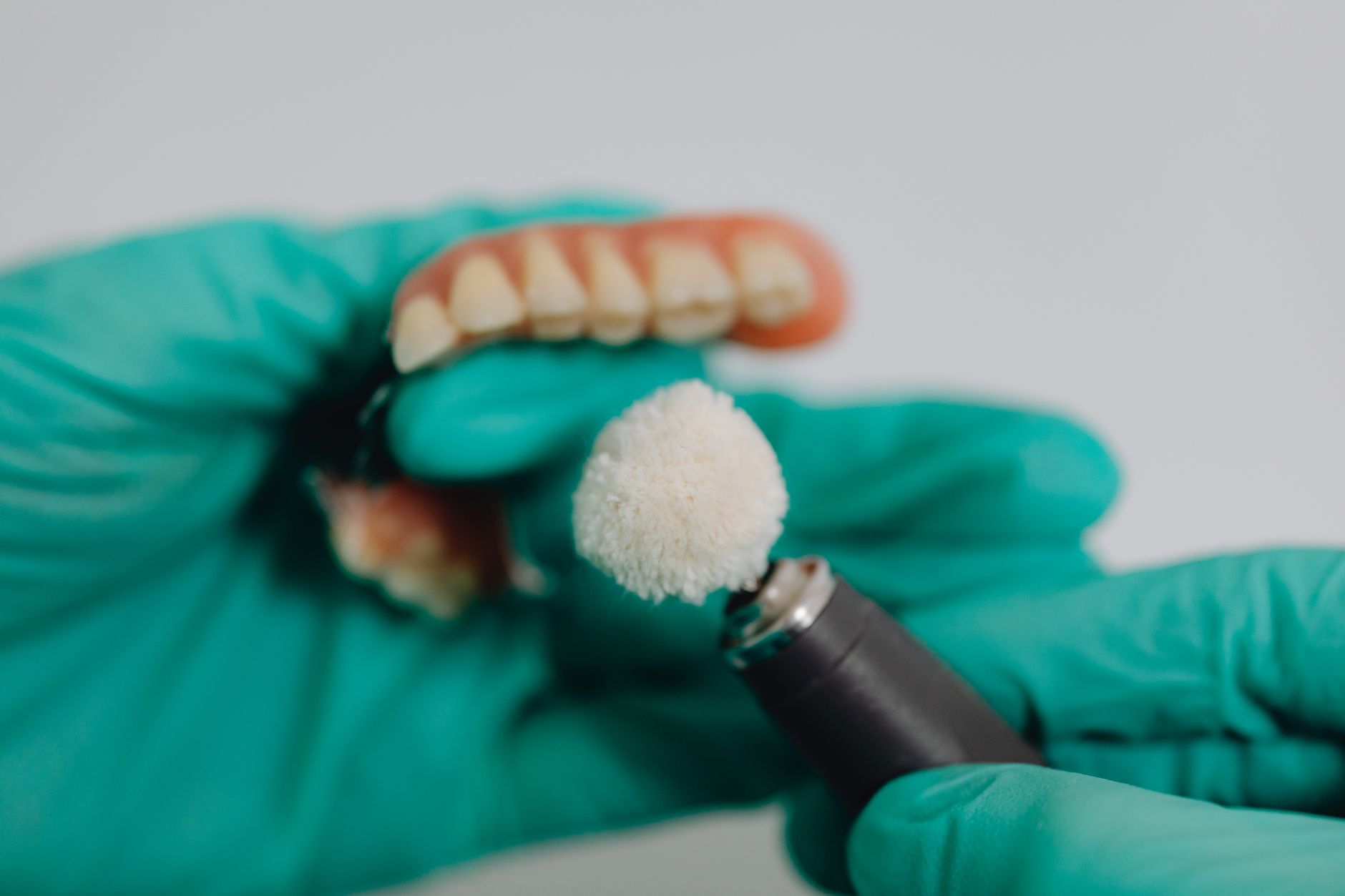
Choosing between a complete or partial denture depends mainly on how many teeth you still have. A complete denture replaces a full arch of missing teeth, while a partial denture fills gaps and clips onto healthy remaining teeth. Your budget, oral health and comfort guide the final decision.
Losing several teeth, or all of them, changes daily life in ways most people never expect. Eating a favourite meal, laughing without hesitation, or speaking clearly at work can suddenly feel like a challenge. The good news is that modern tooth replacement has come a long way, and a well-fitted denture can restore both function and confidence. Still, one question stops many patients before they even start: should you go with a full set or a partial one? This guide breaks down the real differences, the factors that matter most, and how to make a choice you will be comfortable with for years.
Understanding a Complete or Partial Denture
A denture is a custom removable appliance that replaces missing teeth and the surrounding tissue. As the Canadian Dental Association explains, there are two main types, and the right one depends on how much of your natural smile is still in place. Both start the same way, with impressions or a 3D digital scan used to build a model of your mouth, but they solve very different problems.
What a complete denture replaces
A complete, or full, denture is designed for an arch with no remaining natural teeth. It sits directly on the gums and rebuilds an entire upper or lower row at once. Because the appliance spreads chewing pressure evenly across the whole ridge, many people find it surprisingly stable once the mouth adapts. A full set also supports the lips and cheeks, which helps prevent the sunken facial look that often follows total tooth loss.
What a partial denture replaces
A partial denture is the answer when you still have healthy teeth worth keeping. Artificial teeth are set into a base and held in place by clasps or a discreet framework that grips your existing teeth. It fills the gaps, stops the remaining teeth from drifting, and lifts out for cleaning. Materials range from acrylic to slim metal frameworks and flexible, clasp-free designs, so there are many custom-made denture options to match comfort and appearance.
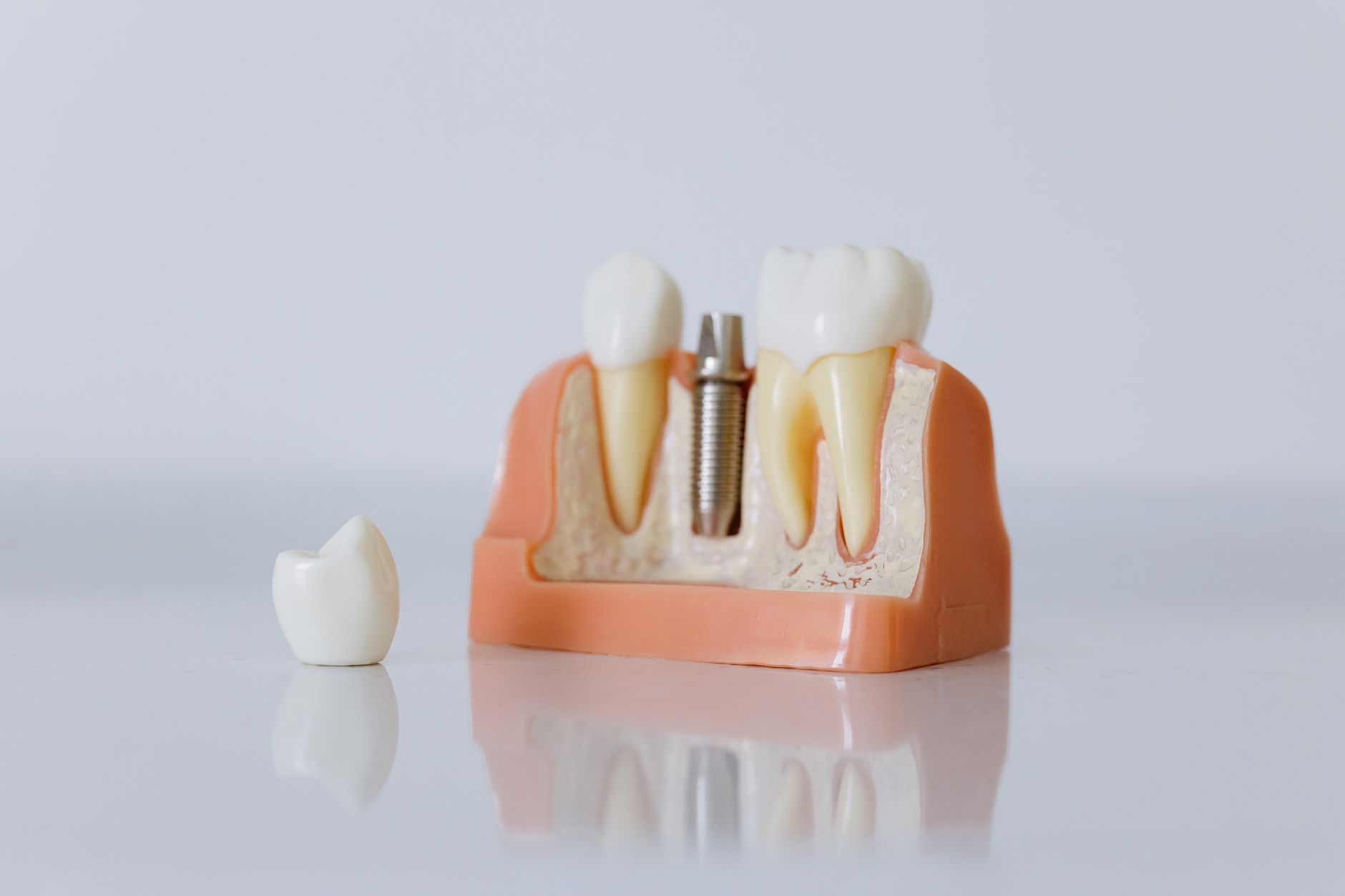
How to Choose the Right Denture for Your Smile
The decision rarely comes down to a single factor. A dentist weighs several elements together before recommending one path over another. Understanding them ahead of your appointment makes the conversation easier and helps you feel in control.
The number of missing teeth
This is the starting point. If every tooth in an arch is gone or beyond saving, a complete denture is usually the logical choice. If you are only missing a few teeth, or several scattered ones, a partial denture preserves what remains and is often the more conservative option.
The health of your remaining teeth
Partial dentures rely on neighbouring teeth for support, so those teeth and their gums need to be strong. When remaining teeth are decayed, loose, or unlikely to last, a dentist may recommend removing them and moving to a full set instead. A careful exam and X-rays reveal what the surface cannot.
Comfort budget and lifestyle
Cost, maintenance, and daily habits all shape the final call. Some patients prefer the even pressure of a full appliance, while others want to protect natural teeth at all costs. Consider the following when you weigh your options:
- How many natural teeth are healthy enough to keep
- Whether nearby teeth can support clasps without strain
- Your comfort with removing and cleaning the appliance daily
- Your budget and any private or public coverage
- How quickly you want to restore a full smile
Not sure which path matches your mouth and your goals? A short in-person exam with a dental professional will clarify far more than any online guide. Book a consultation to get a personalized recommendation before you decide.
Comparing Cost Comfort and Care
Both appliances restore chewing and speech, but they differ in price, upkeep, and how they feel day to day. The table below sums up the practical trade-offs.
| Factor | Complete denture | Partial denture |
|---|---|---|
| Best for | A full arch of missing teeth | A few or several missing teeth |
| Support | Rests on the gum ridge | Clasps onto remaining teeth |
| Upfront cost | Usually higher | Usually lower |
| Cleaning | Removed and soaked daily | Removed, plus care around natural teeth |
| Effect on natural teeth | No natural teeth remain to protect | Helps stop remaining teeth from shifting |
| Adjustments | Relining as the gums change | May need more fixes as teeth change |
Money matters, and it should not be a barrier. Eligible residents without private insurance may receive help through the Canadian Dental Care Plan, which covers a portion of the lab and professional fees for both full and partial appliances, with clear rules on replacement timing and preauthorization. If an appliance cracks or a clasp breaks, same-day emergency repairs are often possible, so a mishap rarely leaves you without teeth for long.
When Dental Implants Change the Decision
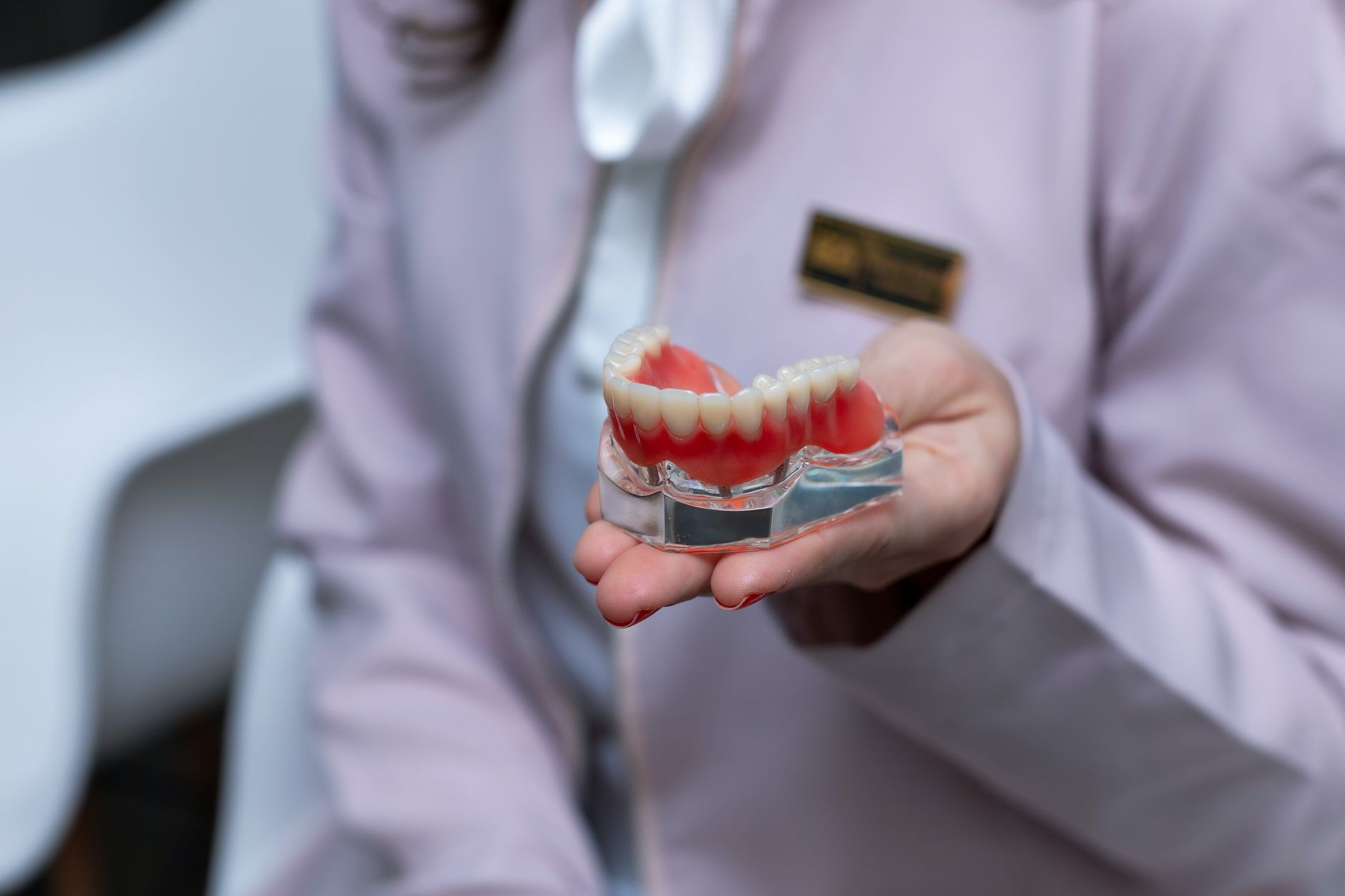
For some patients, the question is not only between a complete or partial denture, but whether to anchor that denture to implants. An implant-supported denture uses a small number of titanium posts, often two to six, to lock the appliance firmly in place. This adds stability, protects the jawbone, and removes the worry of slipping while eating or speaking. It costs more upfront, yet many patients find the long-term comfort worth it. If a loose fit or bone loss is a concern, ask about stabilizing dentures with implants during your assessment.
Conclusion
Choosing between a complete or partial denture comes down to how many teeth you still have, the health of what remains, and the comfort and budget that fit your life. A complete denture rebuilds a full arch, while a partial denture protects healthy teeth and fills the gaps between them. Neither is universally better, only better for a specific mouth. The smartest next step is a professional exam that maps your options to your goals. Reach out to a local dental team to review your smile and build a plan that feels right for you.