The denture price in Quebec generally ranges from about $618 to $2,177 per arch for a complete acrylic denture, and from $490 to $1,519 for a cast partial. Implant-supported options start near $10,000 per arch. Because fees are unregulated here, a written quote after an oral exam confirms your real, personalized cost.
Losing teeth is stressful enough without the added worry of an unpredictable bill, and the denture price in Quebec is one of the first questions most patients ask. The challenge is that no two mouths, and no two estimates, are ever identical. This guide breaks down what you can realistically expect to pay in 2026, what pushes those numbers up or down, and how public and private coverage fits into the picture.
What Determines the Denture Price in Quebec in 2026
Several factors move the final figure well before you sit in the chair. The biggest driver is the type of prosthesis you need, followed by the materials, the amount of lab work, and the overhead of the clinic you choose. Since prices are set freely by each professional across the province, comparing two or three estimates is smart practice rather than a sign of distrust.
The type of denture you need
A simple acrylic plate replacing a full arch sits at the affordable end. A precision partial with a chrome-cobalt frame, or a full-mouth reconstruction anchored on implants, sits at the premium end. The professional authorized to design and fit dentures will recommend the option that matches your bone structure, your remaining teeth, and your budget.
Materials, lab work and craftsmanship
Standard acrylic resin costs less than premium resin, and porcelain teeth cost more than composite ones. Metal frameworks, digital scanning, and multiple try-in visits all add value and refinement, but they also raise the total. The upside is a better fit, a more natural look, and a prosthesis that lasts longer before it needs relining or replacement.
Common cost factors include:
- The number of arches treated, one or both
- Acrylic versus metal-framework or flexible construction
- Porcelain versus composite resin teeth
- Whether implants are added for stability
- Repairs, relines, and follow-up visits included in the quote
Denture Cost Ranges by Type for 2026
Numbers help set expectations, even if only an exam confirms your case. According to a 2026 Canadian denture cost analysis, indicative per-arch ranges look like this.
| Denture type | Typical material | Indicative price per arch (2026) |
|---|---|---|
| Complete denture | Acrylic resin | $618 to $2,177 |
| Partial denture | Cast metal framework | $490 to $1,519 |
| Implant-supported denture | Acrylic or hybrid on implants | $10,000 and up |
Treat these as starting points, not fixed rates. Regional variation, lab fees, and clinic overhead explain why two quotes for the same treatment can differ by hundreds of dollars.
Complete, Partial and Implant-Supported Dentures Compared
Choosing between the three main solutions is really a balance of comfort, longevity, and cost. Each answers a different clinical situation, so the right pick depends on how many teeth remain and how much stability you want.
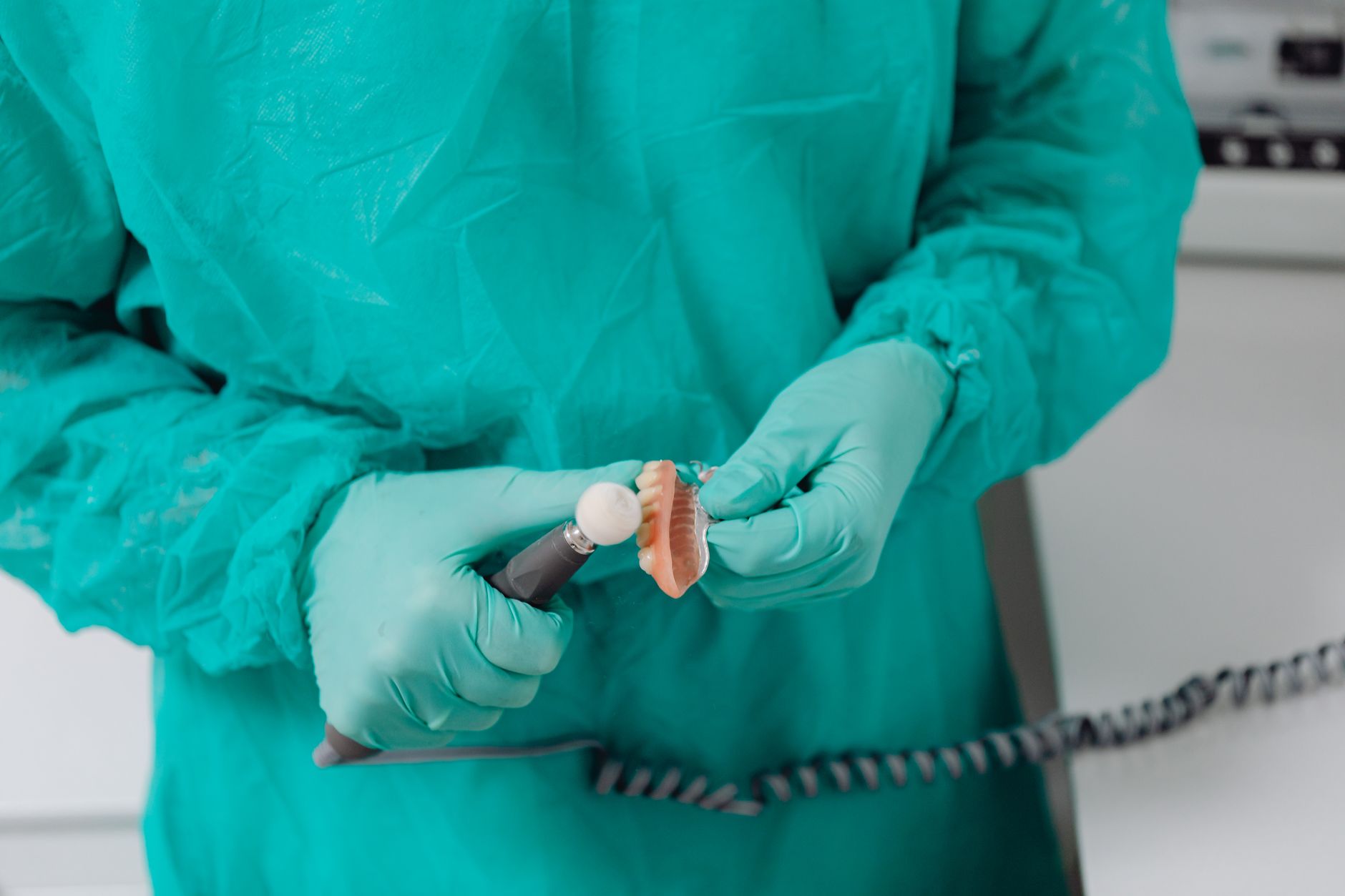
Complete dentures replace an entire arch and rest on the gums. They are the most budget-friendly path back to a full smile and remain the most common choice after total tooth loss. Partial dentures fill gaps while preserving healthy natural teeth, using clasps or a discreet metal frame to stay in place.
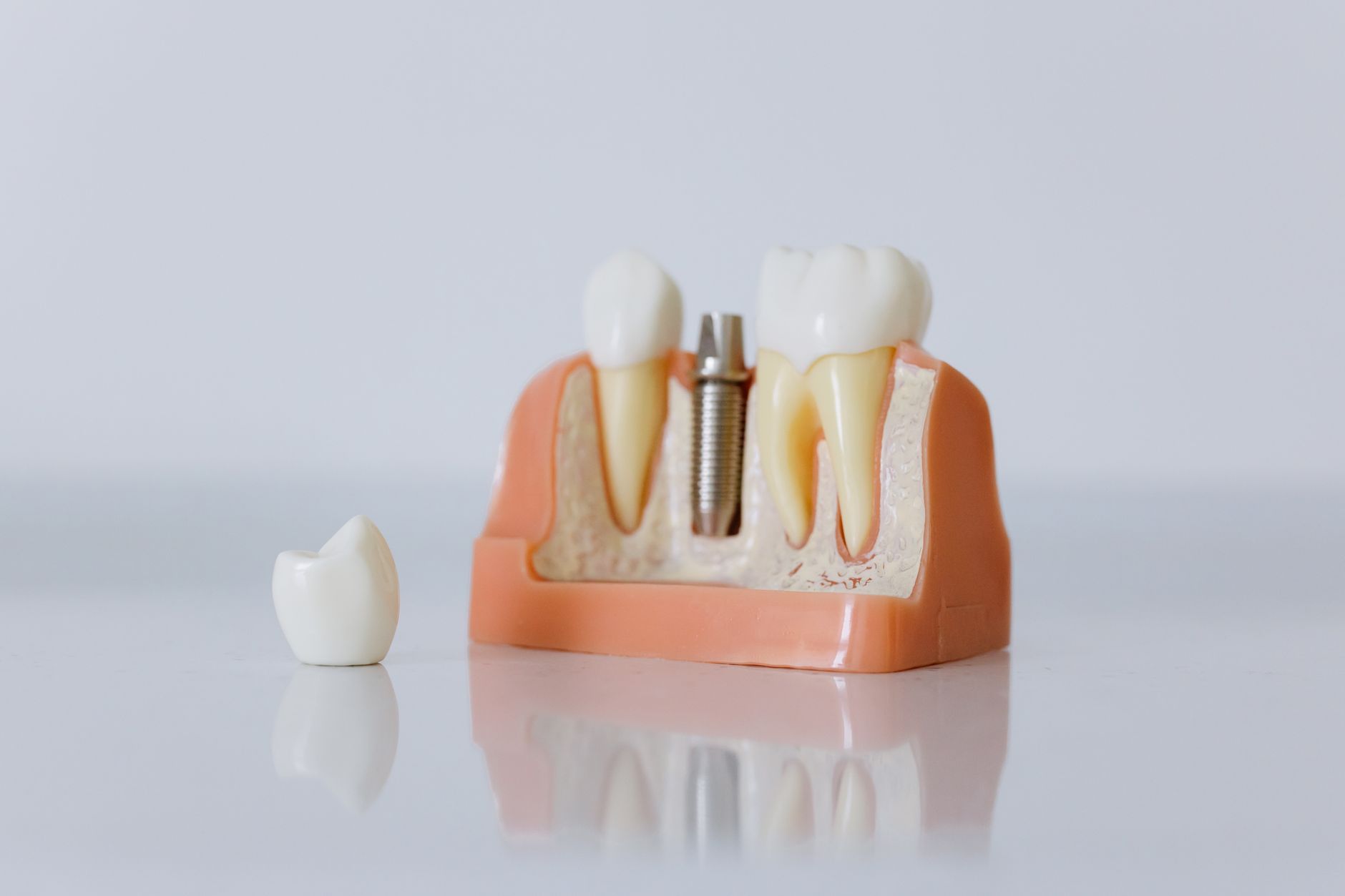
Implant-supported dentures snap onto or are fixed on two to four implants for a far more secure bite. If you want to explore implant-supported denture solutions, expect a higher upfront figure in exchange for stronger chewing power and slower bone loss over the years.
Whichever route you take, the value of custom denture and prosthesis options lies in the fit. A well-adjusted prosthesis feels stable, speaks clearly, and does not slip during meals, which is exactly what separates a good result from a frustrating one.
Booking an assessment is the only way to turn a broad price range into a firm number tailored to your mouth. Take a moment to request a personalized denture assessment and a transparent written estimate before you commit to any treatment plan.
How RAMQ, the CDCP and Private Insurance Change Your Cost
Coverage can shrink your out-of-pocket total, but only if you qualify. For the vast majority of adults, RAMQ only covers acrylic dentures for financial-assistance recipients, and never implant or metal-framework prostheses. Everyone else relies on other sources to lower the bill.
The federal program is often the game changer. It covers complete and partial removable dentures under the Canadian Dental Care Plan for eligible residents, while implant-supported overdentures and the surgery itself stay excluded. Private and group insurance plans, where available, typically reimburse a percentage of standard denture fees up to an annual maximum.
Before treatment starts, confirm three things:
- Whether your provider participates in the federal plan
- What percentage your private insurance reimburses
- Which parts of the quote, if any, you pay yourself
How to Get an Accurate Written Quote
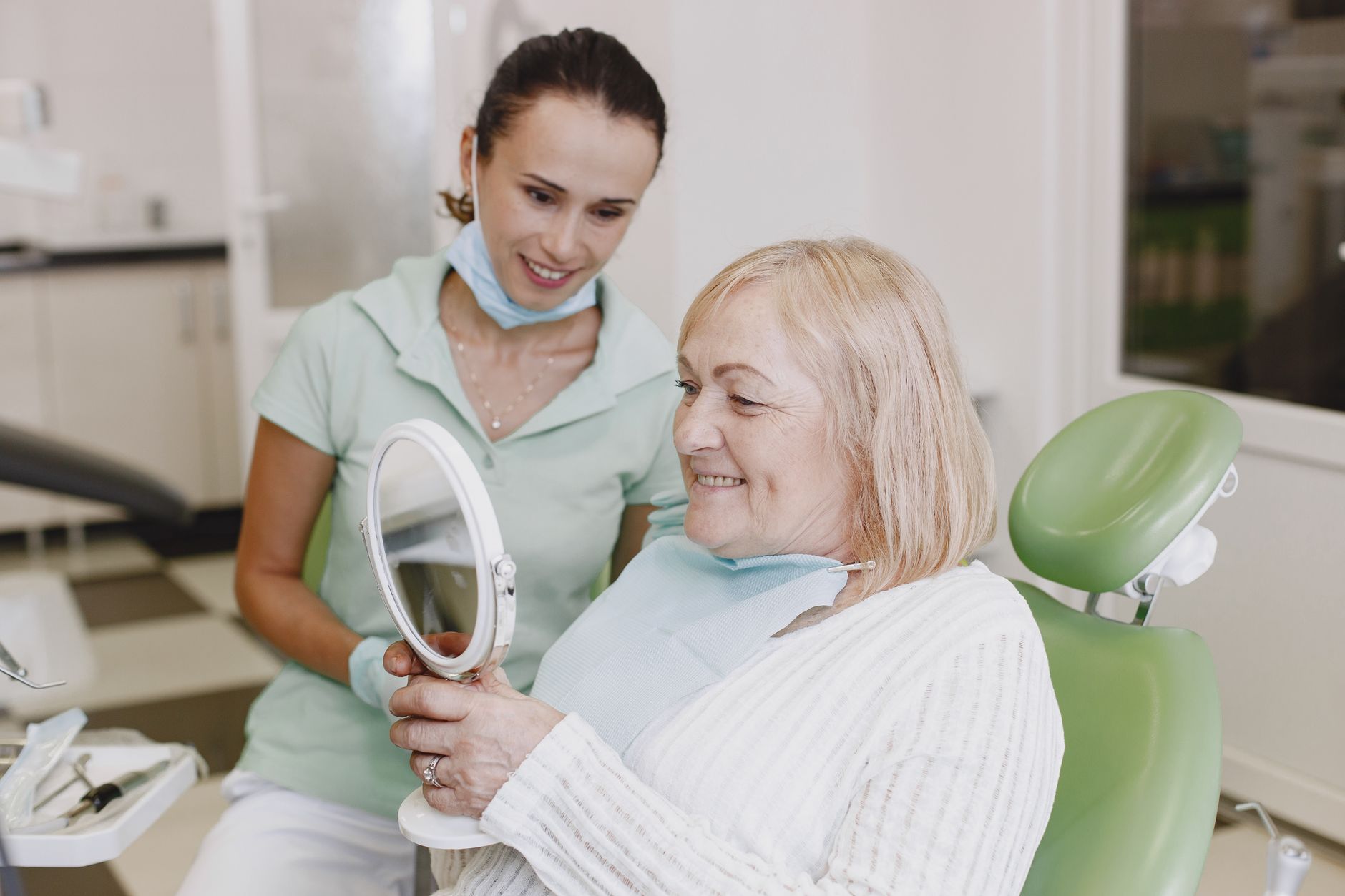
A reliable estimate always follows a hands-on examination, never a phone guess. Ask each clinic to itemize the prosthesis, the lab work, adjustments, and the warranty so you compare like with like. If a denture cracks or a clasp fails between visits, look for a clinic that also offers same-day help for a broken denture, because downtime without teeth is worth avoiding.
Smart questions to ask before you sign:
- Are follow-up visits and first-year adjustments included?
- What warranty covers the prosthesis?
- Is a payment plan available?
- How many years before a replacement is expected?
Conclusion
Planning for a new smile starts with realistic numbers, and the denture price in Quebec in 2026 spans everything from an affordable acrylic set to a premium implant-supported solution. Type, materials, coverage, and clinic overhead all shape the final total, so the smartest move is never to shop on price alone. A detailed exam and a transparent written estimate protect both your budget and your comfort. Compare a few quotes, confirm what the warranty and follow-up visits include, and choose the option that fits your mouth and your finances. When you are ready, book a professional assessment and request a personalized quote before making any final decision.
Frequently Asked Questions
What is the average denture price in Quebec in 2026?
The average denture price in Quebec in 2026 depends heavily on the type you choose. A complete acrylic denture usually falls between about $618 and $2,177 per arch, while a cast partial ranges from roughly $490 to $1,519. Implant-supported versions climb to $10,000 or more per arch. Because clinic fees are unregulated across the province, only a written estimate after a hands-on oral examination reveals your true figure.
Are dentures covered by RAMQ in Quebec?
For most adults, no. RAMQ generally covers acrylic complete or partial dentures only for people who have received last-resort financial assistance for at least 24 consecutive months, and never for implant or metal-framework prostheses. Every other resident relies on private or group insurance, the federal dental plan, or out-of-pocket payment. Confirming your specific eligibility with a clinic before treatment prevents unpleasant surprises when the invoice arrives at the end.
How long do dentures last before they need replacing?
Most removable dentures last several years before the fit loosens and the materials wear down, largely because the jawbone slowly changes shape after tooth loss. Public and private plans often set replacement windows of roughly five to eight years per arch, with relines available sooner to restore comfort. Regular check-ups catch problems early, and a well-maintained prosthesis frequently outlasts the minimum guarantee period offered at delivery time.
Why is an implant-supported denture so much more expensive?
An implant-supported denture costs more because it combines surgery, hardware, and a custom prosthesis rather than resting on the gums alone. Each titanium implant, the abutments, the healing period, and the final overdenture add to the total, which is why figures reach $10,000 or more per arch. The trade-off is superior stability, stronger chewing power, and slower bone loss, benefits that many patients find justify the higher upfront investment involved.