
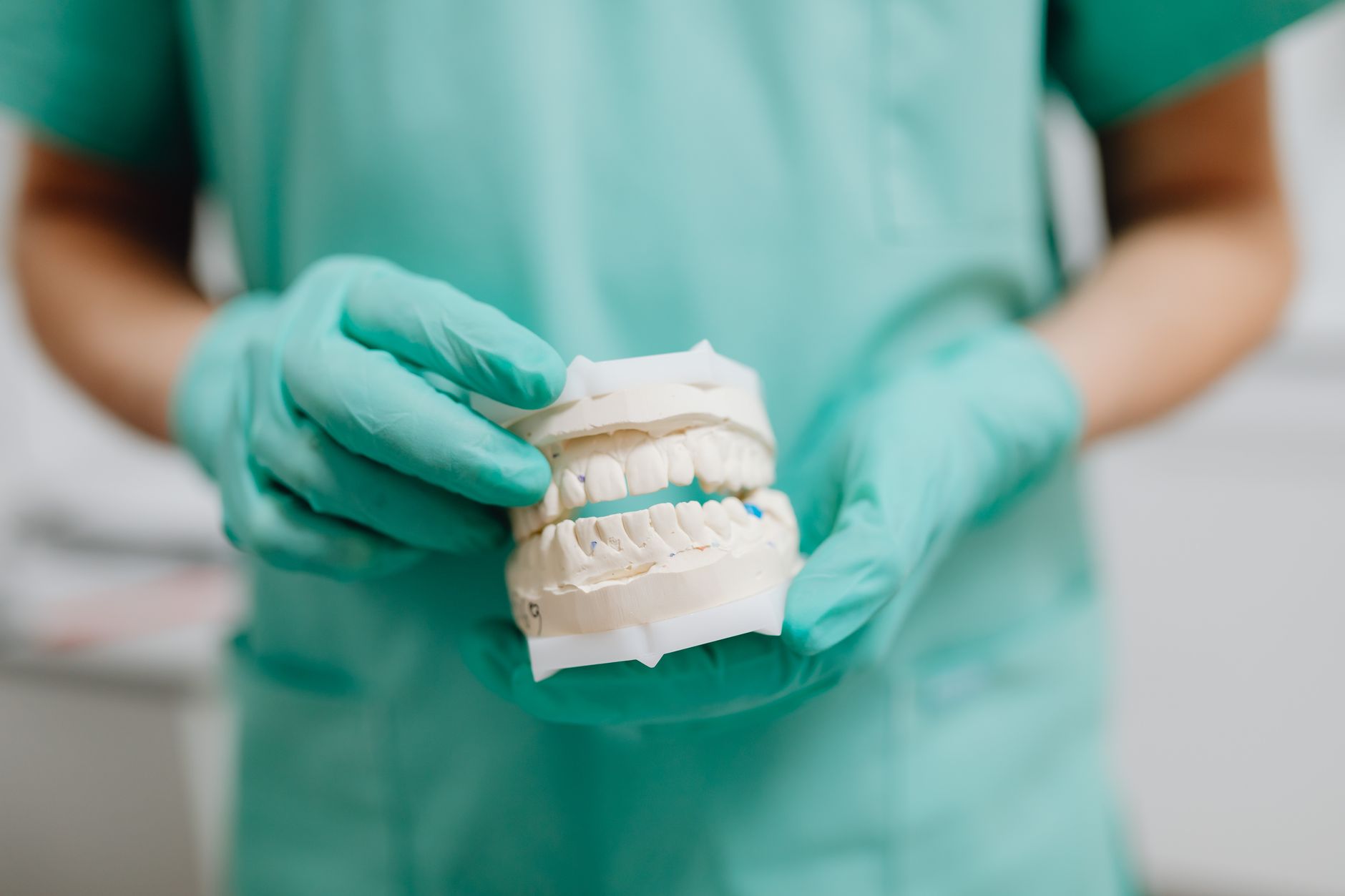
A flexible nylon partial denture is best for people missing one or a few teeth who want a lightweight, metal-free replacement. It suits patients with metal allergies, sensitive gums, or tilted teeth who value comfort and a discreet look, but not those needing full-arch restoration.
Losing a tooth changes more than a smile. It affects how you chew, how you speak, and how confident you feel in social settings. For many people across the greater Montreal area, a flexible nylon partial denture offers a comfortable middle ground between a rigid metal appliance and more invasive surgery.
Still, this option is not the right fit for every mouth. Choosing a tooth replacement means matching the solution to your anatomy, your budget, and your long-term oral health. This guide breaks down exactly who benefits most, who should look elsewhere, and how to keep the appliance feeling its best for years.
What Is a Flexible Nylon Partial Denture
A flexible partial denture is a removable appliance built from a nylon-based polyamide resin instead of the rigid acrylic or cast metal used in conventional partials. The material is thin, lightweight, and slightly pliable, so it bends to follow the natural contours of your gums and ridges.
Instead of visible metal hooks, the appliance uses gum-colored clasps that blend into the surrounding tissue. This is why nylon has become a widely used alternative to traditional acrylic in removable partials. Well-known product lines include Valplast, DuraFlex, and TCS.
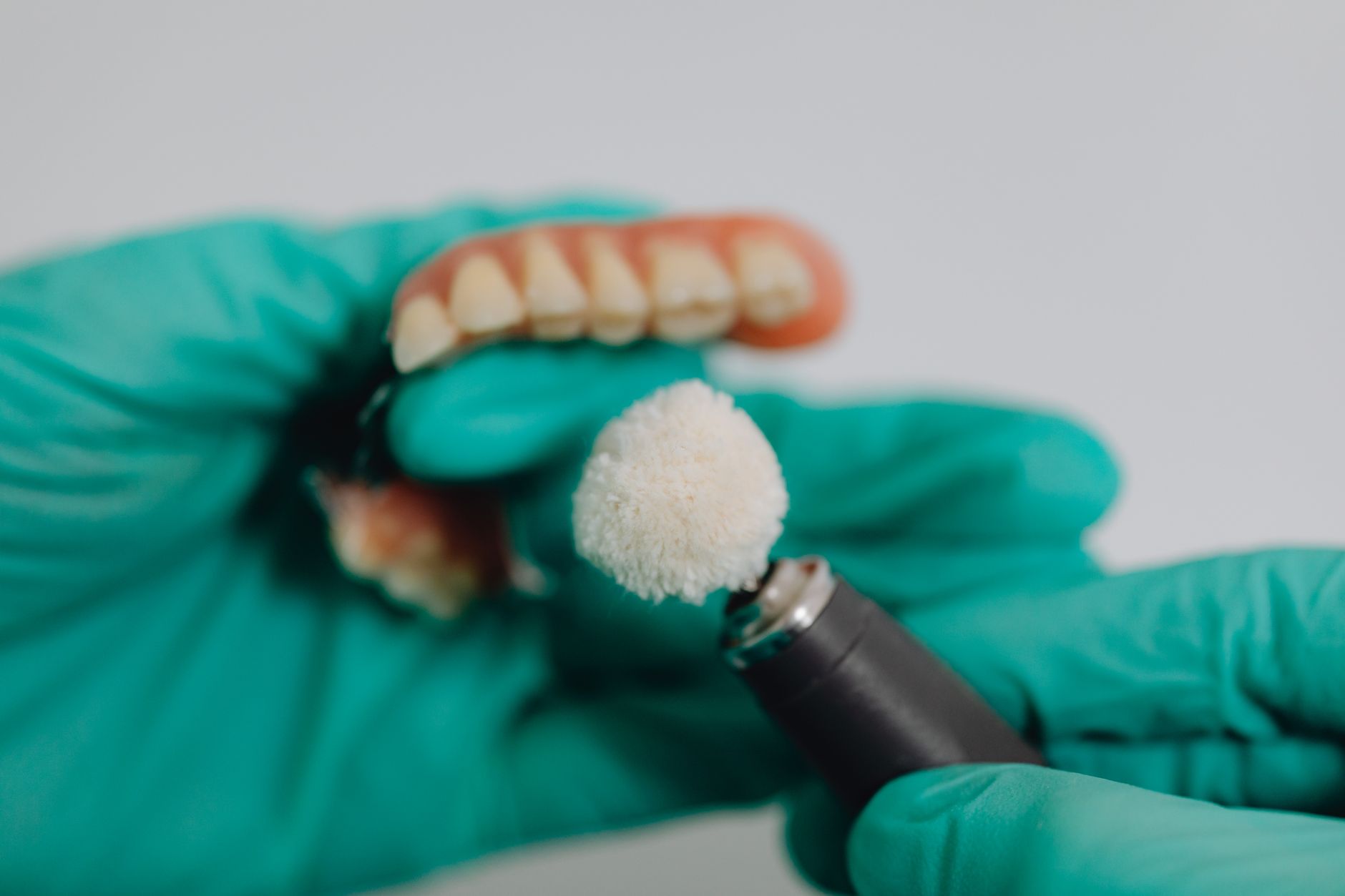
Who Is a Flexible Nylon Partial Denture Right For
The ideal candidate is someone replacing a small number of teeth who prioritizes comfort and appearance. The sections below cover the profiles that benefit most from this discreet, flexible solution.
Patients Missing One or a Few Teeth
Flexible partials shine when they fill a small gap. They work well for people who still have healthy natural teeth on both sides of an empty space, or whose remaining teeth are slightly loose due to gum recession. For a single missing tooth, they can even serve as a lightweight one-tooth appliance.
People With Metal Allergies or Sensitivities
Traditional cast partials rely on frameworks and clasps made from nickel or chrome cobalt. If your body reacts to those metals, a metal-free nylon appliance removes the trigger entirely. The biocompatible material makes it a dependable hypoallergenic choice for sensitive patients.
Anyone Who Wants a Discreet Metal-Free Smile
Because the clasps hug the gum line rather than clamping visible metal onto your teeth, the appliance stays hidden when you talk or laugh. The nylon also blends with natural gum tones, so the result looks like healthy tissue instead of hardware.
Patients With Tilted Teeth or Tricky Anatomy
Rigid dentures can be hard to seat when teeth are tipped or the ridge has an unusual shape. A flexible base slides into place more easily and adapts to contours that would fight a stiff framework.
Good candidates usually share these traits :
- Missing one to a few teeth rather than a full arch
- Healthy gums and consistent daily hygiene habits
- A preference for comfort and a natural, metal-free look
- Sensitivity or allergy to common denture metals
- Teeth or ridges with shapes that resist rigid appliances
When Another Solution Makes More Sense
The same softness that makes nylon comfortable also creates limits. The material cannot be relined or rebased, and it lacks the rigid rests that anchor a metal framework. According to a flexible denture literature review published on PubMed Central, this can lead to occlusal instability and sinking, especially in Kennedy Class I and II cases where teeth are missing at the back of the arch.
There are other practical trade-offs. The porous surface stains and harbors bacteria more readily than dense acrylic, so poor hygiene quickly becomes a problem. And as consumer dental resource Dentaly notes, flexible options are made only as partials, never as complete upper or lower dentures.
Consider a different route if any of the following apply to you :
- You need to replace an entire arch of teeth
- You have a complex bite or very large edentulous spans
- You struggle to maintain a strict daily cleaning routine
- You want a restoration you can adjust and repair over time
For those situations, firmer or permanent choices may serve you better. A denturist can walk you through permanent implant-supported restorations or fixed bridge alternatives before you decide.
How Flexible Partials Compare to Other Options
Seeing the choices side by side makes the decision clearer. The table below summarizes how a flexible partial stacks up against the most common tooth-replacement paths for a few missing teeth.
| Option | Visible metal | Aesthetics | Best suited for | Key limitation |
|---|---|---|---|---|
| Flexible nylon partial | None | Very high | One to a few teeth, metal allergies | Cannot be relined or repaired |
| Acrylic partial | Sometimes | Moderate | Transitional or temporary use | Bulkier and less discreet |
| Cast metal partial | Yes, framework | Lower | Large spans, precise bite support | Metal clasps may show |
| Dental implants | None | Very high | Long-term permanent replacement | Surgery and higher upfront cost |
Not sure which path matches your situation? A short consultation with a licensed denturist can map your options and give you a personalized recommendation before you commit to anything.

How to Care for a Flexible Partial Denture
Daily maintenance protects both the appliance and your gums. Because the nylon is porous, consistent cleaning is what keeps it looking natural and odor-free.
- Rinse the appliance after every meal to clear away debris
- Brush it daily with a soft brush and a non-abrasive denture cleaner
- Soak it in a denture solution, never in hot water, which can warp the nylon
- Skip regular toothpaste, since its grit scratches the surface and traps bacteria
- Keep it moist while it is out of your mouth
- Attend regular checkups so a professional can spot fit or hygiene issues early
Anyone weighing this appliance can also review the full range of custom denture solutions available for partial and complete tooth loss.
Conclusion
A flexible nylon partial denture is a comfortable, discreet, and metal-free way to replace one or a few missing teeth, especially for patients with metal allergies, sensitive gums, or awkward anatomy. It is not built for full arches, complex bites, or mouths that cannot keep up with daily cleaning. The smartest next step is a professional assessment that weighs your gums, your bite, and your goals against every available option. To turn this information into a plan built for your smile, book a consultation with a qualified team today.