
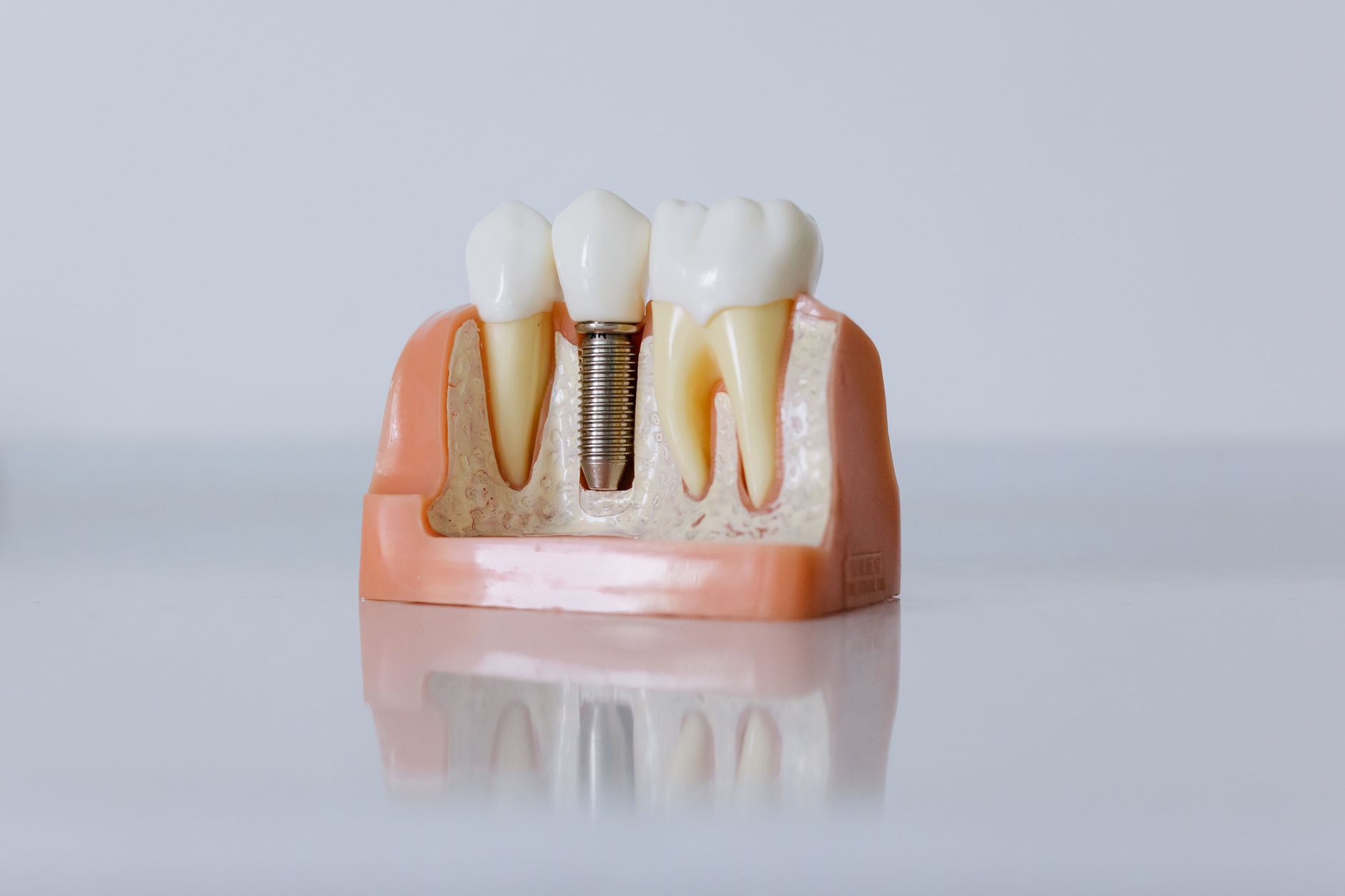
Implant-supported dentures are removable or fixed overdentures anchored to titanium implants placed in the jawbone. Unlike traditional dentures that rest on the gums, they stay firmly in place, restore strong chewing power and help slow jawbone loss. Treatment usually spans several months and costs more upfront than conventional dentures.
Losing several teeth changes far more than a smile. For many adults in the Montérégie region, loose plates, sore gums and the fear of a denture slipping at dinner become a daily worry. Implant-supported dentures offer a modern alternative that feels much closer to natural teeth.
This guide breaks down what these restorations are, why patients choose them, how the treatment unfolds and what drives the final price. The goal is simple: give you the facts you need to talk confidently with a dental professional about your options.
What Are Implant-Supported Dentures
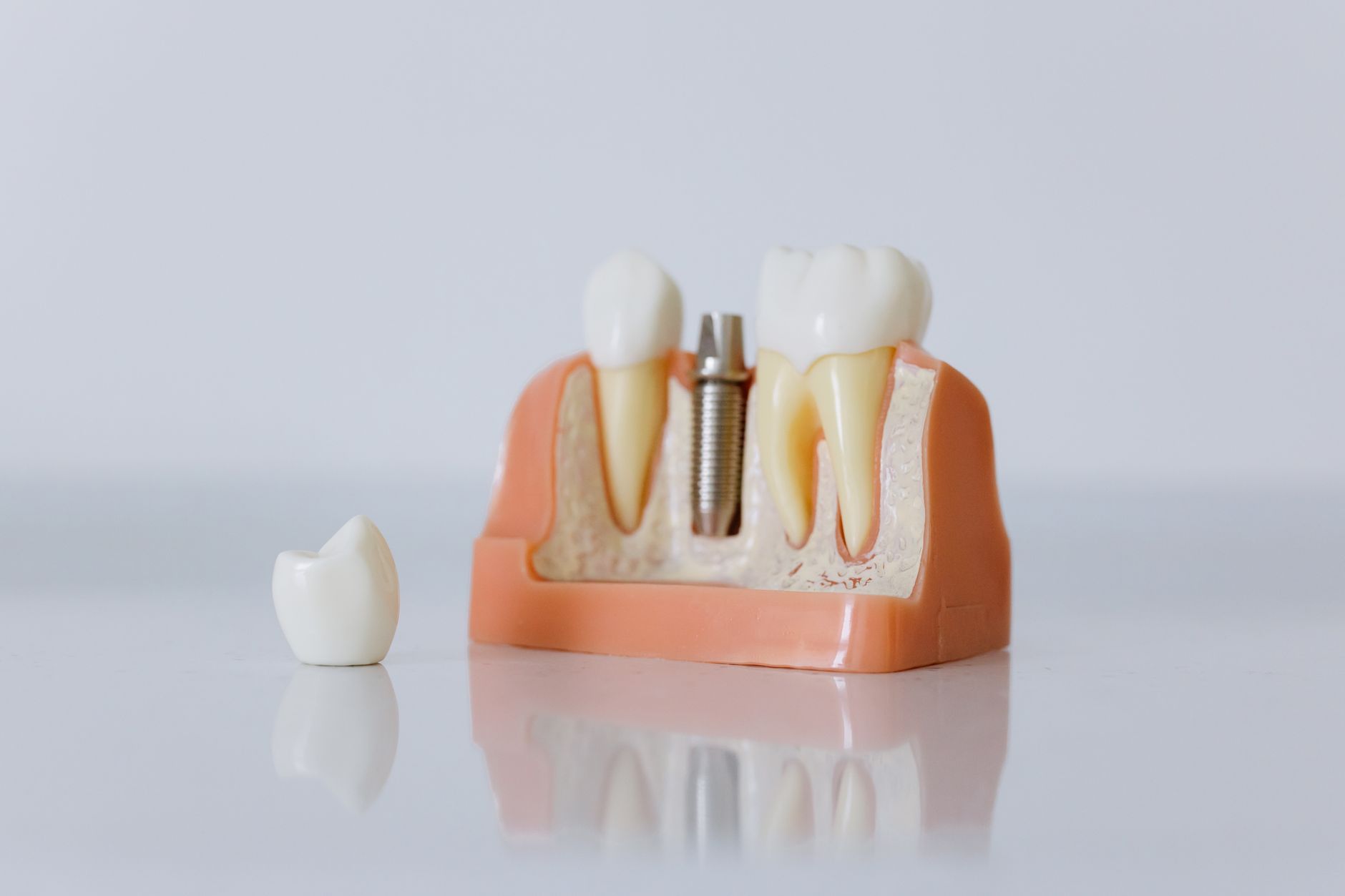
An implant-supported denture is a full arch of replacement teeth that clips onto or screws into a set of dental implants instead of resting on the gums alone. The implants act like artificial tooth roots, giving the prosthesis a stable foundation.
Because the arch is held by the jaw and not by suction or adhesive, it stays put while you chew, laugh and speak. That single difference solves the most common frustration people have with older-style plates.
Removable Versus Fixed Options
There are two main configurations, and the right one depends on your bone, your budget and your daily preferences.
- Removable overdenture: clicks onto two to four implants and can be taken out at home for cleaning, then snapped securely back in.
- Fixed full-arch bridge: screwed onto four or more implants and stays in the mouth permanently, cleaned like natural teeth.
A well-known fixed approach replaces an entire arch on just four implants, while other cases call for more support. These arches are built as custom dental prostheses, so ask about the custom dental prostheses that fit your anatomy.
Key Benefits of Implant-Supported Dentures
The advantages of implant-supported dentures go well beyond comfort. For people who have struggled with loose plates for years, the change can feel life-altering.
- Stability: the arch does not shift, click or fall out during meals or conversation.
- Stronger bite: better chewing force lets you enjoy a more varied, nutritious diet.
- Bone preservation: the implants stimulate the jaw and help slow the bone loss that follows tooth loss.
- Facial support: protecting bone helps you avoid the sunken, prematurely aged look linked to long-term denture wear.
- Confidence: no adhesive, no wobble and no worry about a plate slipping at the worst moment.
The bone-health benefit deserves special attention. When teeth are missing, the surrounding jawbone gradually shrinks. Implants mimic natural roots and channel chewing forces into the bone, which helps keep it healthier over time.
How the Treatment Works Step by Step
Getting implant-supported dentures is a staged process spread over several months, mostly to give the bone time to heal around the implants. Every plan starts with a thorough exam.
Consultation and Planning
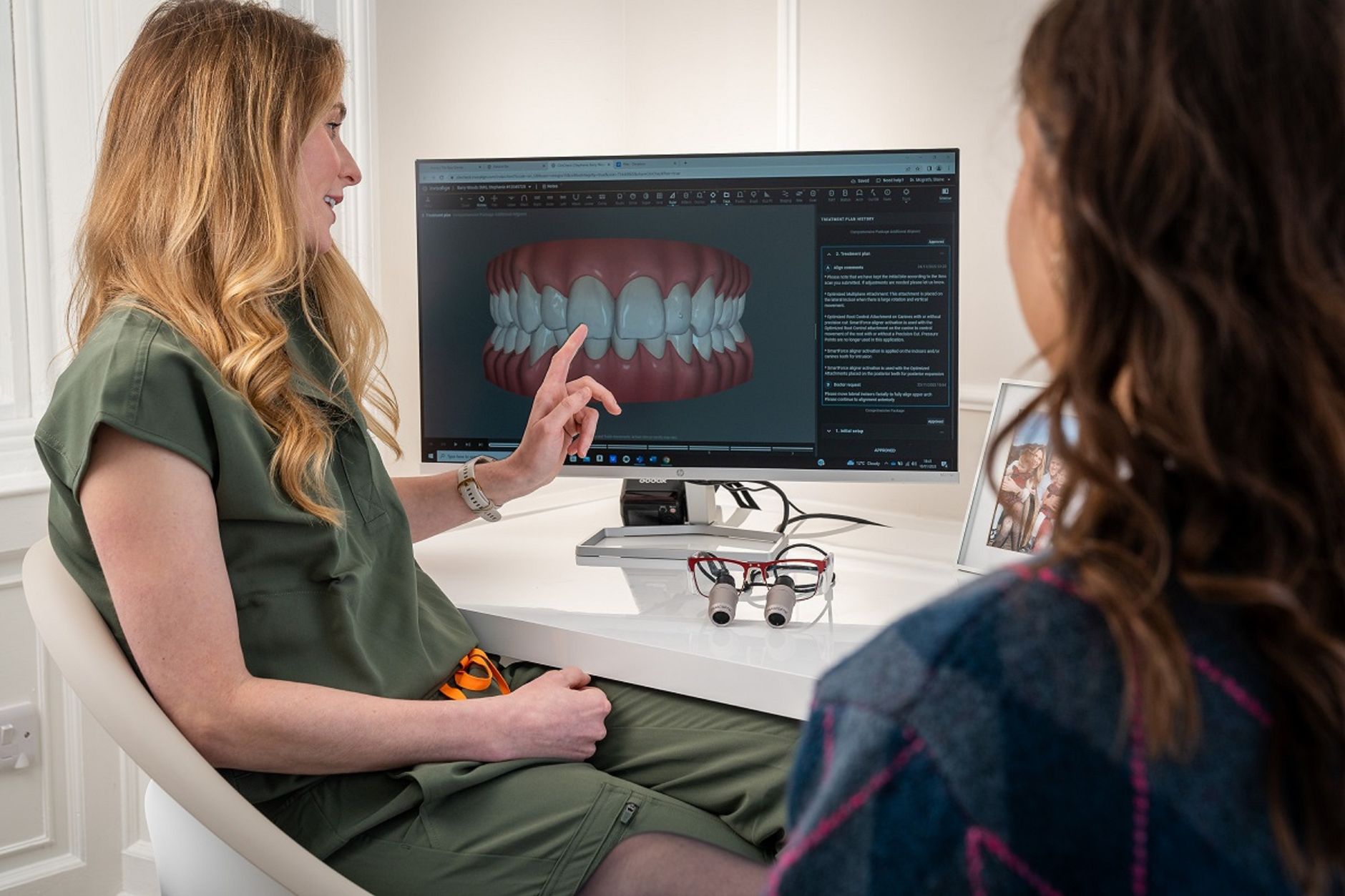
The dental team reviews your medical history, examines your gums and takes 3D imaging of your jaw. This confirms whether you have enough bone and maps the safest position for each implant.
Implant Placement
During a minor oral surgery, the implants are set into the jawbone under local anesthesia. If bone volume is low, a graft may be added first. You can learn more about the minor oral surgery steps involved before your appointment.
Healing and Integration
Over the following months, the bone fuses tightly to the titanium in a process called osseointegration. A temporary denture is often worn so you are never without teeth.
Final Restoration
Once healing is complete, the permanent arch is attached and adjusted for a comfortable bite. Most people return to normal activities within about a week, and the overdenture that clips on top usually needs replacing every fifteen to twenty years.
Not sure whether this route suits your mouth and budget? The clearest next step is a professional assessment, where a dental team examines your bone, reviews your imaging and builds a personalized plan for dental implants around your needs.
Implant-Supported Dentures Versus Traditional Dentures
Choosing between the two options is easier when you compare them side by side. The table below highlights the differences that matter most in daily life.
| Feature | Traditional dentures | Implant-supported dentures |
|---|---|---|
| Stability | Rest on gums, can slip | Anchored to implants, stay firm |
| Bone health | Do not prevent bone loss | Help slow jawbone loss |
| Chewing power | Limited | Close to natural teeth |
| Upfront cost | Lower | Higher |
| Surgery needed | No | Yes |
| Typical lifespan of the arch | Several years | Fifteen to twenty years |
Traditional plates still make sense for some budgets and health situations. Yet for long-term comfort and bone preservation, the anchored option is hard to beat.
What Determines the Price of Treatment
Price is usually the biggest question, and the honest answer is that it varies from patient to patient. Rather than a single sticker figure, the cost is shaped by several factors.
- Number of implants: more implants mean more materials and surgical time.
- Removable or fixed: fixed full-arch bridges generally cost more than snap-in overdentures.
- Bone grafting: rebuilding lost bone adds to the total.
- Imaging and planning: 3D scans and surgical guides carry their own fees.
- Materials: the implant brand and the type of teeth used influence the final quote.
Because of these variables, the only reliable price is a written estimate from a clinic after an exam. Many patients view the higher upfront cost as a worthwhile investment given the stability and bone benefits over the years.
Are You a Good Candidate
Most healthy adults with one or more missing arches are potential candidates. The main requirement is enough solid bone to hold the implants, along with healthy gums and no untreated infection.
According to the Canadian Dental Association, you need enough healthy bone in the jaw to support an implant, and a bone graft can often rebuild a ridge that has shrunk. Smoking, uncontrolled diabetes and certain medications can affect healing, so full disclosure of your health history matters.
The best way to know for sure is a professional evaluation. Imaging and a clinical exam quickly reveal whether you are ready to proceed or need a preparatory step first.
Conclusion
Implant-supported dentures deliver the stability, chewing power and bone protection that traditional plates cannot match, in exchange for a higher upfront cost and a staged treatment timeline. For anyone tired of loose dentures, they are worth a serious look. The smartest move is to get a personalized assessment: arrange a consultation with a qualified dental team to review your bone, your goals and your budget before deciding.