
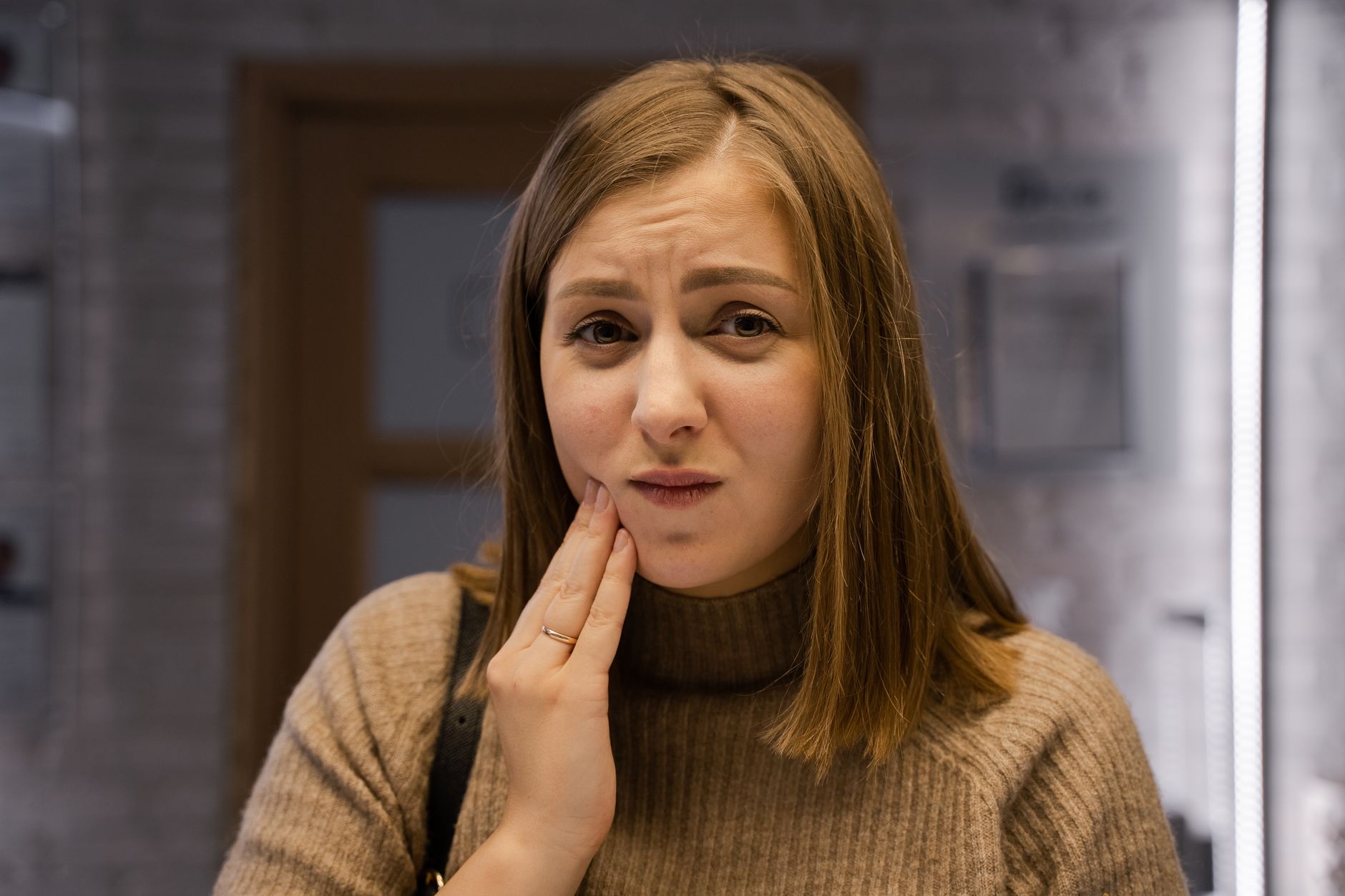
The most effective toothache remedies for fast, temporary relief are a warm saltwater rinse, a cold compress on the cheek, gentle flossing, and an over-the-counter pain reliever like ibuprofen. These steps calm the pain until you can see a dentist, who treats the underlying cause.
A sudden toothache can turn an ordinary evening into a long, painful night. Whether it is a dull throb or a sharp jolt when you bite down, the right toothache remedies can bring real relief while you wait to see a dental professional. Tooth pain is one of the most common reasons people seek urgent dental care, and it rarely improves on its own.
This guide breaks down what causes tooth pain, the home remedies that genuinely help, how to handle a toothache at night, and the warning signs that mean it is time to call a clinic. Every tip here reflects guidance from recognized dental and medical authorities, not folklore.
Common Toothache Causes and Why They Hurt
Understanding toothache causes helps you choose the right relief and know when the problem is serious. Most tooth pain traces back to a handful of dental issues, and each one behaves a little differently.
Cavities and Tooth Decay
Decay is the leading trigger of tooth pain. As acid wears through enamel, it exposes the sensitive layers beneath and eventually reaches the nerve. Learning how cavities form makes it easier to catch a small problem before it becomes a throbbing emergency.
Dental Abscess and Infection
When bacteria reach the pulp inside a tooth, an abscess can develop. This often causes constant throbbing pain, swelling, and sometimes a bad taste from pus. According to the Cleveland Clinic, these signs of a tooth infection need prompt care because the infection can spread.
Gum Inflammation
Sore, tender gums can also cause aching around a tooth. Red, inflamed, bleeding gums are an early sign of gum disease and should not be ignored, since untreated inflammation slowly damages the tissue that holds teeth in place.
Teeth Grinding at Night
Many people wake up with jaw soreness or aching teeth without any decay at all. Grinding your teeth at night puts heavy pressure on the enamel and jaw joints, which is a frequent reason a toothache feels worse after sleep.
Tooth Sensitivity
Exposed dentin, often from worn enamel or receding gums, lets hot, cold, and sweet triggers reach the nerve. This produces short, sharp jolts rather than a steady ache, and it usually flares up during eating or drinking.
Toothache Remedies You Can Try at Home Tonight
These home remedies will not cure the problem, but they can make the pain bearable until your appointment. Start with the gentlest options first and combine them if needed.
- Warm saltwater rinse. Dissolve about half a teaspoon of salt in a cup of warm water, swish for around 30 seconds, and spit it out. Salt is a natural disinfectant that eases inflammation, a step both the warm water rinse and floss advice from Mayo Clinic recommends.
- Cold compress. Wrap ice in a thin towel and hold it against your cheek for 15 to 20 minutes, then take a break. Cold numbs the area and reduces swelling, especially after an injury.
- Gentle flossing. Carefully remove any food trapped between teeth. Never poke with a pin or sharp object that could cut the gums.
- Over-the-counter pain reliever. Canadian guidance notes that ibuprofen is first-line for tooth pain, and antibiotics do not relieve ordinary toothache. Follow the label and never place a pill directly on the gum.
- A little clove oil. Dabbing a very small amount on the sore spot can offer mild, short-lived numbing for localized pain.
The table below sums up which remedy suits which situation so you can act quickly.
| Home remedy | How it helps | Best for |
|---|---|---|
| Warm saltwater rinse | Reduces bacteria and inflammation | General soreness, gum irritation |
| Cold compress | Numbs pain and lowers swelling | Injury, swollen cheek |
| Gentle flossing | Removes trapped food and pressure | Pain between two teeth |
| Ibuprofen | Eases pain and inflammation | Moderate to severe aching |
| Clove oil | Offers mild numbing | Localized sharp pain |
How to Stop a Toothache Fast at Night
Pain almost always feels stronger after dark, and there is a real reason for it. When you lie down, more blood flows to your head, which raises pressure around the sore tooth. With fewer daytime distractions, the ache also becomes harder to ignore.
To stop a toothache fast at night, prop your head up with an extra pillow so blood does not pool around the tooth. Rinse with warm salt water, take an appropriate pain reliever before bed, and hold a cold compress against your cheek for short intervals. Avoid very hot, cold, or sugary foods late in the evening, since they can set off a fresh wave of pain.
What to Avoid When Treating Tooth Pain
A few common mistakes can make a toothache worse. The Canadian Dental Association advises that when you feel tooth pain, you should call your dentist right away and manage symptoms carefully in the meantime.
- Do not place aspirin or any pill directly against the gums, because it can burn the tissue.
- Do not apply a heating pad or hot water bottle to your jaw, since heat worsens inflammation.
- Do not use sharp objects to dig out trapped food.
- Do not rely on antibiotics for pain, as they only treat true infections.
Persistent or returning tooth pain is a signal that something deeper needs attention. Booking a complete dental exam is the safest way to find and fix the cause before it turns into a bigger problem.

When a Toothache Needs Professional Care
Home remedies buy time, but they never replace treatment. See a dentist if the pain lasts more than one to two days, or if you notice fever, facial swelling, or pain spreading to your jaw and neck. Trouble breathing or swallowing calls for immediate emergency care.
Depending on the diagnosis, treatment might involve a filling, a root canal, deep cleaning for the gums, or in some cases a dental extraction. Acting early usually means simpler, less costly care. If you want a fuller overview of triggers and relief, this detailed look at the causes and relief of tooth pain is a helpful companion resource. The best toothache remedies always work alongside a professional diagnosis, not in place of one.
Conclusion
Reliable toothache remedies such as saltwater rinses, cold compresses, gentle flossing, and over-the-counter pain relief can ease the throbbing enough to get you through the day or night. Still, tooth pain is a warning sign, and lasting comfort depends on treating the real cause. If the pain keeps coming back, do not wait it out. Reaching out to a trusted local dental team for an appointment and guidance is the surest path back to a healthy, pain-free smile.
Frequently Asked Questions About Toothache Remedies
Which toothache remedies work best at night?
The most reliable toothache remedies at night are a warm saltwater rinse, an over-the-counter pain reliever such as ibuprofen, and a cold compress held against the cheek. Keeping your head slightly elevated with an extra pillow reduces throbbing when you lie down. These steps calm the pain temporarily, yet they do not fix the underlying cause, so book a dental visit as soon as you can.
What causes a toothache that gets worse at night?
Toothache causes include cavities, a dental abscess, gum inflammation, teeth grinding, and exposed dentin. Pain often feels worse at night because lying down sends more blood to the head, which increases pressure around the sore tooth. Fewer daytime distractions also make the ache more noticeable. If the throbbing keeps returning after dark, an infection or deep decay may be driving it, so a professional exam is wise.
How can I stop a toothache fast without medication?
To stop a toothache fast without pills, rinse with warm salt water to ease inflammation, then apply a cold compress to your cheek for short intervals. Gently flossing removes trapped food that may press on the tooth. Avoid very hot, cold, or sugary foods that trigger sharp jolts. These home steps offer temporary comfort only, and lasting relief still depends on treating the real dental problem.
When should a toothache be treated as an emergency?
Treat a toothache as an emergency when you notice facial swelling, fever, a bad taste from pus, or pain that spreads to the jaw and neck. Trouble breathing or swallowing needs urgent medical care immediately. Pain lasting more than one to two days also signals a problem that will not heal on its own. Prompt treatment prevents the infection from spreading and protects the tooth.