
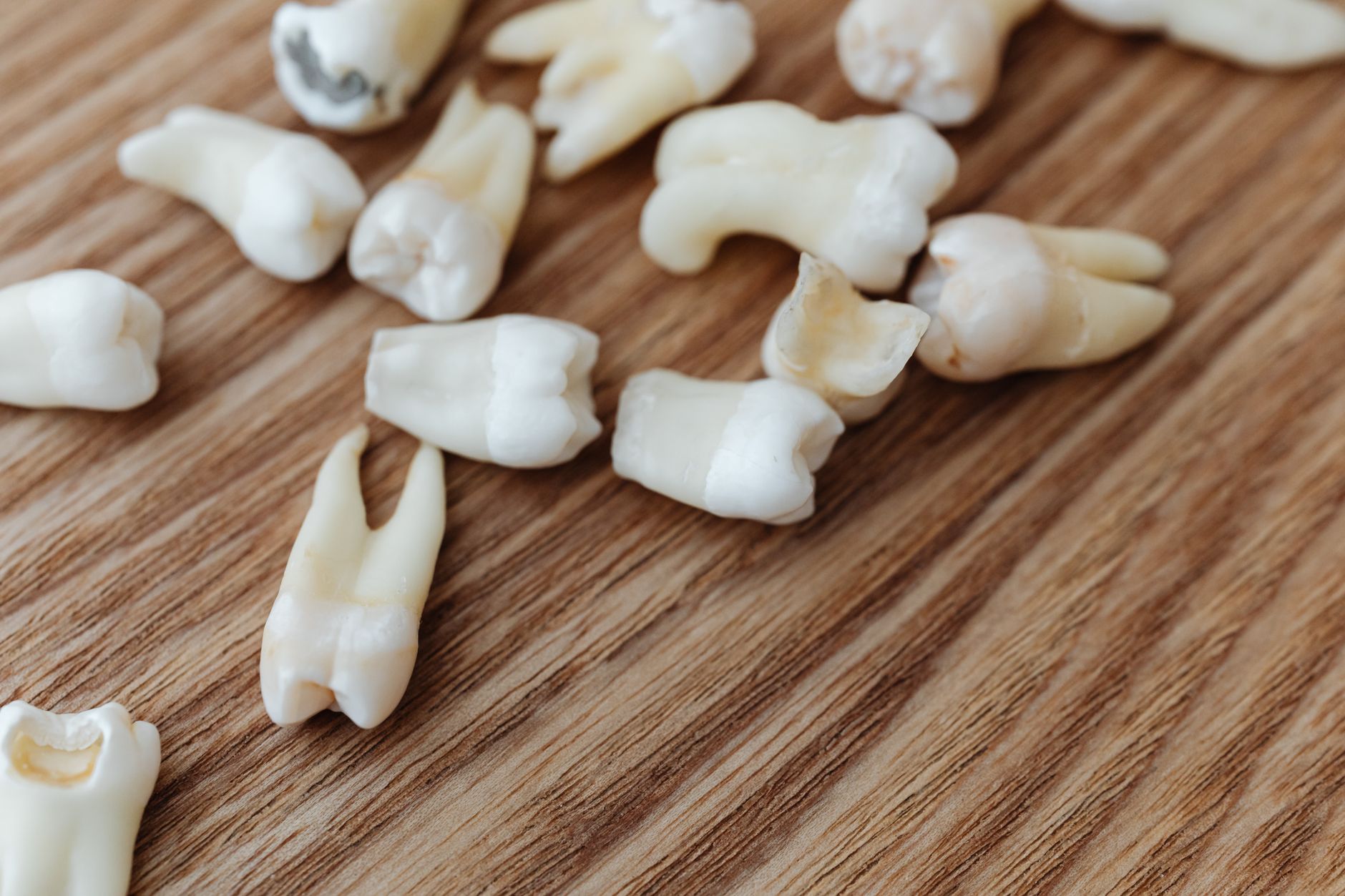
A dental inlay onlay is a custom, lab made restoration that repairs a decayed or cracked back tooth. It sits between a filling and a crown, restores most of the tooth's natural strength, and typically lasts far longer than a standard filling while preserving healthy enamel.
Choosing the right repair for a damaged molar can feel confusing when your options range from a simple filling to a full crown. Many patients discover that an indirect restoration bridges that gap perfectly, offering the strength of a crown with far less loss of healthy enamel. Understanding how these restorations work helps you make a confident, informed decision about your long term oral health.
What Is a Dental Inlay Onlay Restoration
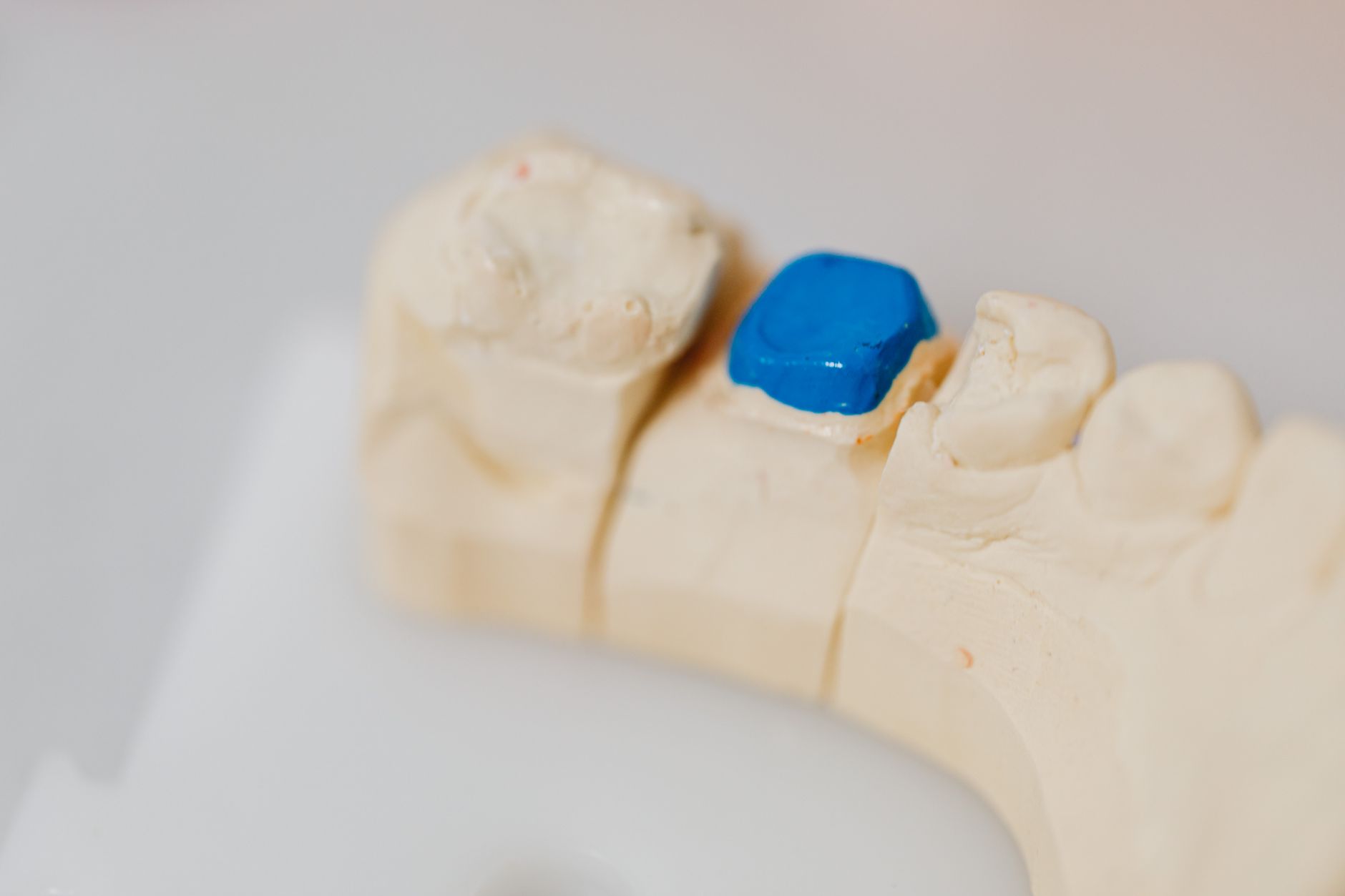
A dental inlay onlay is an indirect restoration, meaning it is crafted outside the mouth as a single solid piece and then bonded to a prepared tooth. This differs from a direct filling, which is built up inside the tooth during one visit. According to the Cleveland Clinic, these custom restorations are bonded permanently into place like a precise puzzle piece.
Dentists usually recommend this solution for premolars and molars when decay or a fracture is too large for a reliable filling, yet too small to justify removing extra enamel for a crown. The result is a strong, conservative repair that protects what remains of your natural tooth.
Inlay vs Onlay What Is the Difference
The distinction between an inlay and an onlay comes down to how much of the biting surface each one covers:
- Inlay: fits inside the tooth, between the raised points known as cusps, without covering them.
- Onlay: fills the same central area but also covers one or more cusps, protecting a weakened tooth from cracking.
Because an onlay wraps over the cusps, it can sometimes save a badly worn tooth that would otherwise need a full crown.
Inlay vs Filling Durability and Strength Compared
When comparing inlay vs filling durability, the lab made option usually wins for larger cavities. A white composite filling is quick, affordable, and ideal for small repairs, but it is shaped by hand and can shrink slightly as it sets. An indirect restoration is milled to exact measurements, so it seals the edges tightly and distributes chewing forces evenly.
That precision matters. A well fitted onlay can restore a large share of a tooth's original strength and reduce the risk of future fractures. When damage is extensive, the alternative is often a full dental crown, which requires shaving down more healthy enamel.
Clinical research still compares materials head to head. A published randomized trial protocol on composite versus ceramic restorations notes that ceramics resist wear well but are more brittle, while composites flex more yet wear faster over time.
Ceramic Composite and Gold Materials Compared
Material choice shapes both the appearance and the lifespan of your restoration. A ceramic inlay made from porcelain is the most popular option because it blends invisibly with natural enamel and resists staining from coffee, tea, or wine.
| Material | Aesthetics | Typical lifespan | Best suited for |
|---|---|---|---|
| Ceramic (porcelain) | Excellent, tooth coloured | Around two to three decades | Visible back teeth, stain resistance |
| Reinforced composite | Good | Roughly ten to fifteen years | Budget conscious repairs |
| Gold | Low, metallic | Thirty years or more | Heavy grinding, back molars |
These lifespans reflect the ranges cited on the clinic's restoration page and depend heavily on daily care. Whichever material you choose, biocompatibility and a snug marginal fit remain the keys to a lasting, comfortable result.
Book a dental exam to get a personalized assessment of which restoration and material best fit your tooth, budget, and bite. Schedule a dental exam before minor decay grows into a bigger problem.
How the Two Visit Treatment Process Works
Most indirect restorations are completed over two appointments, with laboratory work happening in between:
- First visit: the tooth is numbed, decay is removed, and a 3D digital impression captures the exact shape. A temporary restoration protects the tooth while the permanent piece is fabricated.
- Between visits: a partner laboratory mills the ceramic, composite, or gold restoration to precise specifications, usually within one to two weeks.
- Second visit: the fit and colour are verified, the restoration is bonded in place, and the bite is fine tuned for comfort.
If a molar cracks suddenly or an old filling fails, prompt care matters. A same day assessment for a cracked or painful tooth can prevent further damage before a permanent restoration is planned.
Dental Inlay Cost and What Affects the Price
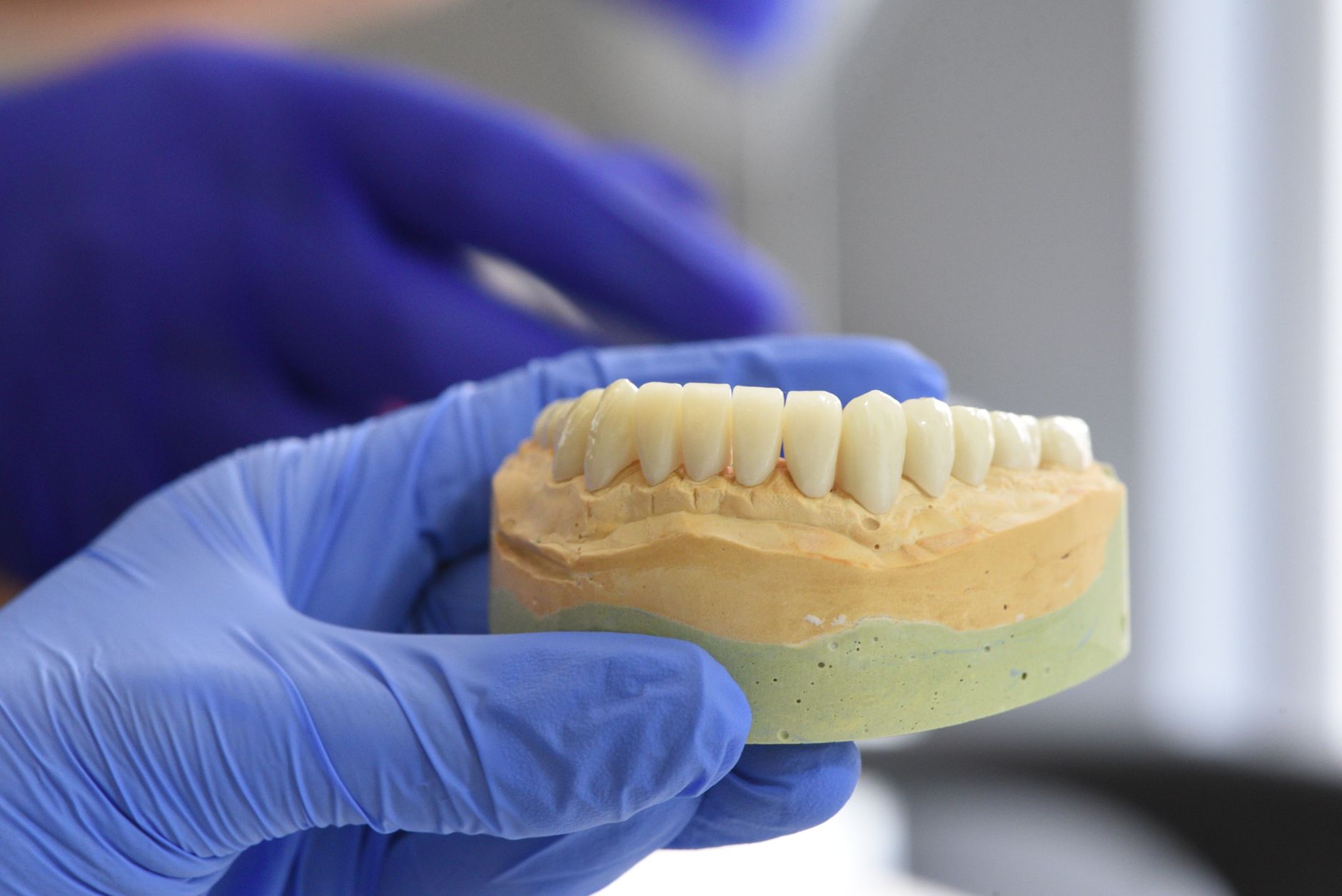
Understanding dental inlay cost helps you plan ahead. An indirect restoration generally costs more than a direct filling because it involves laboratory fabrication, advanced digital imaging, and two appointments. The final figure depends on the material selected, the size and location of the damage, and the complexity of the preparation.
In Quebec, fees follow the province's suggested fee guide, which keeps pricing transparent and consistent. Many dental insurance plans reimburse a portion of major restorative work, so requesting a written estimate and confirming your coverage before treatment is always worthwhile. Viewed over its full lifespan, a durable dental inlay onlay often delivers strong value compared with repeated filling replacements.
Conclusion
A dental inlay onlay offers a reliable middle ground between a simple filling and a full crown, combining lasting strength with maximum preservation of your natural tooth. For medium to large cavities on back teeth, it can protect a weakened tooth for many years and help you avoid more invasive treatment down the road. If a molar feels sensitive, looks worn, or has an aging filling, book a consultation with an experienced dental team to review your options and receive a tailored recommendation.