
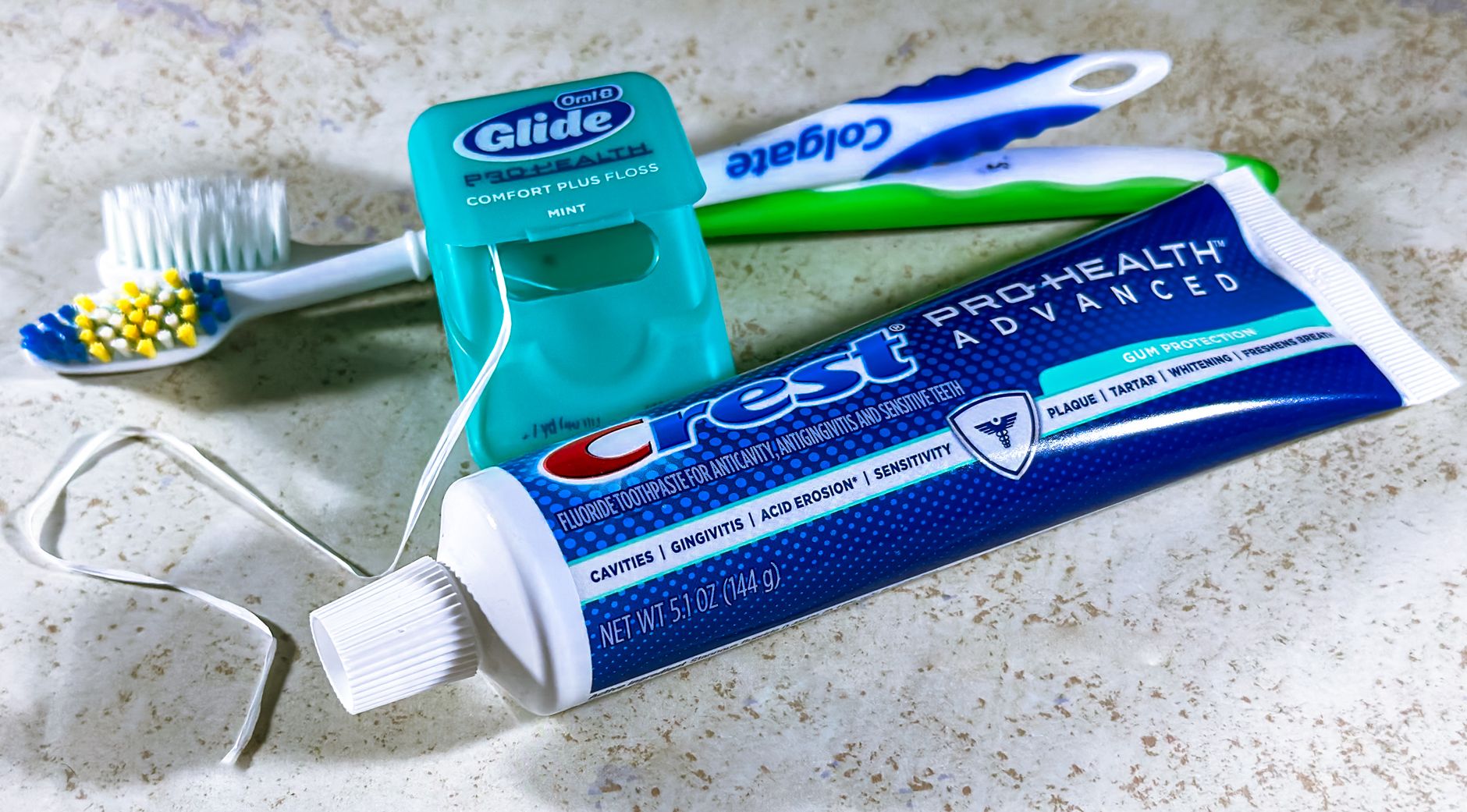
Gingivitis treatment starts with removing plaque through daily brushing, flossing and a professional dental cleaning. This early, reversible stage of gum disease responds well to improved oral hygiene, scaling and regular checkups. Acting quickly stops swollen, bleeding gums from progressing into periodontitis and permanent tooth loss.
Sore, puffy gums that bleed when you brush are easy to ignore, but they are often the first call for gingivitis treatment. Gingivitis is the mild, early stage of gum disease, and the good news is that it is almost always reversible when caught in time. Left alone, that same low-grade inflammation can quietly advance into a far more serious condition. This guide walks you through the symptoms, the real causes, and the exact steps that calm irritated gums and keep your smile healthy for the long run.
What is gingivitis
Gingivitis is inflammation of the gum tissue caused by a sticky film of bacteria called plaque. When plaque is not removed every day, it builds up along the gumline, releases toxins, and irritates the soft tissue around your teeth. Your gums react by becoming red, tender and prone to bleeding.
At this stage, the infection has not yet reached the bone or the deeper structures that hold your teeth in place. That is what makes gingivitis so manageable. The Canadian Dental Association confirms that gingivitis can be reversed when it is caught and treated early, usually without any lasting harm.
Common gingivitis symptoms to watch for
Recognizing gingivitis symptoms early is the difference between a simple cleaning and years of complex care. Because the condition is rarely painful, many people miss the warning signs until the problem worsens. Pay attention to these changes:
- Bleeding gums when you brush or floss, often the very first clue
- Red, puffy or shiny gums instead of firm, pink tissue
- Persistent bad breath or a lingering bad taste
- Gums that feel tender or look like they are pulling away from the teeth
- Increased sensitivity along the gumline
Healthy gums do not bleed during normal brushing. If you notice traces of blood on your toothbrush more than once, treat it as a signal rather than a passing annoyance. The Mayo Clinic lists tender, receding and dusky red gums among the clearest warning signs worth reporting to a dental professional.

What causes gingivitis
The leading cause of gingivitis is plaque that is not removed thoroughly each day. Skipping flossing, brushing too quickly, or missing the gumline all give bacteria the chance to multiply. Over time, unremoved plaque hardens into tartar, a rough deposit that only a hygienist can clear.
Plaque is not the only factor, though. Several conditions make gums more vulnerable to inflammation, including smoking, poorly controlled diabetes, pregnancy and other hormonal shifts, certain medications, and vitamin deficiencies. Crowded teeth and worn fillings can also trap bacteria in spots that are hard to clean. Understanding your personal gingivitis causes helps target both the treatment and the prevention plan.
The same bacterial film that inflames your gums also attacks enamel, which is why treating tooth decay early and controlling gum inflammation often go hand in hand.
Not sure whether your bleeding gums are still at the reversible stage? A quick professional assessment can confirm the diagnosis and start you on the right plan before any lasting damage sets in. Booking an evaluation early is always simpler and gentler than waiting.
Gingivitis vs periodontitis what is the difference
The comparison of gingivitis vs periodontitis matters because it marks the line between a reversible problem and a permanent one. Gingivitis affects only the surface gum tissue. Periodontitis is the advanced stage, where the infection spreads beneath the gumline, forms deep pockets, and begins to destroy the bone that anchors your teeth.
| Feature | Gingivitis | Periodontitis |
|---|---|---|
| Stage | Early, mild | Advanced |
| Gum tissue | Red, swollen | Receding, detaching |
| Bleeding | Common with brushing | Frequent, sometimes spontaneous |
| Bone loss | None | Yes, progressive |
| Tooth stability | Stable | Loosening possible |
| Reversible | Yes | No, only manageable |
Once bone is lost to periodontitis, it does not grow back. That is why early action is so valuable, and why ongoing professional periodontal care focuses on catching gum disease while it is still in the gingivitis stage.
How gingivitis treatment works at home and at the clinic
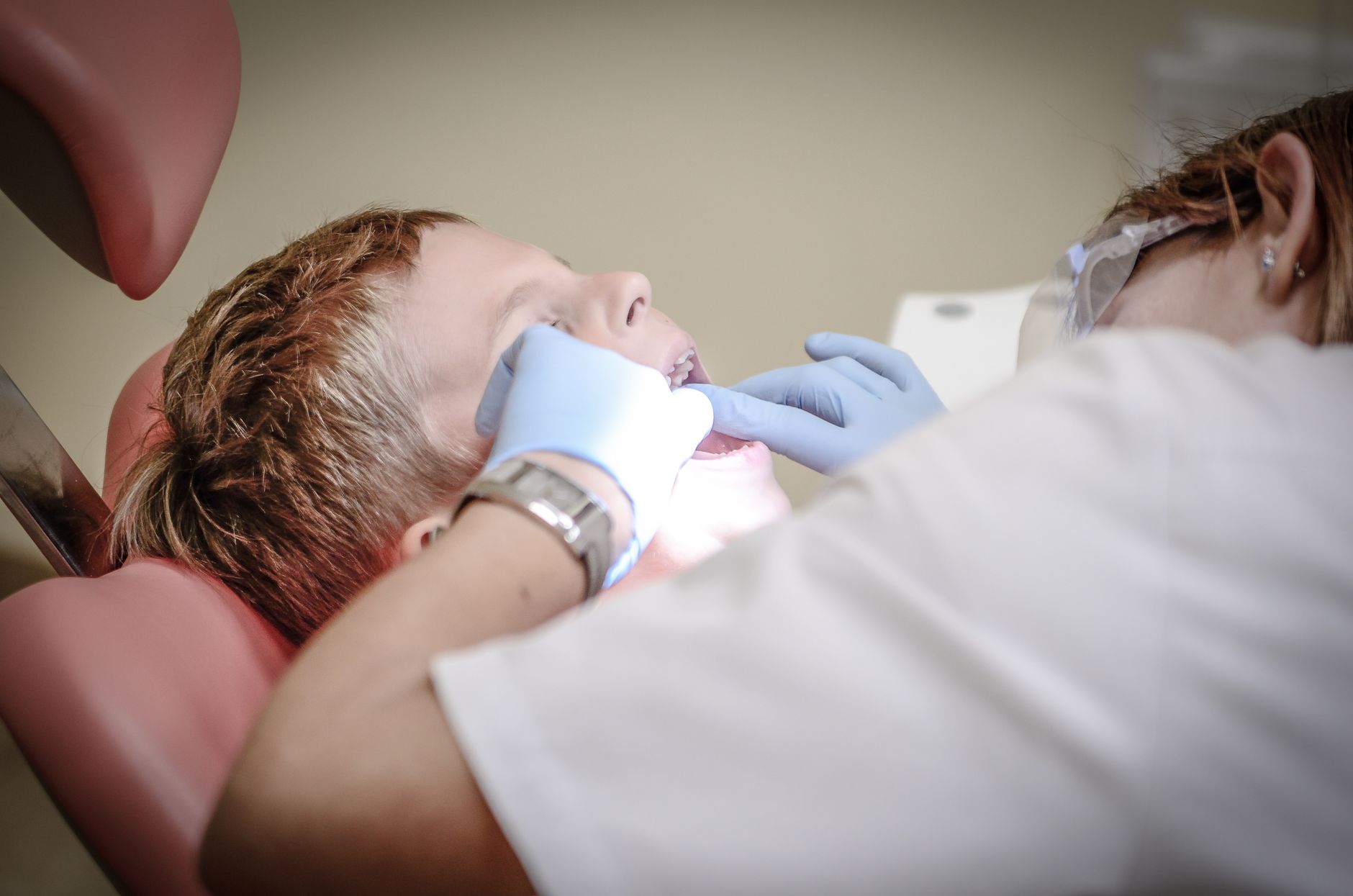
Effective gingivitis treatment combines what you do every day with what a professional does periodically. Neither part works well alone. At home, the goal is to disrupt plaque before it hardens; at the clinic, the goal is to remove what daily care cannot.
Your daily routine should include:
- Brushing twice a day for two full minutes with a soft-bristled brush
- Flossing once a day to reach between teeth and under the gumline
- Using an antiseptic or fluoride rinse if recommended
- Replacing your toothbrush regularly and avoiding aggressive scrubbing
At the clinic, a hygienist performs a scaling, a deep cleaning that removes hardened tartar above and just below the gumline. This professional step is essential, because tartar cannot be brushed away at home. Your team may also review your brushing technique, adjust rough fillings, and set a follow-up schedule to make sure the inflammation is truly gone.
How to prevent gum disease from coming back
Prevention is simply gingivitis treatment continued for life. Once your gums are calm and firm again, a few consistent habits keep them that way and protect the rest of your mouth.
- Book regular checkups and cleanings, typically every six months
- Keep up daily brushing and flossing without skipping days
- Eat a balanced diet and limit sugary snacks and drinks
- Avoid tobacco, which slows healing and masks bleeding
- Manage conditions like diabetes that affect gum health
A dental team can also connect gum care with the general dental services you may need, from routine cleanings to restorative work, so your whole mouth stays healthy together.
Conclusion
Gingivitis treatment is one of the most rewarding steps in dental care because the results come quickly and the condition is fully reversible when addressed early. By spotting the symptoms, understanding your causes, and combining daily hygiene with professional cleanings, you can stop bleeding gums from ever becoming periodontitis. If your gums are red, tender or bleeding, do not wait for the discomfort to grow. Reach out to a qualified dental team, get a clear diagnosis, and protect both your gums and your long-term oral health.