
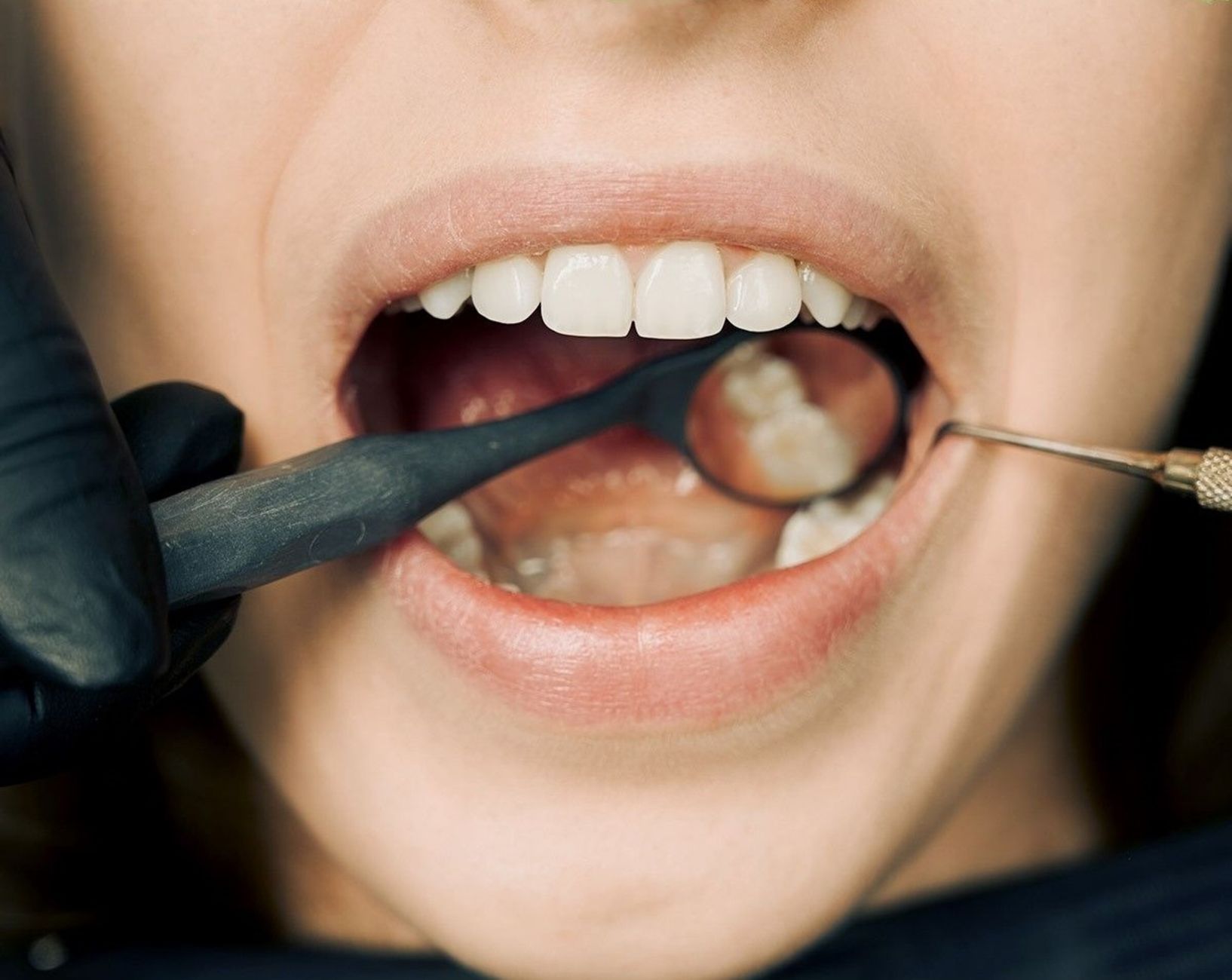
Gum graft recovery usually takes one to two weeks for the surface tissue to heal, while full maturation continues for several months. Most people manage mild discomfort with over-the-counter pain relief, eat soft foods, avoid the surgical site, and return to normal activities within a day or two.
Receding gums can make teeth look longer, feel sensitive to hot and cold, and leave the roots exposed to decay. A gum graft rebuilds that lost tissue and protects the tooth. If a dentist has recommended the procedure, the biggest question is almost always the same: what happens afterward, and how long until things feel normal again?
This guide walks through each stage of the healing process in plain language, so the days after surgery feel predictable instead of stressful.
What a Gum Graft Is and Why It Is Done
A gum graft is a minor periodontal surgery that covers exposed roots by adding healthy tissue to areas where the gum line has pulled back. The new tissue is usually taken from the roof of the mouth, or from a certified tissue bank when a donor site is not ideal.
The goal is both protective and cosmetic. According to the Cleveland Clinic, gum recession cannot be reversed on its own, so a graft is one of the most reliable ways to stop it from getting worse. Common reasons a dentist suggests grafting include:
- Root sensitivity to cold, heat, or sweets
- Visible lengthening of one or more teeth
- A high risk of root decay on exposed surfaces
- Progressive recession linked to aggressive brushing or gum disease
Grafting is one of several procedures a clinic may combine within its gum recession treatment plan, and it is often part of a broader range of dental surgery services offered on the South Shore.
Gum Graft Recovery Timeline and What to Expect
Healing happens in clear stages, and knowing the timeline makes the whole gum graft recovery far easier to manage. The first two days are the most delicate, the first two weeks cover the visible healing, and full tissue maturation quietly continues for a few months.
Every mouth heals at its own pace, but the pattern below reflects what most patients experience after a periodontal gum grafting procedure.
| Time frame | What happens | What to do |
|---|---|---|
| First 24 to 48 hours | Mild swelling and light oozing at the site | Rest, apply cold compresses, avoid rinsing |
| Days 3 to 7 | Soreness eases, graft settles in | Soft foods, gentle care, no site brushing |
| Weeks 1 to 2 | Surface tissue heals, sutures removed | Slowly reintroduce firmer foods |
| Weeks 2 to 6 and beyond | Colour and texture blend in fully | Resume normal brushing as directed |
The First 48 Hours
The early phase is about protecting the graft. Some oozing and puffiness are normal. Keeping the head slightly elevated, using cold compresses, and avoiding spitting or rinsing all help the tissue stay in place. Straws are best avoided, since suction can disturb the fragile new gum.
The First Two Weeks
By the end of week one, most soreness fades and any sutures or a protective dressing are usually removed at a follow-up visit. The graft site may look pale or slightly different in colour, which is expected as blood supply reconnects.
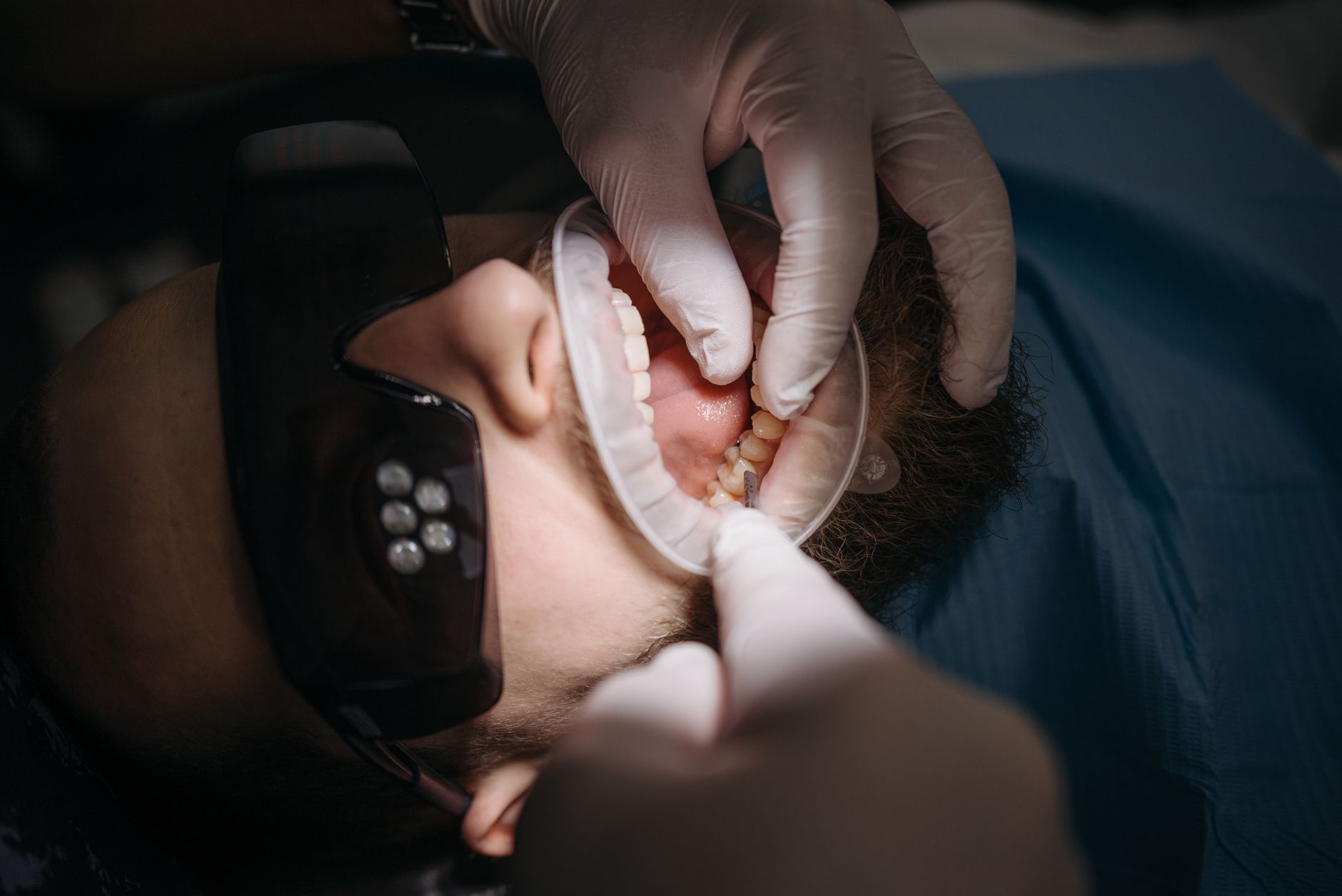
Managing Gum Graft Pain and Discomfort
For most people, gum graft pain is mild and short lived. The donor site on the palate can actually feel more tender than the graft itself for a few days. Over-the-counter options such as acetaminophen or ibuprofen are typically enough, taken exactly as directed by the treating dentist.
A few simple habits keep discomfort low:
- Use cold compresses on the cheek in short intervals during the first day
- Avoid touching or probing the area with the tongue or fingers
- Stick to lukewarm foods and drinks, never very hot ones
- Follow any prescribed rinse or medication schedule closely
If you are weighing your options for receding gums, book a consultation to review the safest approach with a qualified professional before symptoms progress.
What to Eat During Gum Graft Healing Time
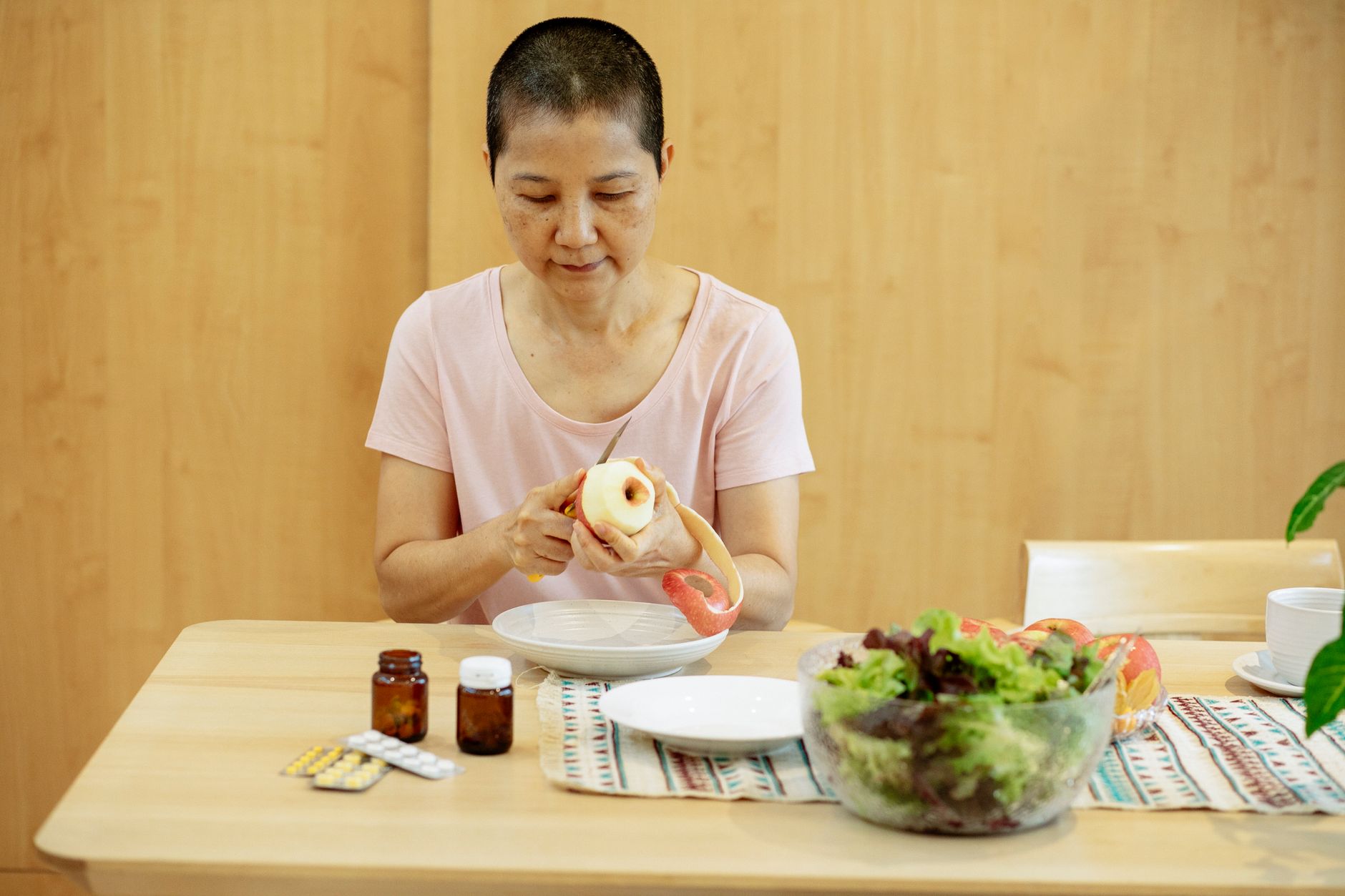
Diet plays a surprisingly big role in a smooth gum graft healing time. Soft, cool foods protect the site and reduce irritation while the tissue knits together. Hard, crunchy, spicy, or very hot foods can dislodge the graft or cause bleeding.
Gentle choices for the first several days include:
- Yogurt, smoothies, and cool soups
- Mashed potatoes and well cooked vegetables
- Scrambled eggs and soft pasta
- Cottage cheese and oatmeal that has cooled
Firmer foods are reintroduced gradually, usually after the first week, and chewing on the opposite side helps shield the healing gum.
How Long Does Gum Graft Healing Time Take
Surface healing is quick, but complete healing is a longer story. The Cleveland Clinic notes that gum graft recovery takes about one to two weeks on average, with longer timelines when several teeth are treated at once. Below the surface, the graft continues to mature and blend with the surrounding gum for roughly two to six months.
Most patients return to desk work or school within a day or two. Strenuous exercise, heavy lifting, and contact sports are usually paused for the first week to avoid raising blood pressure at the site.
Gum Graft Cost and What Affects It
Costs vary because no two cases are identical. Rather than a fixed price, the total depends on the number of teeth treated, the graft technique chosen, and whether donor tissue comes from the palate or a tissue bank. In Quebec, private insurance often covers part of periodontal surgery, so it is worth confirming the details with both the clinic and the insurer.
For an accurate estimate of gum graft cost, a clinical exam is essential, much like the assessment done before a tooth extraction procedure. A written treatment plan removes the guesswork and clarifies what any insurance reimbursement will look like.
Warning Signs to Watch During Recovery
Complications are uncommon, but knowing the red flags keeps recovery on track. Contact a dental professional promptly if any of the following appear:
- Bleeding that will not stop with gentle pressure
- Severe pain that does not respond to medication
- A large patch of white or greyish tissue peeling from the tooth
- Pus at the site or a fever
These can signal infection or that the graft has lost its blood supply, and early attention gives the best outcome.
Conclusion
A successful gum graft recovery comes down to a few reliable habits: rest during the first two days, soft foods through the first week, careful cleaning, and close attention to any warning signs. With realistic expectations, most people heal comfortably and protect their teeth for years to come. If receding gums are affecting your smile or comfort, the smartest next step is a professional assessment, so book a consultation to discuss whether grafting is right for you and what recovery would look like in your case.
Frequently Asked Questions
How long does gum graft recovery really take?
Gum graft recovery generally takes one to two weeks for the surface tissue to heal, though this can stretch longer when several teeth are treated in one session. Below the surface, the graft keeps maturing and blending with surrounding gum for about two to six months. Most people feel comfortable within days and resume light daily activities quickly, while following their dentist's specific aftercare instructions closely.
Is a gum graft very painful?
For most patients the procedure itself is painless because it is done under local anesthesia. Afterward, discomfort is usually mild and manageable with over-the-counter pain relievers. Interestingly, the donor site on the roof of the mouth can feel more tender than the grafted area for a few days. Cold compresses, gentle care, and prescribed medication keep soreness low throughout the first week of healing.
What can I eat after gum graft surgery?
Stick to soft, cool foods for the first several days to protect the delicate site. Good options include yogurt, smoothies, mashed potatoes, scrambled eggs, cooled soups, and oatmeal. Avoid hard, crunchy, spicy, or very hot foods that could irritate or dislodge the graft. Chewing on the opposite side and skipping straws also helps. Firmer foods are reintroduced gradually, usually after the first week of healing.
When can I brush the graft area again?
Avoid brushing directly over the surgical site until the dentist confirms it is safe, often around the one to two week mark once sutures are removed. In the meantime, keep the rest of the mouth clean and use any prescribed rinse as directed. When brushing resumes, use a soft toothbrush and gentle technique, since aggressive brushing is a common cause of recession in the first place.
How do I know if my gum graft failed?
A healthy graft gradually blends in colour with the surrounding gum. A warning sign of failure is a large patch of white or greyish tissue lifting away from the tooth, which suggests the graft lost its blood supply. Other concerns include pus, persistent severe pain, or a fever. If any of these appear, contact a dental professional promptly, since early intervention offers the best chance of a good outcome.