
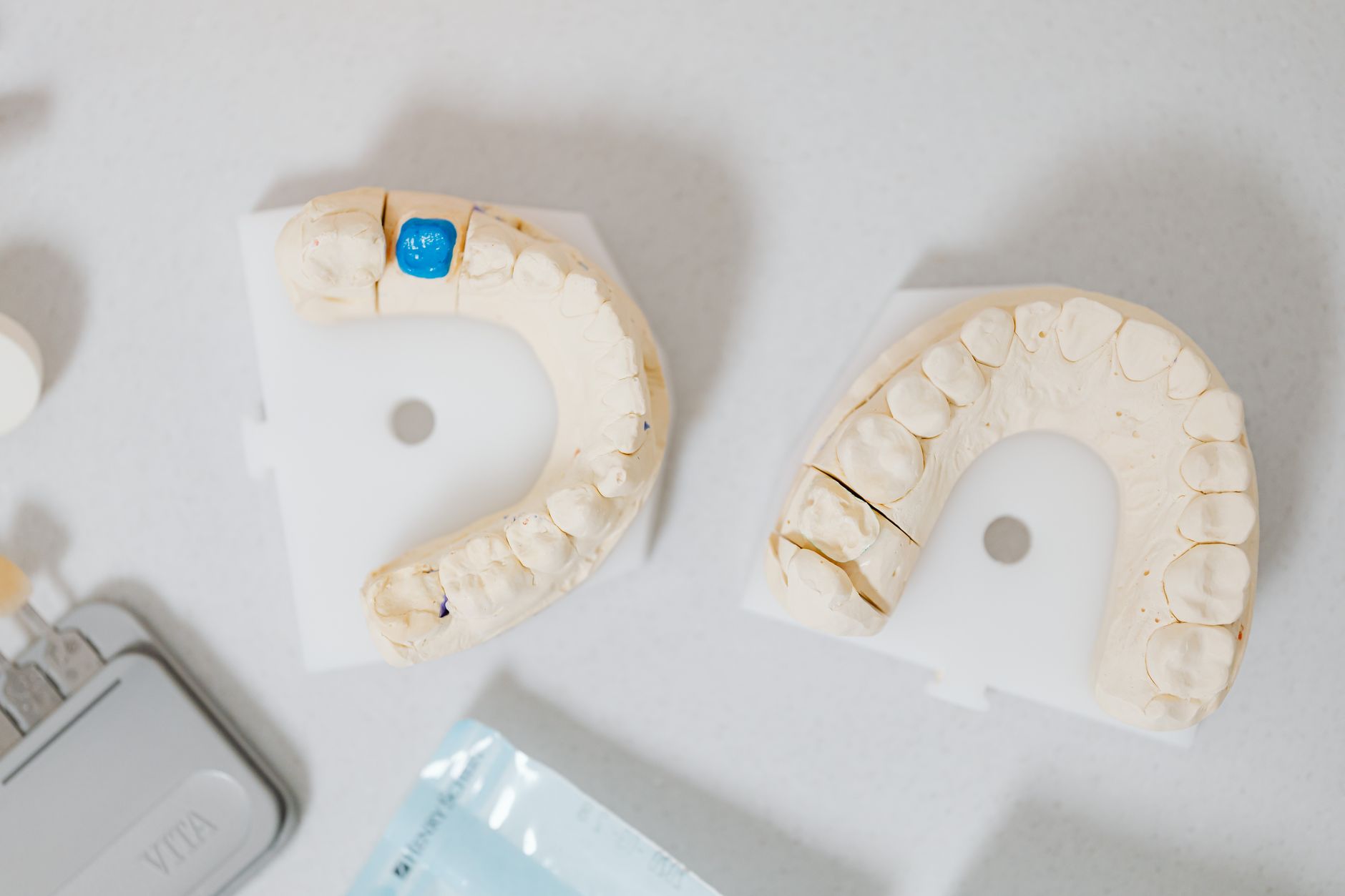
A night guard for teeth is a custom-fitted appliance worn during sleep that cushions the biting surfaces and absorbs grinding forces. It protects against bruxism by preventing enamel wear, cracked teeth and jaw strain, redistributing pressure across the arch so your teeth and temporomandibular joints stay safer overnight.
Waking up with a sore jaw, a dull headache or teeth that feel tender is more common than most people realize. For anyone who clenches or grinds during sleep, a night guard for teeth is often the simplest and least invasive way to stop the damage before it turns into cracked enamel and costly repairs. This guide explains how these appliances work, who needs one, how custom and over-the-counter options compare, and what to expect from a splint made for your bite.
What Is a Night Guard for Teeth
A night guard is a removable appliance, usually made of hard or dual-layer acrylic, that fits over your upper or lower arch. Worn while you sleep, it forms a protective barrier between your teeth so the two rows never grind directly against each other. Dentists and denturists also call it an occlusal splint or a bite splint, and the goal is always the same: shield your teeth and jaw from the pressure of clenching.
Night Guard, Occlusal Splint or Mouth Guard for Grinding
The terms overlap, but there are useful distinctions. A mouth guard for grinding is a broad label for any appliance that limits the effects of bruxism. An occlusal splint is typically a precise, harder device designed to control the bite and protect the temporomandibular joints, while a sports mouthguard is thicker and made to absorb impact. For nighttime grinding, a thin, well-fitted splint is the standard choice.
How a Night Guard Protects Against Bruxism
During an episode of bruxism, the jaw muscles can generate far more force than normal chewing. Over months and years, that repeated load flattens cusps, chips enamel and can loosen fillings or crowns. A night guard for teeth intercepts this force. Instead of enamel grinding on enamel, the appliance takes the wear and spreads the pressure evenly across the arch.
This does three important things:
- Protects tooth structure, so enamel, fillings and crowns are shielded from cracks and flattening.
- Relaxes the jaw, keeping the muscles and temporomandibular joints in a more neutral, less strained position.
- Reduces morning symptoms such as headaches, facial soreness and tooth sensitivity.
Because bruxism has many triggers, it helps to understand the causes and symptoms of bruxism before choosing a treatment. Stress, sleep disorders and an uneven bite can all contribute, and a good plan usually addresses the cause as well as the damage.

Signs You May Need a Night Guard
Many people grind for years without knowing it, because it happens during sleep. Watching for the recognized warning signs of teeth grinding can help you act before the damage adds up. Common indicators include:
- Waking with jaw stiffness, facial soreness or a dull morning headache
- Teeth that look flattened, chipped or increasingly sensitive
- A grinding or clicking sound your sleep partner notices at night
- Tension in the neck and shoulders, or earache-like discomfort
If several of these sound familiar, a professional evaluation of your bite and enamel wear is the logical next step.
Custom Night Guard vs Over-the-Counter Options
Not every guard offers the same protection. A drugstore product can be a reasonable stopgap, but a custom night guard is molded from an exact impression of your mouth, so it fits securely and comfortably enough to wear every night. The table below compares the main options.
| Type of guard | Fit and comfort | Durability | Best suited to |
|---|---|---|---|
| Custom (professionally made) | Precise, tailored to your bite | Longest lasting | Ongoing or moderate to severe bruxism |
| Boil-and-bite (pharmacy) | Approximate, can feel bulky | Moderate | Occasional, mild grinding |
| Stock (one-size) | Loose, often uncomfortable | Shortest | Very short-term use only |
A poorly fitting guard can fall out during sleep or even shift your bite over time, which is why professionally made custom splint and mouthguard options are recommended for anyone grinding regularly.
Not sure whether grinding is already harming your teeth? A professional assessment can measure the wear, check your jaw joints and confirm whether a custom appliance is the right next step for you.
Night Guard Cost and How to Care for It
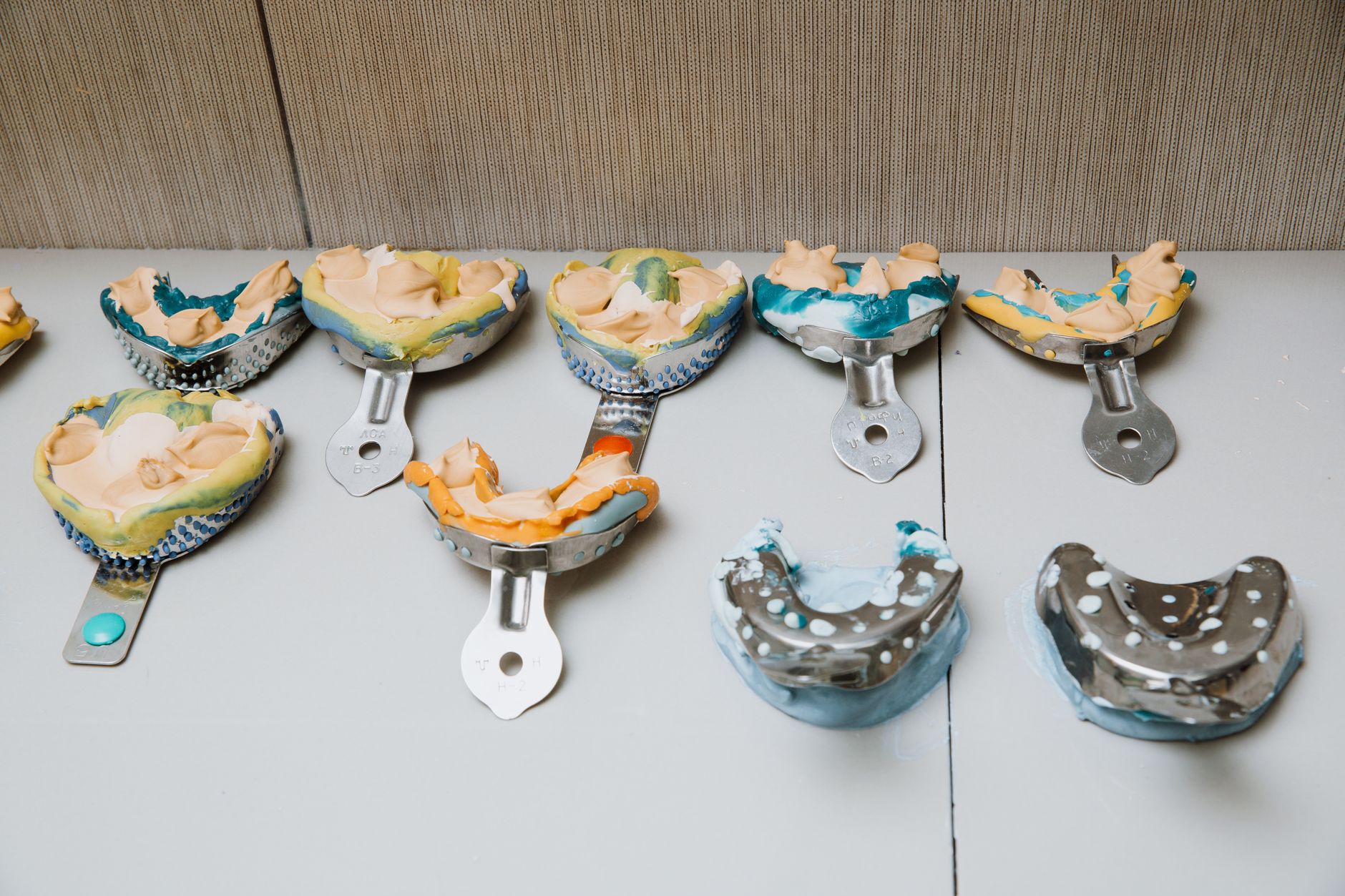
The night guard cost varies with the material, the thickness and whether the appliance also addresses snoring. A custom device costs more than a pharmacy version because it is built from a precise impression and finished to match your bite. The good news is that many Canadian dental insurance plans reimburse part of a custom splint under an occlusal splint code, so it is always worth checking your coverage first.
Caring for the appliance is simple and extends its lifespan:
- Rinse it in cool water after each use and brush it gently
- Let it dry, then store it in a ventilated case away from heat
- Avoid hot water, which can warp the material
- Bring it to your checkups so the fit and wear can be inspected
Once grinding is under control and any damage is stable, cosmetic steps such as professional teeth whitening can help restore the appearance of teeth that bruxism has dulled or flattened.
Does a Night Guard Cure Bruxism
It is important to set realistic expectations. A splint manages bruxism rather than curing it. It protects your teeth and joints from grinding forces, but it does not switch off the habit itself. In fact, a Cochrane review of occlusal splints found the evidence on reducing grinding activity to be inconclusive, while noting a likely benefit for limiting tooth wear.
That is why the best results usually come from combining an appliance with treating the root cause. Depending on the person, that might involve stress management, better sleep habits, correcting an uneven bite, or screening for sleep apnea. Mayo Clinic likewise lists a mouth guard among the first-line treatments, used alongside these supporting measures rather than in isolation.
Conclusion
A night guard for teeth is one of the most reliable, low-risk ways to protect your smile from the slow damage of bruxism. By absorbing grinding forces, it spares your enamel, calms your jaw and helps you wake with less pain, especially when a custom fit is paired with addressing what is driving the grinding in the first place. If morning soreness or worn teeth sound familiar, speak with a qualified professional about a custom appliance and take the first step toward protecting your teeth for years to come.