
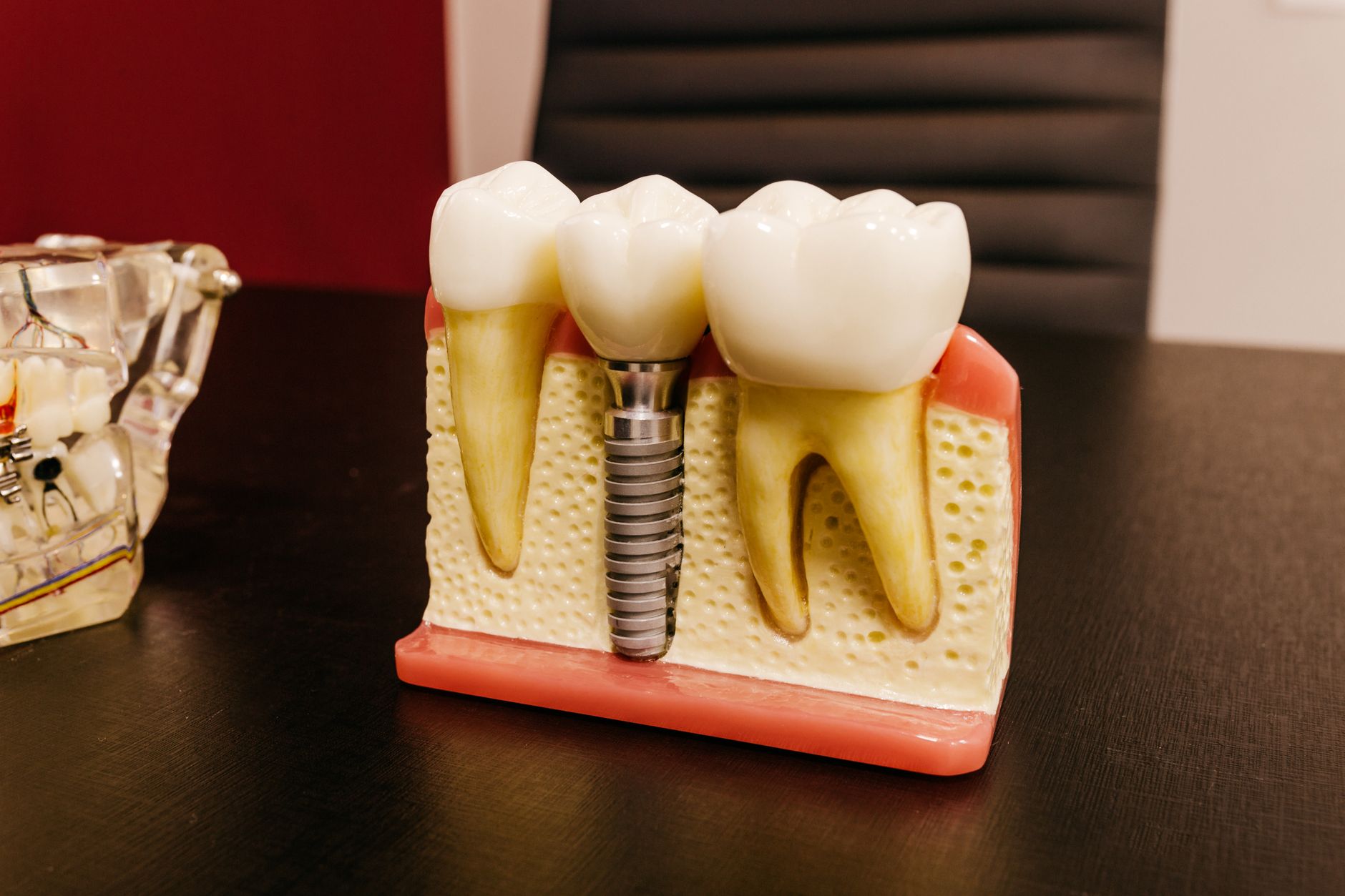
An overdenture on 2 implants is a removable lower denture that snaps onto two implants placed in the front of the jaw. The implants add strong retention and stability, while the gum still supports the denture, giving edentulous patients far better chewing, comfort, and confidence than a conventional denture.
Choosing an overdenture on 2 implants can be the difference between a lower denture that constantly slips and one that stays put through every meal and conversation. For people who have lost all their lower teeth, a floating, painful denture is a daily source of frustration and lost confidence.
This guide explains how the treatment works, what it changes in your comfort and chewing, and why two implants have become the go-to solution in modern denturology.
What Is an Overdenture on 2 Implants
An overdenture is a removable prosthesis that rests on the gums but locks onto dental implants for added grip. In the two-implant version, two titanium implants are placed in the front of the lower jaw, usually in the canine areas, and the denture clips onto them.
Unlike a fixed bridge screwed permanently in place, this prosthesis stays removable for easy cleaning. It is often described as implant-retained and tissue-supported, meaning the implants handle retention while your gums and ridge still share the chewing load.
This hybrid design is one reason implant-retained mandibular overdentures have become a trusted option for the fully edentulous lower jaw.
How the Treatment Works Step by Step
Getting a lower denture stabilized by two implants follows a clear, staged process. Each step protects the implants and lets the bone bond firmly around them before the denture is loaded.
- Assessment and planning. A clinician reviews your bone volume, gum health, and existing denture, often using imaging to map implant positions.
- Implant placement. Two implants are surgically inserted into the front of the lower jaw during a short procedure.
- Healing and integration. Over the following months, the bone fuses to the implants in a process called osseointegration.
- Attachment connection. Once healed, the implants are fitted with attachments, commonly LOCATOR style connectors or a bar.
- Denture fitting. Your denture is adapted or made new so it clips securely onto the attachments.
The denture is designed to be taken out daily. You unclip it, clean both the prosthesis and the attachments, then snap it back into place. Learn more about removable dentures on implants and how they are built for maximum stability.
Key Benefits of a Two-Implant Lower Overdenture
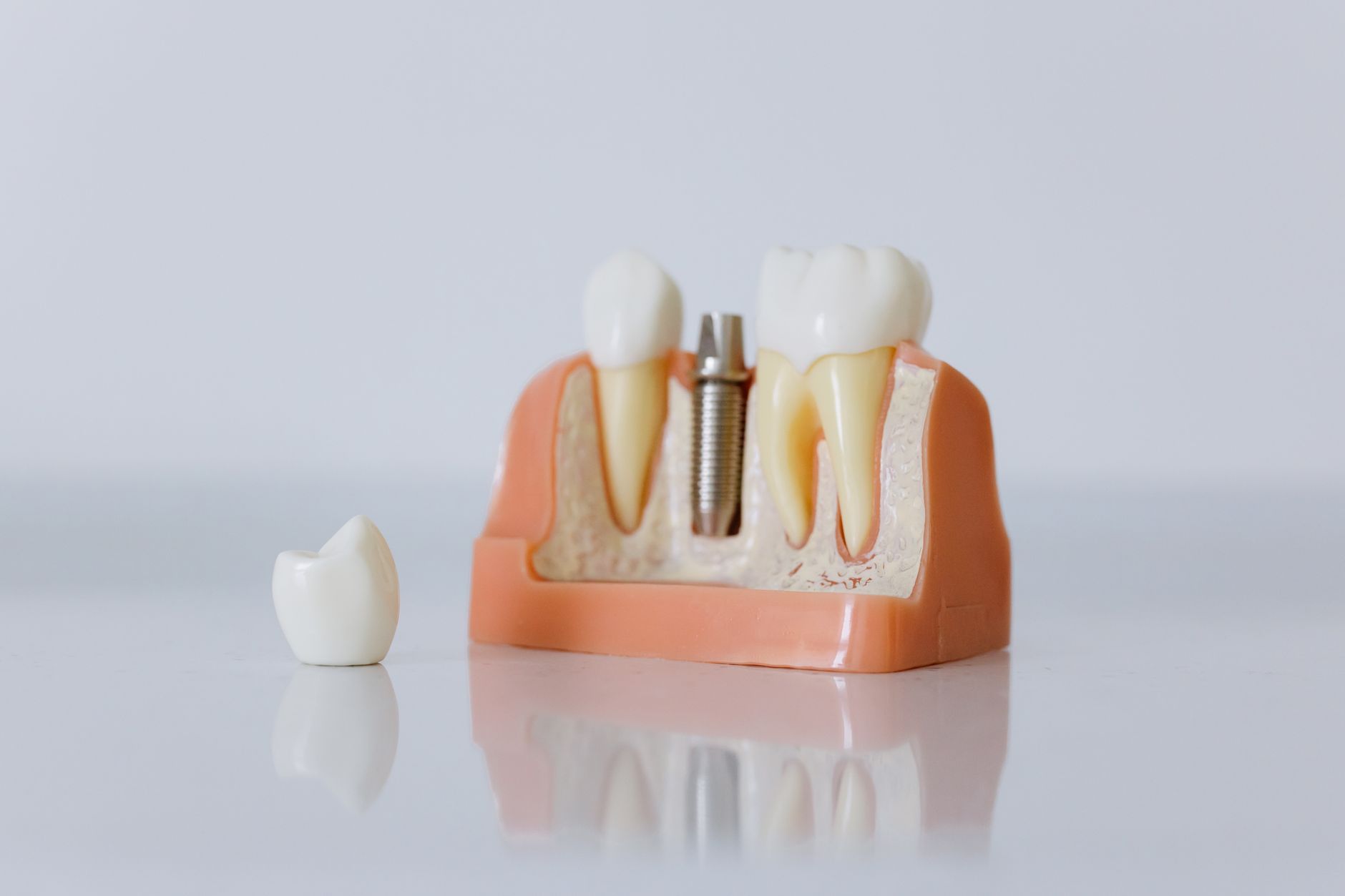
The advantages of stabilizing a lower denture with implants are well documented in clinical research. The improvements show up quickly and tend to hold over the long term.
- Stronger retention and stability. The denture no longer floats or rocks, so it stays put while you eat and speak.
- Better chewing function. Patients regain a wide range of foods, which supports nutrition and digestion.
- Bone preservation. Implants stimulate the jawbone, slowing the ridge shrinkage that plagues long-term denture wearers.
- More comfort and confidence. Less rubbing, fewer sore spots, and no fear of the denture shifting in public.
- Improved quality of life. One clinical study reported a marked gain in oral health-related quality of life, around a 17 point improvement on the OHIP scale within the first month, that stayed stable at one year.
The table below shows how a two-implant overdenture compares with a conventional lower denture.
| Feature | Conventional lower denture | Overdenture on 2 implants |
|---|---|---|
| Retention and stability | Relies on suction, often slips | Clips firmly onto two implants |
| Chewing power | Limited, avoids hard foods | Substantially improved |
| Bone preservation | Ridge shrinks over time | Bone is stimulated and better preserved |
| Removable for cleaning | Yes | Yes |
| Long-term comfort | Frequent sore spots | Far fewer pressure issues |
How Many Implants Do You Need
Two implants in the front of the lower jaw are widely accepted as the standard of care for a retentive lower denture. This position, two implants in the anterior mandible, is backed by the well-known McGill and York consensus statements on treating the edentulous mandible.
One implant versus two
A single-implant lower denture is emerging as a minimally invasive, lower-cost option, particularly for older patients. Studies have reported around 97 percent implant survival with high satisfaction in geriatric patients. Still, most evidence continues to treat two implants as the reliable benchmark.
When more implants help
Some patients with very resorbed ridges benefit from a third implant, which can reduce front-to-back rocking and add stability. The best count depends on your bone quality and quantity, opposing teeth, budget, and manual dexterity.
If you are weighing your options, book a professional evaluation to see whether two implants suit your jaw and goals before making any decision.

Who Is a Good Candidate
An overdenture on 2 implants suits many fully edentulous patients, especially those who struggle with a loose lower denture or a shrinking ridge. Good candidates generally have enough bone in the front of the jaw, healthy gums, and reasonable overall health for a minor surgical procedure.
Smokers, people with uncontrolled diabetes, or those with very limited bone may need extra planning or preparatory steps. A thorough consultation and imaging determine whether dental implant placement is appropriate for your situation.
Caring for Your Implant Retained Denture
Daily care keeps both the implants and the prosthesis in good shape. Clean the denture and the attachments every day, and gently clean around each implant to keep the gums healthy.
Attachment inserts wear over time and are simple to replace, and the removable denture may eventually need a reline or remake as your mouth changes. Regular checkups let your denturologist catch small issues early, which protects your investment and your comfort for years.
Conclusion
An overdenture on 2 implants gives edentulous patients a stable, comfortable, and confidence-boosting alternative to a loose lower denture, with better chewing, real bone preservation, and a strong track record in clinical practice. Two implants in the front of the jaw remain the trusted standard, while one or three implants can fit specific needs. To find out which approach matches your jaw and lifestyle, schedule a consultation with a qualified denturology team and take the first step toward a denture that finally stays in place.