
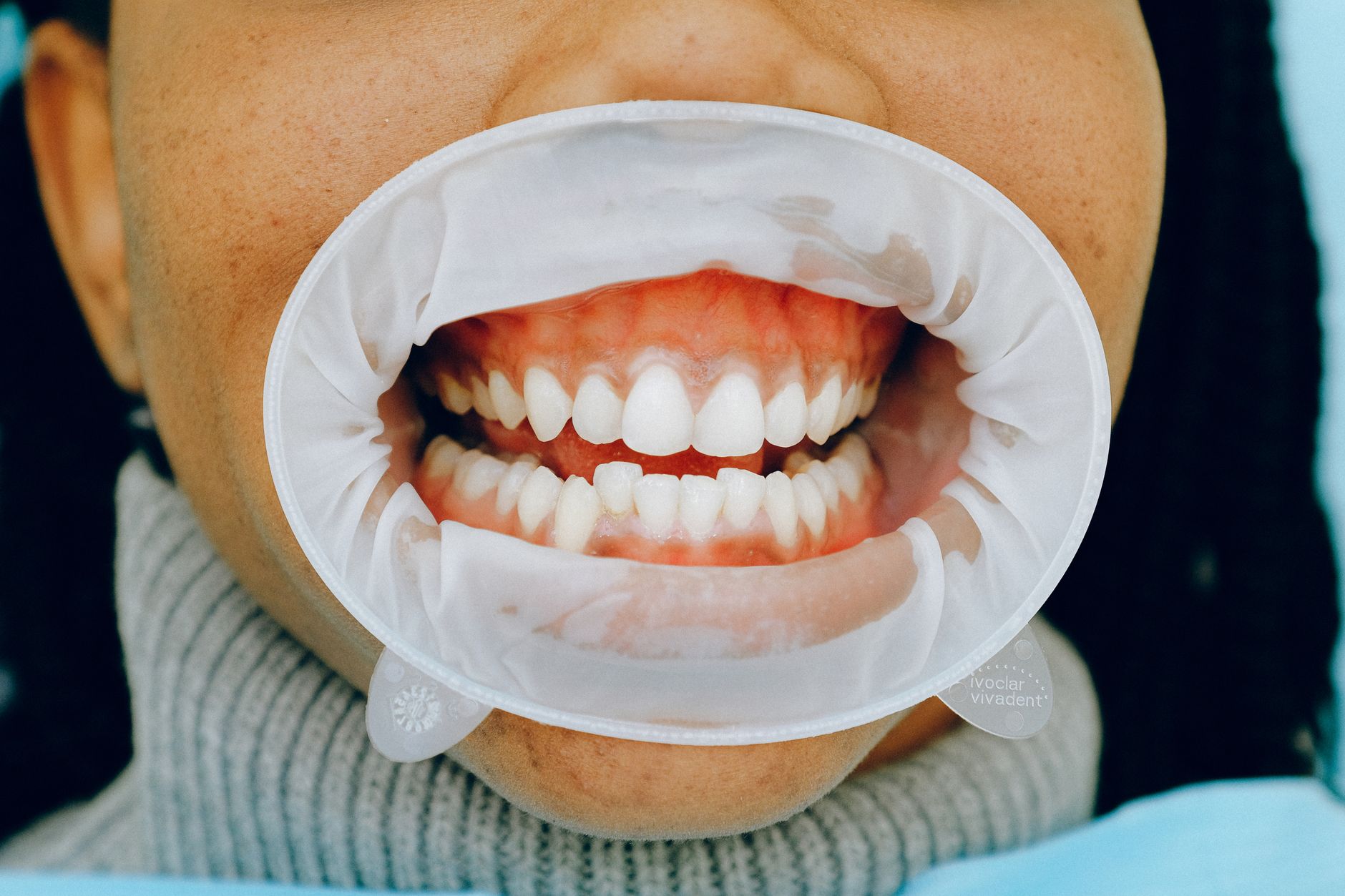
Periodontitis symptoms include red, swollen or bleeding gums, persistent bad breath, gum recession, loose teeth and pockets forming between the teeth and gums. This advanced gum disease slowly destroys the bone that supports your teeth. Left untreated, it is a leading cause of tooth loss, though early treatment can stop it.
Healthy gums rarely make headlines, but ignoring the first periodontitis symptoms can quietly cost you your teeth. Gum disease is one of the most common chronic infections in Canada, and it often advances without pain until real damage is done. The good news is that when you know what to look for, you can act early, protect the bone around your teeth and keep your natural smile for decades.
According to the Canadian Dental Association, roughly seven in ten Canadians will develop some form of gum disease during their lifetime, and it remains one of the leading reasons adults lose teeth. Understanding how the infection develops is the first step toward stopping it.
What Periodontitis Is and How It Develops
Periodontitis is an advanced form of gum disease. It begins when plaque, a sticky film of bacteria, builds up along the gumline. If plaque is not removed, it hardens into tartar (also called calculus) that a toothbrush can no longer clean away. The bacteria trapped in tartar irritate the gums and trigger inflammation.
Over time, that inflammation spreads below the gumline, where the bacteria attack the ligaments and bone that anchor your teeth. Unlike gingivitis, the damage at this stage is no longer fully reversible, which is why catching the warning signs early matters so much.
The Stages of Periodontal Disease
Gum disease moves through recognizable stages of periodontal disease, from mild and reversible to advanced and destructive. Knowing where you stand helps you and your oral health team choose the right response.
Gingivitis
Gingivitis is the earliest stage. Gums may look red or puffy and bleed slightly during brushing, but there is usually no pain and no bone loss yet. This stage is reversible with professional cleaning and consistent home care.
Early and Moderate Periodontitis
When gingivitis is ignored, the infection moves below the gumline. Small pockets form between the teeth and gums, the first bone loss begins, and bad breath or gum recession may appear. Damage can be controlled at this point, but not undone.
Advanced Periodontitis
In advanced cases, significant bone loss leaves teeth loose or shifting, pockets deepen, and abscesses or pus can develop. Without treatment, affected teeth may eventually fall out or need removal.
| Stage | Common signs | Reversible | Typical care |
|---|---|---|---|
| Gingivitis | Red, puffy gums, light bleeding | Yes | Professional cleaning, better home care |
| Early periodontitis | Shallow pockets, mild recession, bad breath | No, but controllable | Scaling and root planing |
| Moderate periodontitis | Deeper pockets, early bone loss, sensitivity | No | Deep cleaning, possible antibiotics |
| Advanced periodontitis | Loose teeth, major bone loss, pus | No | Surgery, tissue regeneration, extraction if needed |
Early Periodontitis Symptoms You Should Never Ignore
Because gum disease is often painless at first, many people miss it. Watch for these early periodontitis symptoms and book a professional assessment if any appear:
- Gums that bleed when you brush or floss
- Red, swollen, tender or shiny gums
- Persistent bad breath or a bad taste in the mouth
- Gums pulling away from the teeth (recession)
- Longer-looking teeth or new gaps between them
- Teeth that feel loose, sensitive or that shift position
- Pus or discomfort between a tooth and the gum
If you have noticed bleeding gums or loose teeth, a professional periodontal assessment can tell you exactly which stage you are at and what to do next. Booking an evaluation early is the simplest way to keep a small problem from becoming a costly one.
Periodontal Disease Treatment Options
Effective periodontal disease treatment depends on how far the infection has advanced. The goal is always the same: remove the bacteria, calm the inflammation and preserve as much natural bone and tissue as possible. You can review the full scope of professional gum disease care before your appointment.
Non-Surgical Treatment
For early and moderate cases, scaling and root planing (a deep cleaning) removes tartar from below the gumline and smooths the tooth roots so the gums can reattach. Targeted antibiotics are sometimes added. According to the Cleveland Clinic, this non-surgical approach resolves most cases that are treated before major bone loss occurs.
Surgical Treatment
Advanced periodontitis may call for pocket reduction surgery or bone and tissue grafts to rebuild lost support. These procedures are usually handled by a specialist with extra training in gum and bone regeneration.
When a Tooth Cannot Be Saved
If a tooth is too damaged by bone loss to keep, a planned tooth extraction procedure protects the surrounding bone and neighbouring teeth. Modern tooth replacement options such as implants can then restore function and appearance.
How to Prevent Tooth Loss and Protect Your Gums
Prevention is by far the most reliable defence against gum disease. A steady routine keeps plaque under control and stops small warning signs from becoming permanent bone loss and loose teeth:
- Brush twice a day with a soft brush and fluoride toothpaste
- Floss or use interdental brushes once every day
- Book a professional cleaning and exam about every six months
- Quit smoking, which sharply raises periodontal risk
- Manage conditions like diabetes that worsen gum disease
- Act quickly on bleeding, recession or bad breath instead of waiting
Is There a Periodontitis Cure
Many people search for a quick periodontitis cure, but the honest answer depends on the stage. Gingivitis can be reversed entirely. Once bone has been lost, there is no simple periodontitis cure that regrows it overnight, yet treatment can stop the disease, control the infection and keep your teeth stable for the long term. Early action is what makes the biggest difference.
Conclusion
Recognizing periodontitis symptoms early is the single most powerful thing you can do to avoid bone loss and tooth loss. Gum disease is common, largely preventable and highly treatable when caught in time. If you have spotted bleeding gums, recession or loosening teeth, do not wait for pain to appear. A timely professional periodontal evaluation gives you a clear diagnosis and a plan to protect your smile for years to come.
Frequently Asked Questions
What are the most common periodontitis symptoms?
Periodontitis symptoms usually appear gradually and include gums that look red, swollen or shiny, bleeding when you brush or floss, and persistent bad breath. As the disease advances, you may notice gum recession, sensitivity, pus between the teeth and gums, deepening pockets, and teeth that feel loose or shift position. Because the condition is often painless early on, regular dental checkups remain the most reliable way to catch it.
Can periodontitis be reversed or cured?
Gingivitis, the earliest stage, is fully reversible with professional cleaning and good home care. True periodontitis is different. Once bacteria destroy bone and ligament, that lost support does not grow back on its own, so there is no simple periodontitis cure. However, treatment such as scaling, root planing and, when needed, surgery can stop the infection, control the disease and keep your remaining teeth healthy and stable for many years.
How is periodontal disease treated?
Periodontal disease treatment depends on how far the infection has progressed. Early cases respond well to a professional cleaning that removes plaque and hardened tartar above and below the gumline. Moderate cases often need scaling and root planing, a deep cleaning that smooths the roots so gums can reattach. Advanced cases may require surgery to reduce pockets or regenerate lost tissue. Consistent follow-up visits keep the disease under control afterward.
Does periodontitis always lead to tooth loss?
No. Tooth loss is the worst outcome of untreated gum disease, not an inevitable one. When periodontitis is caught before extensive bone loss occurs, treatment can halt its progression and save the affected teeth. The key is acting on warning signs like bleeding, recession or loosening rather than waiting for pain. With timely care, thorough daily hygiene and regular professional cleanings, most people keep their natural teeth for life.