

Root canal pain is largely a myth. The procedure itself is designed to relieve pain, not cause it. With effective local anesthesia, most patients report that treatment feels similar to getting a routine filling, while mild soreness afterward usually fades within a few days.
Few dental treatments carry a scarier reputation than the root canal, and much of the fear surrounding root canal pain comes from outdated stories rather than modern clinical reality. If a throbbing tooth has you dreading the dentist, the good news is that today's techniques are gentle, precise and focused on your comfort.
This guide walks you through what really happens, why it hurts less than you think, how recovery unfolds, and what influences the price. By the end, you will know exactly what to expect before you ever sit in the chair.
Why root canal pain is mostly a myth
The painful reputation dates back nearly a century, when anesthesia was primitive and the procedure was genuinely uncomfortable. That reputation stuck, even though the treatment has changed completely. The Canadian Dental Association explains that endodontic therapy is a safe, routine way to save a tooth whose pulp has become inflamed or infected.
Here is the key point most people miss. The pain you feel before treatment comes from the infection inside the tooth, not from the dentist. The procedure removes that infected tissue, which is what finally relieves the ache.
Modern anesthesia numbs the tooth and surrounding area completely, so you should feel only slight pressure or movement. The American Association of Endodontists confirms that treatment feels similar to a routine filling and reports a success rate often above 90 percent.
You might need endodontic care if you notice any of the following warning signs:
- Intense, lingering tooth pain, especially when biting
- Prolonged sensitivity to hot or cold that does not settle
- Swelling or tenderness in the nearby gum
- A darkening or discoloured tooth
- A small, recurring pimple on the gum near the tooth
What actually happens during the root canal procedure
Understanding the root canal procedure removes a lot of the anxiety. The goal is simple: clean out the infected pulp, disinfect the space, then seal the tooth so bacteria cannot return. Most treatments are completed comfortably in one or two visits.
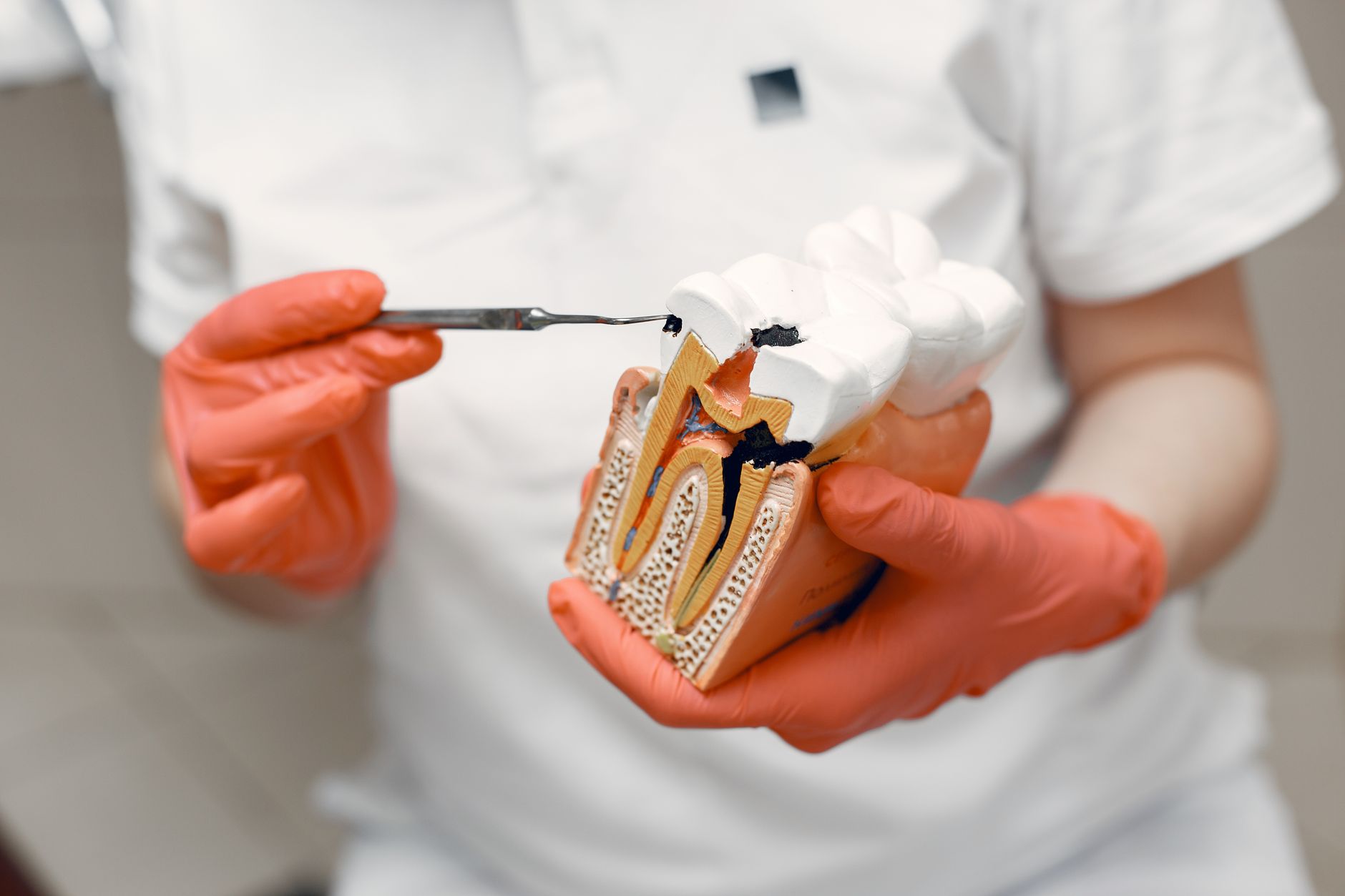
Inside every tooth, beneath the hard enamel and dentin, sits soft pulp containing nerves and blood vessels. Once a tooth is fully grown, it can survive without that pulp, because the surrounding tissue takes over its nourishment. That is why removing infected pulp saves the tooth instead of sacrificing it.
The main root canal steps
The root canal steps follow a clear, predictable sequence:
1. The dentist numbs the tooth with local anesthesia.
2. A small opening is made to reach the pulp chamber.
3. The infected or injured pulp is removed and the canals are cleaned.
4. The canals are disinfected and shaped.
5. The space is filled and sealed with a rubber-like material called gutta percha.
6. A temporary or permanent filling closes the tooth, often followed by a crown for protection.
If the damage started as untreated decay, learning more about treating a deep cavity can help you catch problems before they ever reach the pulp. When a tooth is too damaged to save, comparing root canal versus extraction can clarify your best path forward.
How pain compares before, during and after treatment
To picture the whole experience at a glance, it helps to separate the three stages. The heaviest discomfort almost always happens before you seek care, not during it.
| Stage | What you typically feel | Usual duration |
|---|---|---|
| Before treatment (active infection) | Throbbing, sharp pain and strong sensitivity | Until the tooth is treated |
| During the procedure | Numbness, slight pressure, no sharp pain | Length of the appointment |
| After treatment (recovery) | Mild soreness or tenderness | A few days |
If persistent tooth pain is keeping you up at night, do not wait for it to worsen. Booking a dental evaluation lets a local team confirm whether endodontic care is the right solution and put your mind at ease.
What root canal recovery really feels like
Root canal recovery is usually mild and short. As the anesthesia wears off, some tenderness in the tooth and jaw is normal, mostly because your mouth stayed open during the appointment. These sensations respond well to over-the-counter pain medication.
Following a few simple habits helps the area heal smoothly and keeps root canal pain from lingering longer than it should:
- Wait until the numbness fully wears off before eating, to avoid biting your cheek or tongue
- Chew on the opposite side until any permanent crown or filling is placed
- Brush and floss gently but regularly around the treated tooth
- Take any prescribed or over-the-counter medication as directed
- Contact your clinic promptly if you notice swelling or severe pain
For more detailed guidance, the post-treatment care instructions from endodontic specialists explain how to protect the tooth until your final restoration is complete.
How much does a root canal cost
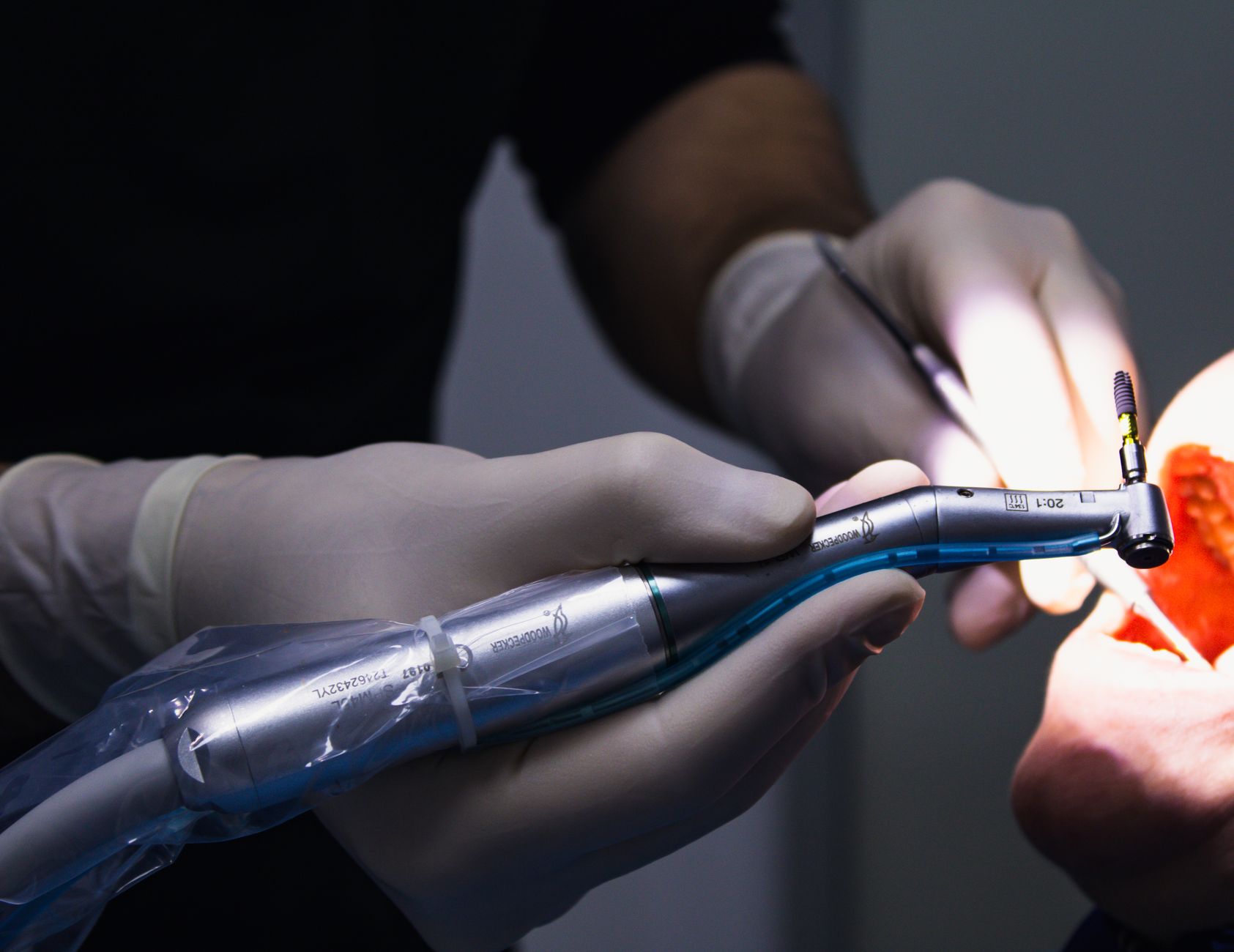
Root canal cost varies from one case to the next, so no single price applies to everyone. The tooth being treated matters most, because molars have more canals than front teeth and take longer to complete. The complexity of the infection and the need for a crown afterward also affect the total.
Several factors shape the final estimate:
- Which tooth is treated (front tooth, premolar or molar)
- The number of canals and the difficulty of the anatomy
- Whether a crown or additional restoration is required
- Coverage available through your dental insurance plan
Fees in the province generally follow the standard dental fee guide, and part of the cost may be reimbursed by insurance. The most reliable figure is always a written estimate tailored to your tooth. A professional root canal treatment consultation is the clearest way to understand your specific situation and options.
Conclusion
Understanding root canal pain removes the fear that keeps so many people suffering with an infected tooth. The procedure is built to end pain, not create it, and modern anesthesia keeps you comfortable from start to finish. Recovery is short, the success rate is high, and saving your natural tooth is almost always worth it. If a persistent toothache is affecting your daily life, reach out to a trusted dental team for a personalized assessment and take the first step toward lasting relief.
Frequently asked questions
Is root canal pain as bad as people say?
No. Root canal pain is mostly a myth rooted in outdated dentistry. Modern local anesthesia numbs the tooth completely, so the treatment itself usually feels similar to a routine filling. The discomfort people remember almost always comes from the infection beforehand, not the procedure. Afterward, expect only mild tenderness for a few days, easily managed with over-the-counter pain relief and gentle chewing on the treated side.
How long does root canal recovery take?
Most people feel back to normal within a few days. Mild tenderness or sensitivity around the treated tooth is common as the tissues heal, especially when biting down. This usually responds well to over-the-counter pain medication and gentle brushing. Avoid chewing hard foods on that side until any permanent crown or filling is placed. If swelling or severe pain appears, contact your dental clinic promptly for advice.
Is a root canal better than pulling the tooth?
In most cases, saving your natural tooth with endodontic treatment is preferable to extraction. A restored tooth keeps your bite aligned, protects neighbouring teeth and avoids the cost of a bridge or implant later. Extraction may be recommended when a tooth is severely cracked or beyond repair. Your dentist will weigh the condition of the tooth, your overall health and long-term function before recommending the best option for you.
How much does a root canal cost in Quebec?
Root canal cost in Quebec varies and no single price fits every case. The main factors are which tooth is treated, since molars have more canals than front teeth, the complexity of the infection and whether a crown is needed afterward. Fees generally follow the provincial dental fee guide, and part of the cost may be covered by insurance. Ask your clinic for a personalized written estimate before treatment begins.