
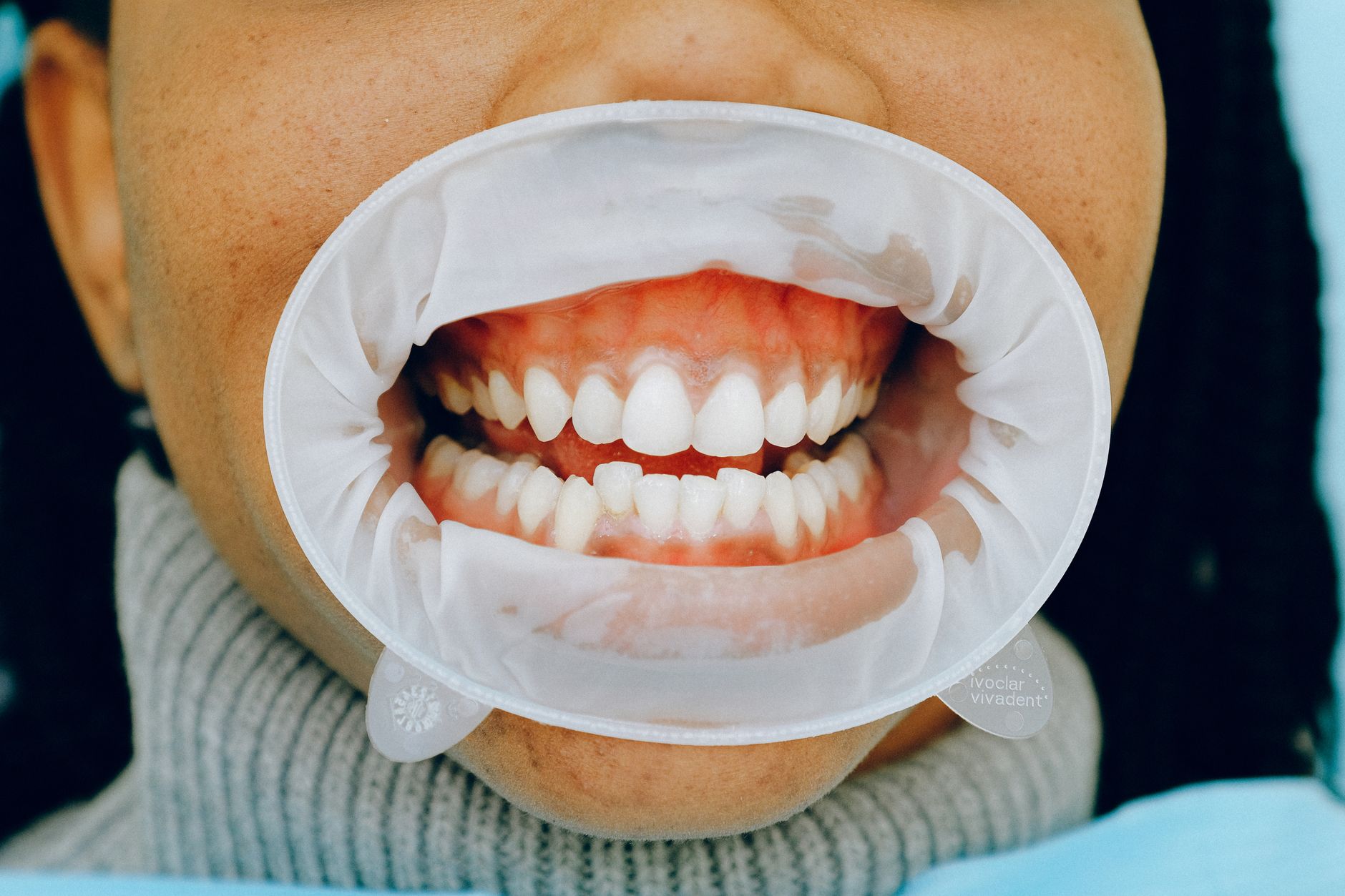
Bruxism treatment focuses on protecting your teeth and easing jaw strain caused by grinding and clenching. The most common approach is a custom occlusal splint, or night guard, worn during sleep. Managing stress, improving sleep habits and treating underlying issues also help stop teeth grinding over time.
Grinding your teeth might seem harmless, yet over months and years it can quietly wear down enamel, crack fillings and leave you waking up with a sore jaw. If you have ever been told you clench at night, understanding your bruxism treatment options is the first step toward relief. This condition affects children and adults alike, and many people grind for years without realizing it.
The good news is that grinding is manageable. With the right protection and a few targeted habit changes, you can shield your teeth from further damage and calm the muscle tension behind the problem.
What Is Bruxism and Why Teeth Grinding Happens
Bruxism is the involuntary clenching, gnashing or grinding of teeth. It comes in two forms. Awake bruxism happens during the day, often while concentrating or under stress. Sleep bruxism happens unconsciously at night and is considered a sleep-related movement disorder.
Sleep grinding is usually the more damaging of the two, precisely because you cannot control it. The jaw muscles can generate far more force during sleep than when you chew normally, which is why night grinding wears teeth down so quickly.
Because the behaviour is unconscious, most people only discover it once symptoms appear or a dentist spots the wear during a routine exam.
Common Bruxism Symptoms to Watch For
Recognizing the warning signs early helps you act before serious damage sets in. According to the teeth grinding symptoms outlined by Mayo Clinic, the effects range from worn enamel to persistent facial pain.
Watch for these common bruxism symptoms:
- Teeth that are flattened, chipped, fractured or loose
- Worn enamel that exposes deeper, more sensitive layers of the tooth
- Increased tooth sensitivity to hot and cold
- Jaw, neck or face soreness, especially in the morning
- Tight or tired jaw muscles that feel locked
- Dull headaches starting around the temples
- Grinding sounds loud enough to disturb a sleep partner
If your symptoms are worse when you wake up and ease as the day goes on, sleep bruxism is the likely cause. Symptoms that build through the day point more toward awake clenching.
What Causes Teeth Grinding at Night
There is rarely a single trigger. Research summarized in the StatPearls clinical review of bruxism management points to a mix of psychological, genetic and environmental factors working together.
The most frequently cited contributors include:
- Stress and anxiety. Tension, anger and frustration are strongly linked to both awake and sleep grinding.
- Sleep disorders. Snoring and sleep apnea often occur alongside sleep bruxism.
- Stimulants and lifestyle. Caffeine, alcohol, tobacco and recreational drugs can all raise the risk.
- Bite and alignment issues. A misaligned bite may encourage the jaw to grind.
- Family history. Sleep bruxism tends to run in families.
Understanding your personal triggers matters, because effective care treats the cause and not just the damage. Someone grinding from stress needs a different plan than someone whose grinding stems from a bite problem or an untreated sleep disorder.
Bruxism Treatment Options That Protect Your Teeth
The cornerstone of bruxism treatment is protecting the tooth surfaces while addressing what drives the grinding. A dentist will usually start with a protective oral appliance, then layer in habit and lifestyle changes based on your situation.
Here is how the main options compare.
| Treatment option | How it helps | Best suited for |
|---|---|---|
| Custom occlusal splint | Precisely fitted guard that absorbs grinding forces and protects enamel | Moderate to severe or nightly grinding |
| Store-bought night guard | Ready-made or boil-and-bite guard offering basic, short-term protection | Occasional or very mild grinding |
| Bite correction | Orthodontics or restorations that fix misalignment driving the grinding | Grinding linked to an uneven bite |
| Stress management | Relaxation, exercise and sleep hygiene to reduce muscle tension | Grinding triggered by stress or anxiety |
| Treating sleep disorders | Managing conditions such as sleep apnea that fuel night grinding | Grinding tied to disrupted sleep |
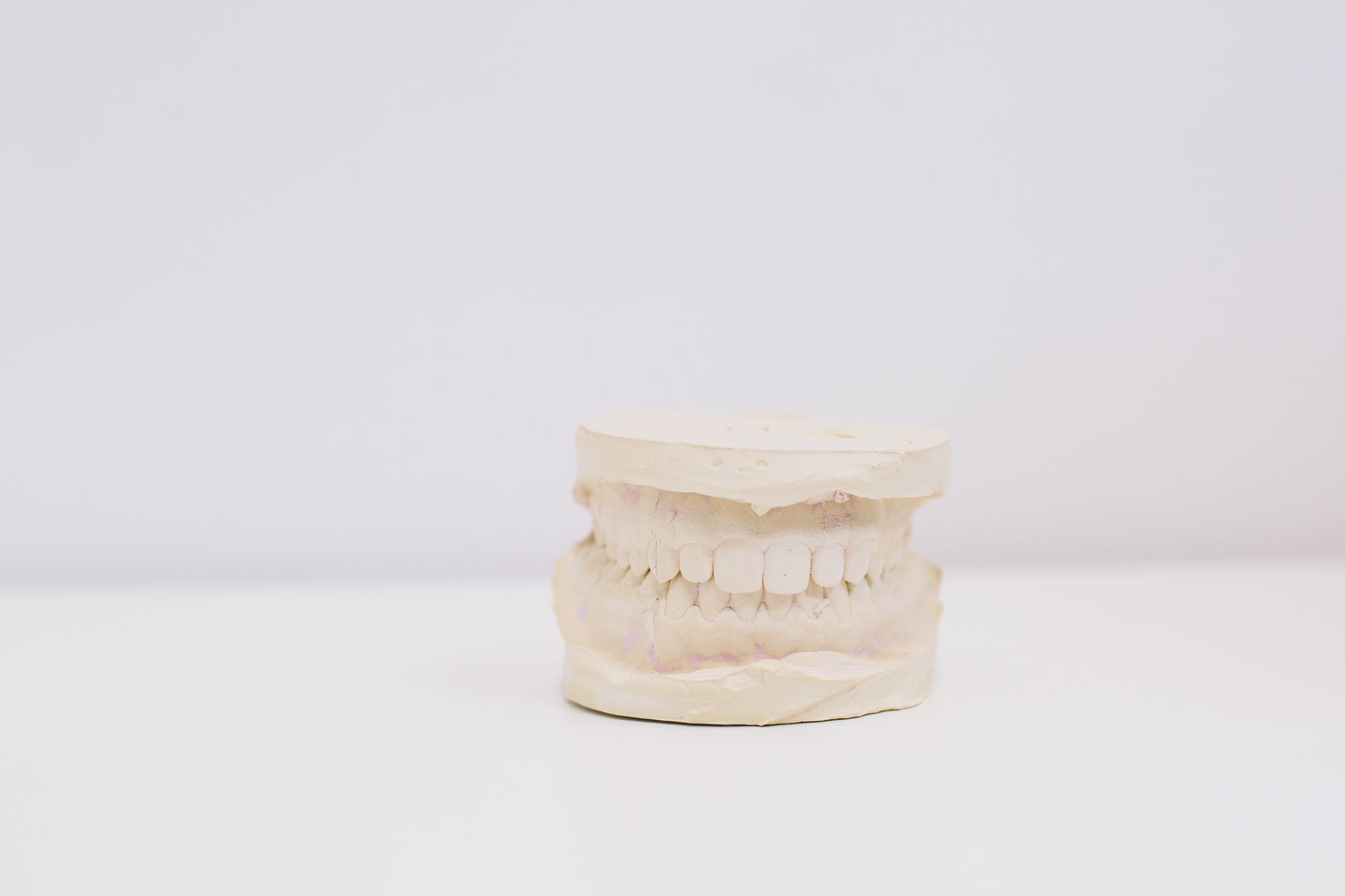
A well-made occlusal splint does not necessarily stop the jaw from grinding, but it takes the force that would otherwise crack a tooth and spreads it across a durable surface. For anyone with steady wear, a professionally fitted appliance is the most reliable safeguard. You can learn how a custom occlusal splint for bruxism is designed and fitted, and how it fits into a broader care plan.
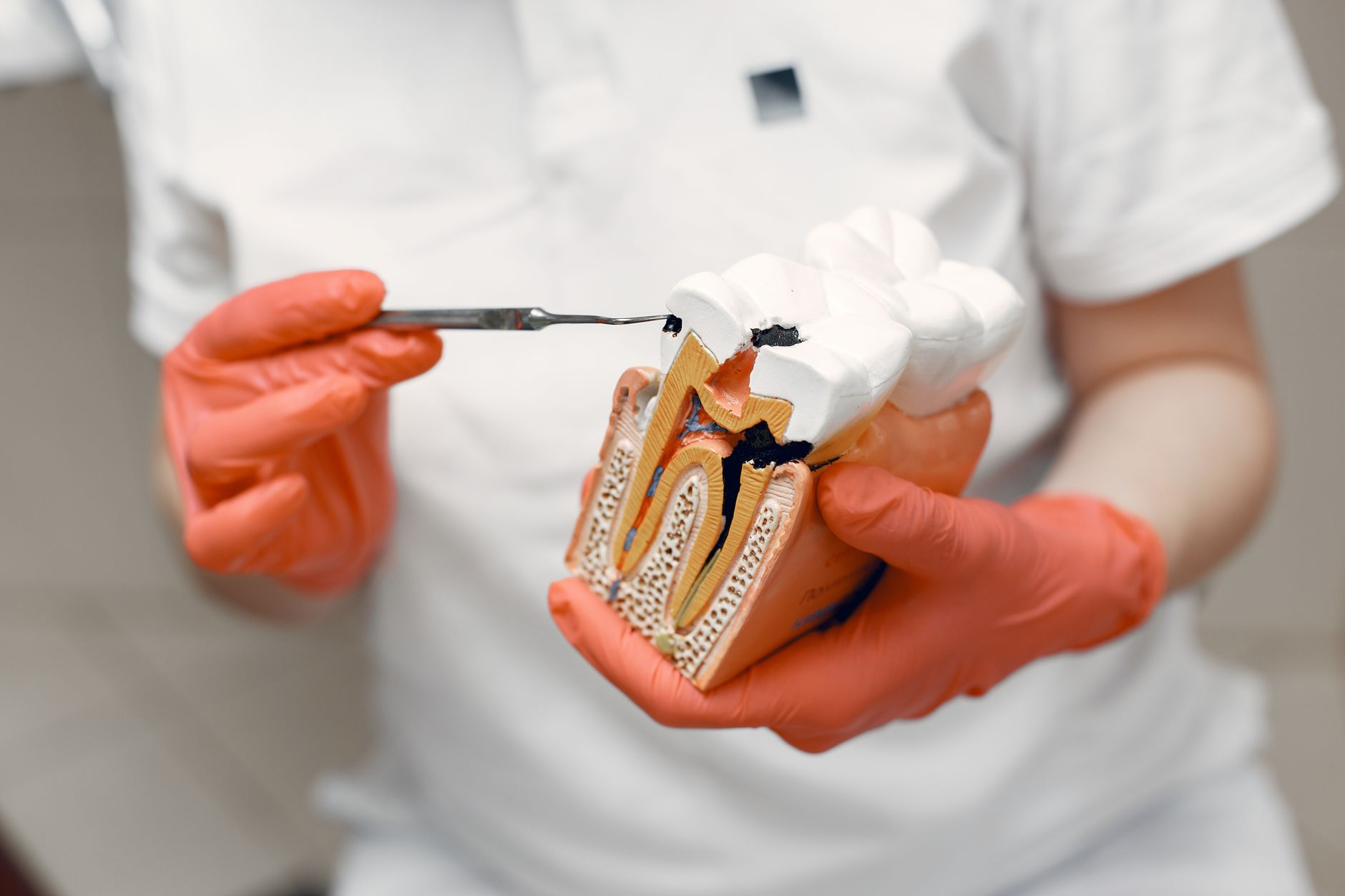
When grinding has already chipped teeth or triggered decay, restoring those surfaces matters too. Repairing damage through modern cavity treatment options helps rebuild strength before a small crack becomes a bigger problem.
One important caution applies. If you have obstructive sleep apnea, a standard splint can make it worse. In that case, a dentist may recommend a mandibular advancement device instead, which is why a proper evaluation always comes first.
If you are waking with jaw pain or noticing your teeth look shorter or more sensitive than before, booking a professional evaluation is the fastest way to protect your smile before the damage grows.
How to Stop Grinding Your Teeth at Home
While appliances protect your teeth, self-care can reduce how often you grind in the first place. These habits work best alongside professional guidance, not as a replacement for it.
- Improve sleep hygiene. Keep a consistent, calming bedtime routine to lower the muscle tension that feeds night grinding.
- Wind down before bed. A warm bath, gentle stretching or reading helps relax the jaw and mind.
- Practice jaw awareness. During the day, notice when you clench and consciously keep your teeth slightly apart.
- Cut evening stimulants. Reducing caffeine, alcohol and tobacco, especially at night, can ease grinding.
These changes take patience, but combined with a night guard they give teeth grinding at night far less room to cause harm. Restoring the look of teeth already worn or dulled by years of grinding is also possible once the grinding is under control, for example through professional teeth whitening care.
When to See a Professional
Mild, occasional grinding may never need treatment. But you should seek help when symptoms become frequent or start affecting your teeth and daily comfort.
Book an appointment if you notice ongoing jaw pain, morning headaches, visibly worn or cracked teeth, or if a partner reports loud grinding at night. A dentist can measure the wear, rule out related conditions such as sleep apnea and recommend the safest appliance for your case. Early action keeps a manageable habit from turning into fractured teeth, failed restorations or chronic jaw pain.
Conclusion
Effective bruxism treatment blends protection and prevention. A custom night guard shields your enamel from grinding forces, while managing stress, sharpening your sleep habits and treating any underlying sleep disorder tackle the root of the problem. Because sleep grinding is unconscious and often silent, the wear can advance for years before you notice it, which makes early evaluation so valuable.
If you suspect you grind or clench at night, do not wait for a cracked tooth to force the issue. A professional assessment will confirm what is happening and match you with the right plan to stop teeth grinding and keep your smile strong for years to come.
Frequently Asked Questions
What is the most effective bruxism treatment?
Bruxism treatment works best when it combines protection and prevention. A custom occlusal splint shields your teeth from grinding damage, while stress management, better sleep habits and treating conditions like sleep apnea address the root cause. A dentist can assess how severe your grinding is, check for tooth wear and recommend the right appliance. Store-bought guards may help mildly, but custom devices offer better fit and durability.
Can teeth grinding at night be cured completely?
For many people, teeth grinding at night cannot be fully cured, but it can be controlled effectively. Because grinding is often linked to stress, sleep disorders or bite issues, treatment focuses on reducing triggers and protecting your teeth. A night guard prevents further wear, while relaxation techniques and treating sleep apnea lower how often you grind. Regular dental checkups help track progress and adjust your plan as needed over time.
How do I know if I grind my teeth in my sleep?
Many people are unaware they grind their teeth until symptoms appear. Common signs include waking with jaw soreness, tension headaches, tooth sensitivity or a partner noticing grinding sounds at night. Flattened, chipped or worn teeth are visible clues a dentist can spot during an exam. If you notice any of these, a professional evaluation confirms whether night grinding is damaging your teeth and how to intervene early.
Are store-bought night guards good enough for bruxism?
Store-bought night guards can offer short-term protection for mild teeth grinding, but they have limits. Boil-and-bite models are bulkier, fit less precisely and wear out faster than custom appliances. A poorly fitting guard may feel uncomfortable, fall out during sleep or even shift your bite. For moderate to severe bruxism, a custom occlusal splint made from a dental impression provides better comfort, durability and long-term protection for your teeth.