
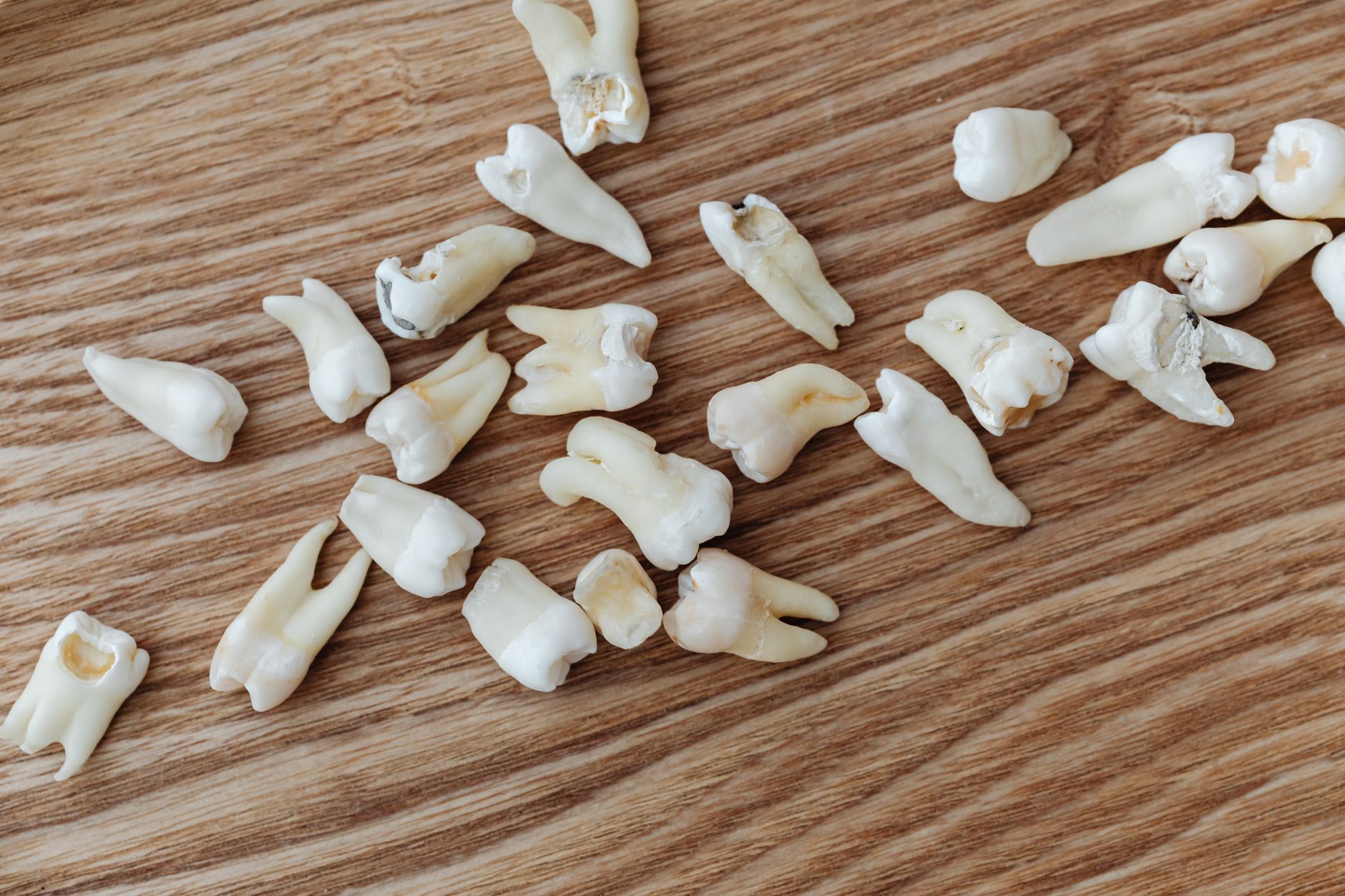
Cavity symptoms include tooth sensitivity to sweet, hot or cold foods, sharp pain when biting, visible holes or pits, and brown, black or white stains on the enamel. Early cavities often cause no symptoms at all, so regular dental exams remain the most reliable way to catch decay early.
Ignoring early cavity symptoms is one of the most common reasons a tiny spot of decay turns into a painful, expensive problem. A cavity rarely announces itself loudly at the start, which is exactly why so many people are caught off guard when a routine checkup reveals one. Learning what to watch for changes the outcome completely.
The good news is that tooth decay is largely preventable, and even when a cavity forms, early treatment is usually quick and affordable. This guide walks through the warning signs, the real causes, how to prevent cavities, and the treatment options available today.
Early Cavity Symptoms and Warning Signs to Watch
The tricky part about tooth decay is that it usually starts silently. In its earliest stage, a cavity sits inside the enamel and causes no discomfort at all. By the time you feel something, the decay has often reached deeper, more sensitive layers of the tooth.
According to the Mayo Clinic guide to cavity signs and causes, the most common warning signs include:
- Tooth sensitivity to sweet, hot or cold foods and drinks
- A dull, lingering toothache or sudden sharp pain
- Pain or pressure when you bite down
- Visible holes, pits or rough spots in a tooth
- Brown, black or white staining on the tooth surface
These signs of a cavity tend to appear gradually. Sensitivity is often the first clue, followed by pain that comes and goes. If you notice any of them, it is wise to book a dental exam rather than wait for the discomfort to pass on its own.
How cavity symptoms change as decay spreads
Decay moves through predictable stages, and each stage brings different symptoms and treatments. The table below shows how a small problem can escalate when it is left alone.
| Stage of decay | What is happening | Common cavity symptoms | Typical treatment |
|---|---|---|---|
| Early enamel stage | Minerals leave the enamel, leaving a white or chalky spot | Usually none | Fluoride and improved home care |
| Enamel decay | A hole forms in the outer enamel | Mild sensitivity | Dental filling |
| Dentin decay | Decay reaches the softer dentin | Sensitivity and toothache | Filling, inlay or onlay |
| Pulp involvement | Bacteria reach the nerve | Severe pain, swelling | Root canal or extraction |
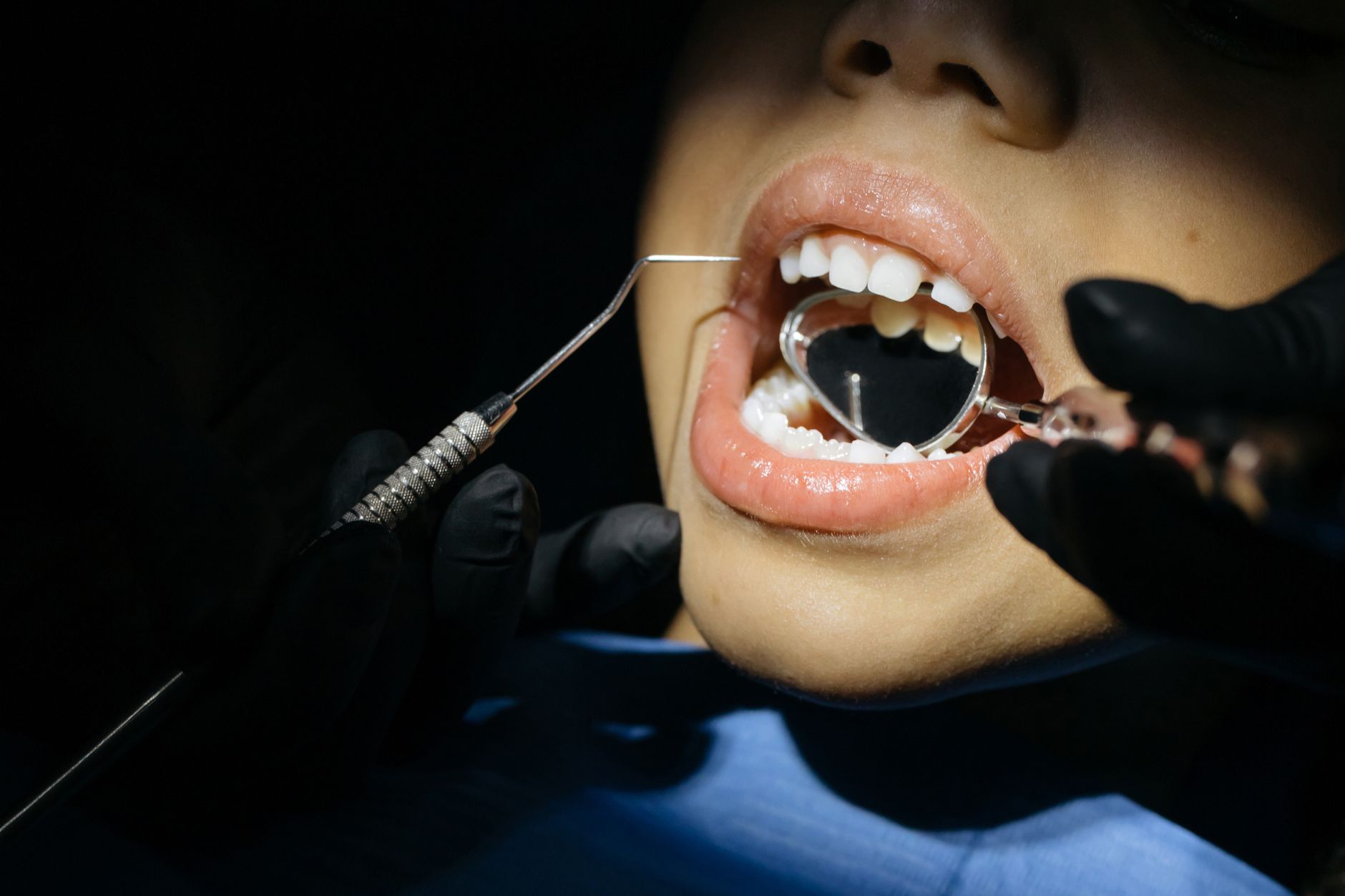
What Causes Tooth Decay in the First Place
Cavities are caused by a chain reaction rather than a single culprit. Every day, a sticky film called plaque forms on your teeth. The bacteria in that plaque feed on sugars and starches from what you eat and drink, then release acids that slowly dissolve the enamel.
Sugar itself is not the direct cause, but it fuels the bacteria that are. Frequent snacking and sipping sugary drinks keep those bacteria producing acid almost non-stop, which gives your enamel little time to recover between meals.
A few factors raise the risk further. Back teeth have deep grooves that trap food, dry mouth reduces protective saliva, and inconsistent brushing or flossing lets plaque build up. Together, these conditions create the perfect environment for a cavity to take hold.
How to Prevent Cavities Before They Start
Prevention is far easier than treatment, and most of it happens at home. Understanding how to prevent cavities comes down to disrupting plaque daily and starving the bacteria that produce acid. Tooth decay remains one of the most common chronic diseases across all ages, yet it responds well to consistent habits.
Build these habits into your routine:
- Brush twice a day for two to three minutes with a fluoride toothpaste
- Clean between your teeth daily with floss or interdental brushes
- Limit sugary snacks and drinks, and rinse with water afterward
- Choose enamel-friendly foods like cheese, plain yogurt and crunchy vegetables
- Stay hydrated, since a dry mouth speeds up decay
Fluoride deserves special mention because it strengthens enamel and can even reverse the earliest signs of decay. Professional cleanings, fluoride applications and dental sealants add another protective layer, especially for children and anyone prone to cavities.
If you have noticed sensitivity, staining or a persistent ache, do not wait for it to worsen. Booking a professional dental exam is the surest way to catch decay while it is still small, so consider reaching out to a local dental team for an evaluation.
Cavity Treatment Options From Fillings to Crowns
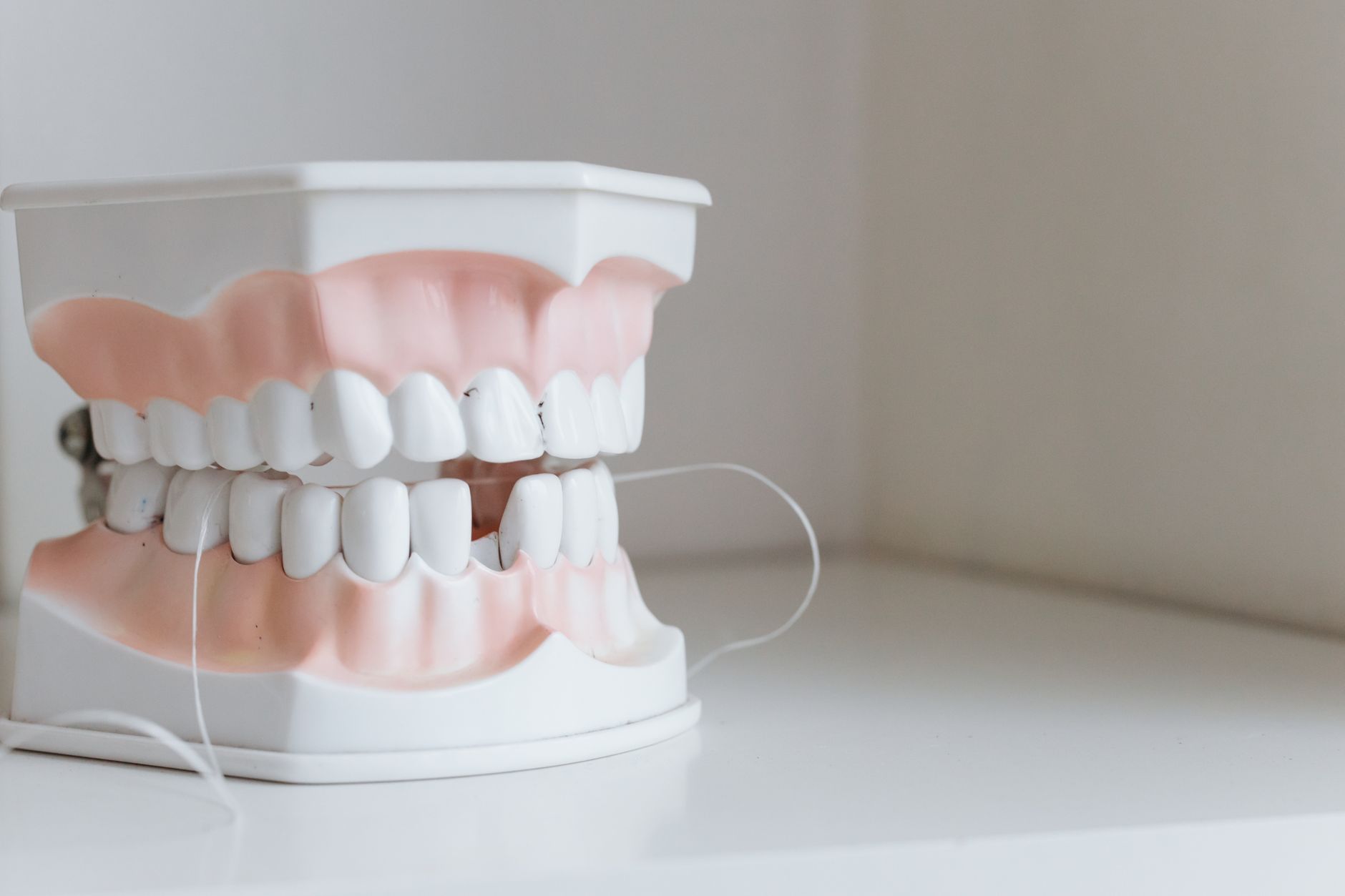
When decay has already set in, the right cavity treatment depends entirely on how far it has advanced. The earlier a problem is found, the simpler and less invasive the fix. The Mayo Clinic overview of cavity diagnosis and treatment outlines the standard options used today.
For an early cavity, a professional fluoride treatment may be enough to remineralize the enamel. Once a hole has formed, a filling restores the tooth in a single visit. Larger areas of decay may call for an inlay, onlay or a dental crown to rebuild the tooth's strength and shape.
When decay reaches the nerve, a root canal removes the infected pulp and saves the tooth, usually followed by a crown for protection. In the most advanced cases, where a tooth cannot be saved, a tooth extraction becomes the last resort, after which replacement options like an implant or bridge can restore function. You can explore professional cavity treatment options to understand what each stage typically involves.
Spotting a cavity between teeth
A cavity between teeth is one of the easiest to miss because it hides in the contact point a toothbrush cannot reach. These interproximal cavities are usually detected with bitewing X-rays before they ever cause pain. Daily flossing is your strongest defense, since it clears the plaque that would otherwise settle in these hidden spaces.
Conclusion
Recognizing cavity symptoms early gives you the best chance to treat tooth decay with a simple filling instead of a root canal or an extraction. Watch for sensitivity, pain and visible changes, keep up daily brushing and flossing, and never skip your routine checkups. If something feels off, book a dental exam soon, because acting early protects both your smile and your budget.