
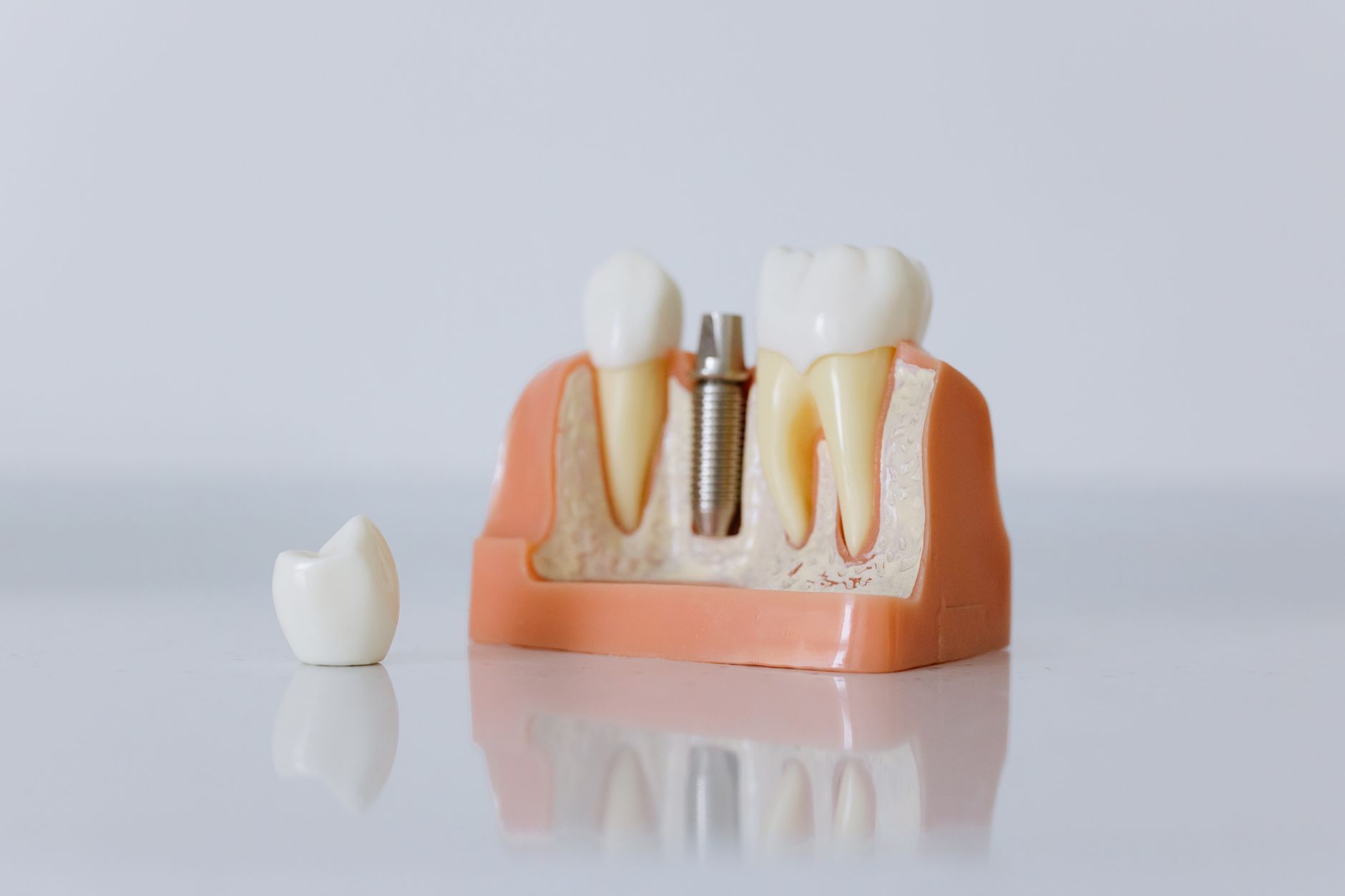
The main dentures types are partial dentures, complete or full dentures, and implant-supported dentures. Partial dentures replace a few missing teeth, full dentures restore an entire arch, and implant-supported dentures add extra stability. The right choice depends on how many natural teeth remain and your comfort goals.
Losing a tooth, or several, can change how you eat, speak, and smile. Modern dentures make it possible to restore that function and confidence, yet many people feel unsure about which option truly fits their situation. Understanding the available choices is the first step toward a comfortable result.
This guide breaks down the different denture options, offers practical cleaning advice, and explains what really happens during the adjustment period, so the whole transition feels far less intimidating.
What are the main dentures types
Dentures are custom appliances that replace missing teeth and the surrounding tissue. Choosing well starts with knowing the main dentures types and what each one is designed to do. Broadly, patients pick between removable and fixed solutions, and the number of teeth you need to replace usually points toward one clear direction.
Partial dentures
Partial dentures are a smart fit when you still have several healthy natural teeth. They sit on a gum-coloured base, attach to neighbouring teeth with discreet clasps or a flexible frame, and fill the gaps left by lost teeth. Beyond appearance, they stop the remaining teeth from drifting out of position. You can explore removable partial denture options to compare the acrylic, metal, and flexible variations available.
Complete or full dentures
When no natural teeth remain in a jaw, complete or full dentures restore the entire arch. They rest directly on the gums and stay in place through suction and careful shaping. A modern complete denture treatment is customized so the shape, shade, and bite look natural, while also supporting the lips and cheeks for a fuller facial profile.
Implant-supported dentures
For patients who want extra stability, implant-supported dentures anchor onto a few small titanium implants placed in the jaw. They resist slipping during meals and conversation and help preserve bone over the long term. If security is your priority, these implant-supported denture solutions sit between a traditional removable appliance and fixed teeth.
| Denture type | Best suited for | Key features |
|---|---|---|
| Partial dentures | Some healthy natural teeth remain | Removable, clasps or flexible base, prevents shifting |
| Complete or full dentures | No natural teeth in a jaw | Replace a whole arch, held by suction |
| Implant-supported dentures | Wanting more grip and stability | Anchored to implants, more secure, protects bone |
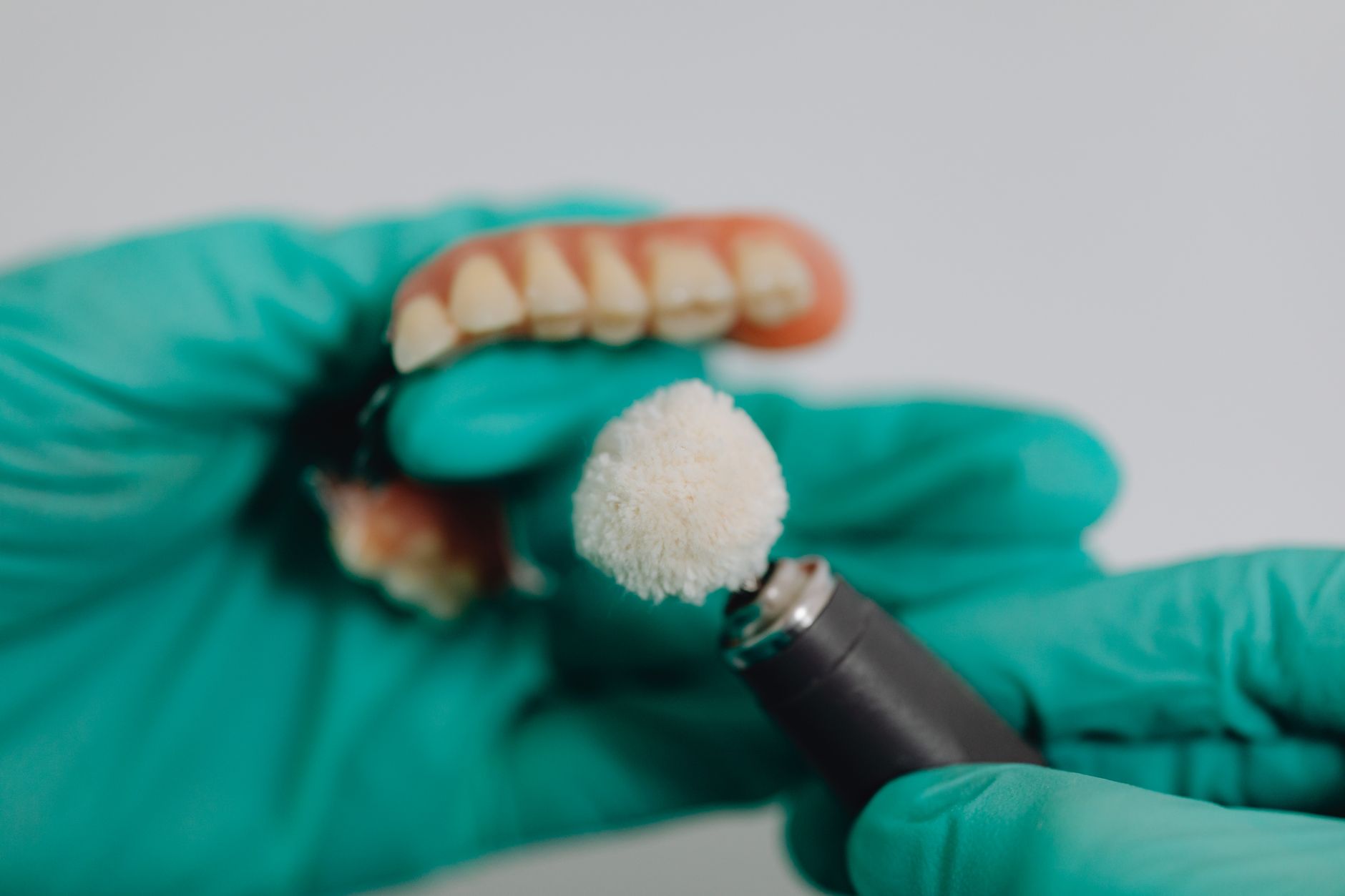
Choosing between partial dentures and full dentures
Deciding between partial dentures and full dentures comes down to how many teeth are still healthy. Partial dentures preserve and work around your natural teeth, while full dentures are the route once a whole arch is gone. Cost, comfort, and long-term maintenance also matter, which is why a hands-on assessment beats a generic online answer.
Factors a denturist weighs with you include:
- The number and health of any remaining teeth
- The condition of your gums and jawbone
- Your budget and insurance coverage
- How much stability you want while eating and speaking
Not sure which path fits your smile? A short consultation with a certified denturist turns guesswork into a clear, personalized plan and a proper fitting. You can book an appointment to review your options in person.
How to care for and clean your dentures
Good denture care keeps your appliance comfortable, hygienic, and long-lasting. Knowing how to clean dentures the right way also protects the soft tissues underneath. The habits are simple, but consistency is what prevents stains, odour, and irritation.
A reliable daily routine looks like this:
- Rinse dentures under water after every meal to remove loose food
- Brush all surfaces daily with a soft denture brush and mild soap or denture cleaner, not abrasive toothpaste
- Soak them overnight in water or a cleaning solution so your gums can rest
- Handle them over a folded towel or a water-filled sink to avoid breakage
- Keep your gums, tongue, and any remaining natural teeth clean as well
Provincial dental bodies echo these steps. For example, these denture cleaning tips for seniors recommend removing dentures before cleaning them and storing them properly to give the mouth time to rest.
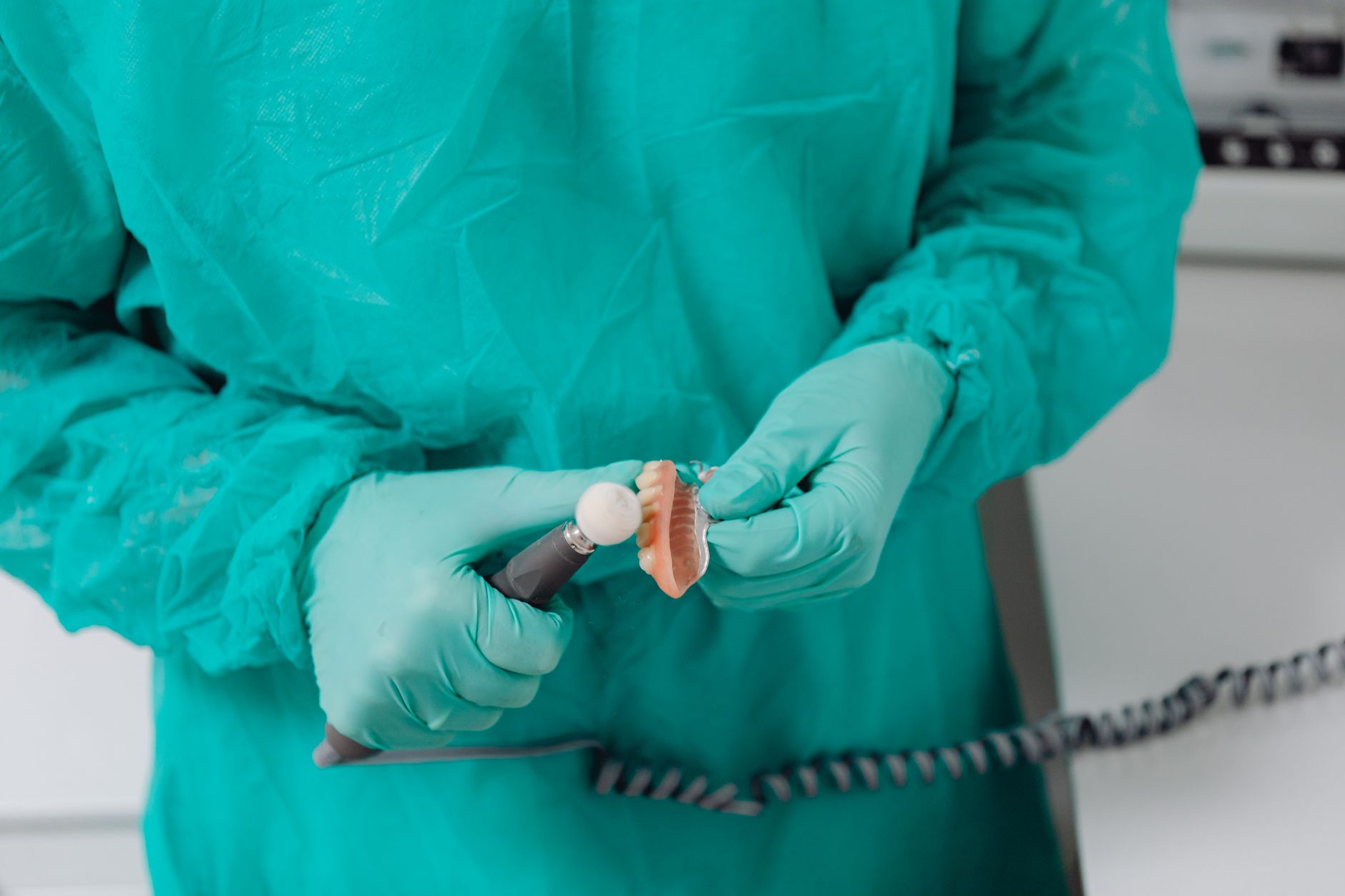
How to adjust to wearing dentures
Adjusting to dentures is a process, not an overnight switch. The first days can feel unusual as your cheeks, tongue, and lips learn to hold and control the new appliance. A little patience during this window makes a real difference in the final comfort.
Speech and eating improve steadily with practice. Reading aloud helps your tongue relearn certain sounds, and starting with soft foods eases your jaw into chewing. A slight increase in saliva at first is normal and settles quickly.
To make the transition smoother:
- Begin with soft foods cut into small pieces and chew on both sides
- Practise speaking or reading aloud at home
- Use a denture adhesive only if your denturist suggests it
- Remove the dentures at night unless advised otherwise
- Report sore spots early instead of tolerating them
Your fit can also change as your mouth changes over the years. Trusted advice on denture fit and adjustment explains that gums and bone shift over time, so periodic relines or adjustments keep the appliance secure.
Conclusion
Understanding the main dentures types, from partial dentures to full and implant-supported options, makes it far easier to choose a comfortable, confident solution. Pair the right appliance with a simple cleaning routine and a little patience during the adjustment period, and daily life quickly feels normal again. When you are ready, a certified denturist can assess your needs and recommend professional denture services tailored to your smile. Booking a personalized consultation is the best next step toward eating, speaking, and smiling with ease.