
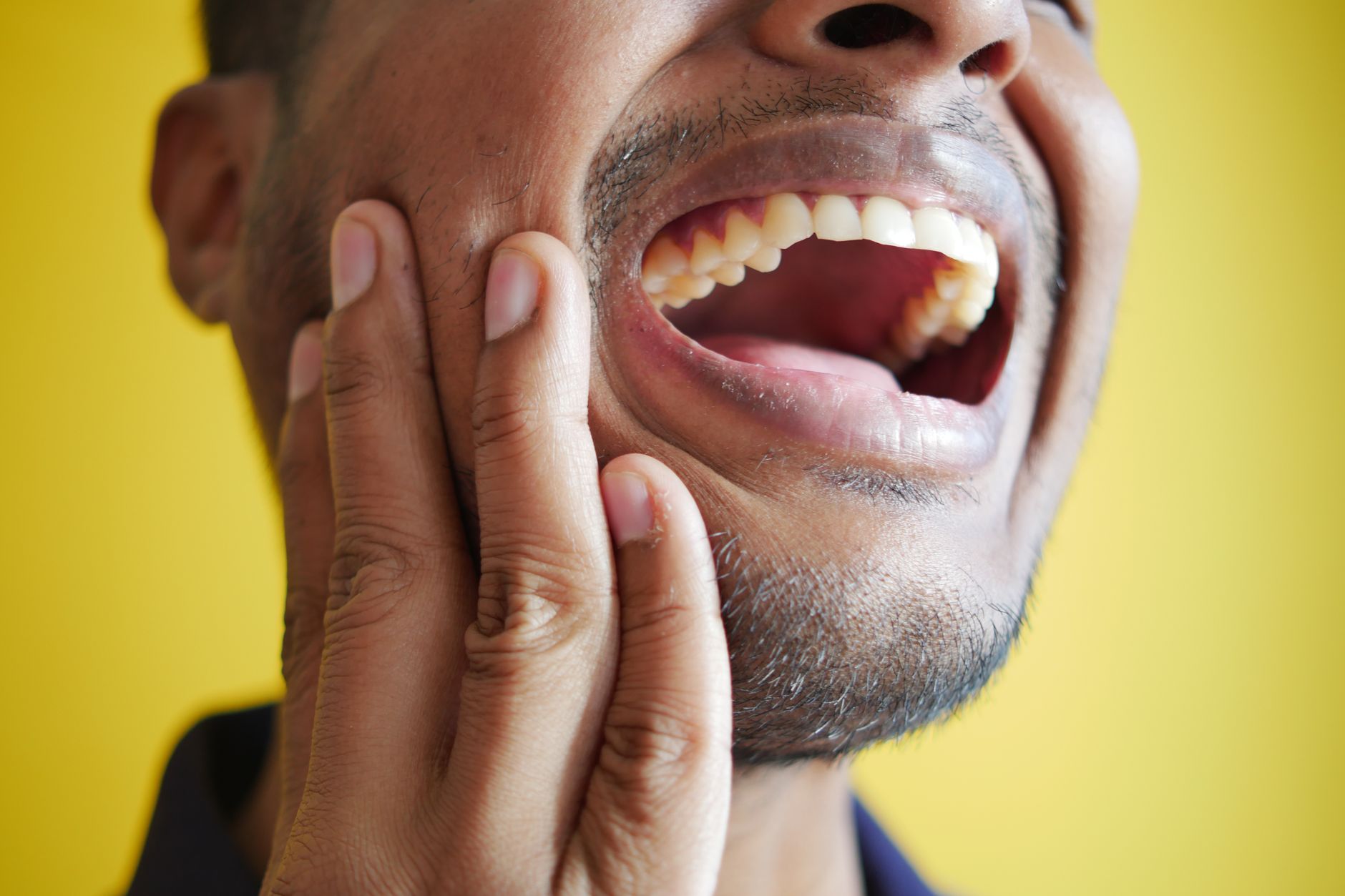
Jaw pain causes range from teeth grinding and stress to arthritis, injury, and a misaligned bite. When the pain sits near the ear, clicks, or limits how wide the mouth opens, a temporomandibular joint (TMJ) disorder is often behind it and deserves a professional evaluation.
Waking up with a sore, tired jaw is more common than most people think, and the list of jaw pain causes is longer than a rough night of sleep. That dull ache along the side of your face, the click when you yawn, or the tension that creeps up toward your ear can all point back to one small but hard-working joint. Understanding what is really going on is the first step toward lasting relief.
What the temporomandibular joint actually does
The temporomandibular joint acts like a sliding hinge that connects your lower jaw to your skull, with one joint on each side of your face. It lets you chew, speak, yawn, and swallow, and a small cushioning disk keeps the movement smooth. Because it works thousands of times a day, it is sensitive to strain, tension, and wear.
When something disrupts this balance, the result is a temporomandibular disorder, often shortened to TMD. According to the National Institute of Dental and Craniofacial Research, TMDs cover more than 30 conditions that affect the joint, the chewing muscles, and the surrounding tissues, which is why the symptoms can feel so different from one person to the next.
Common jaw pain causes you should not ignore
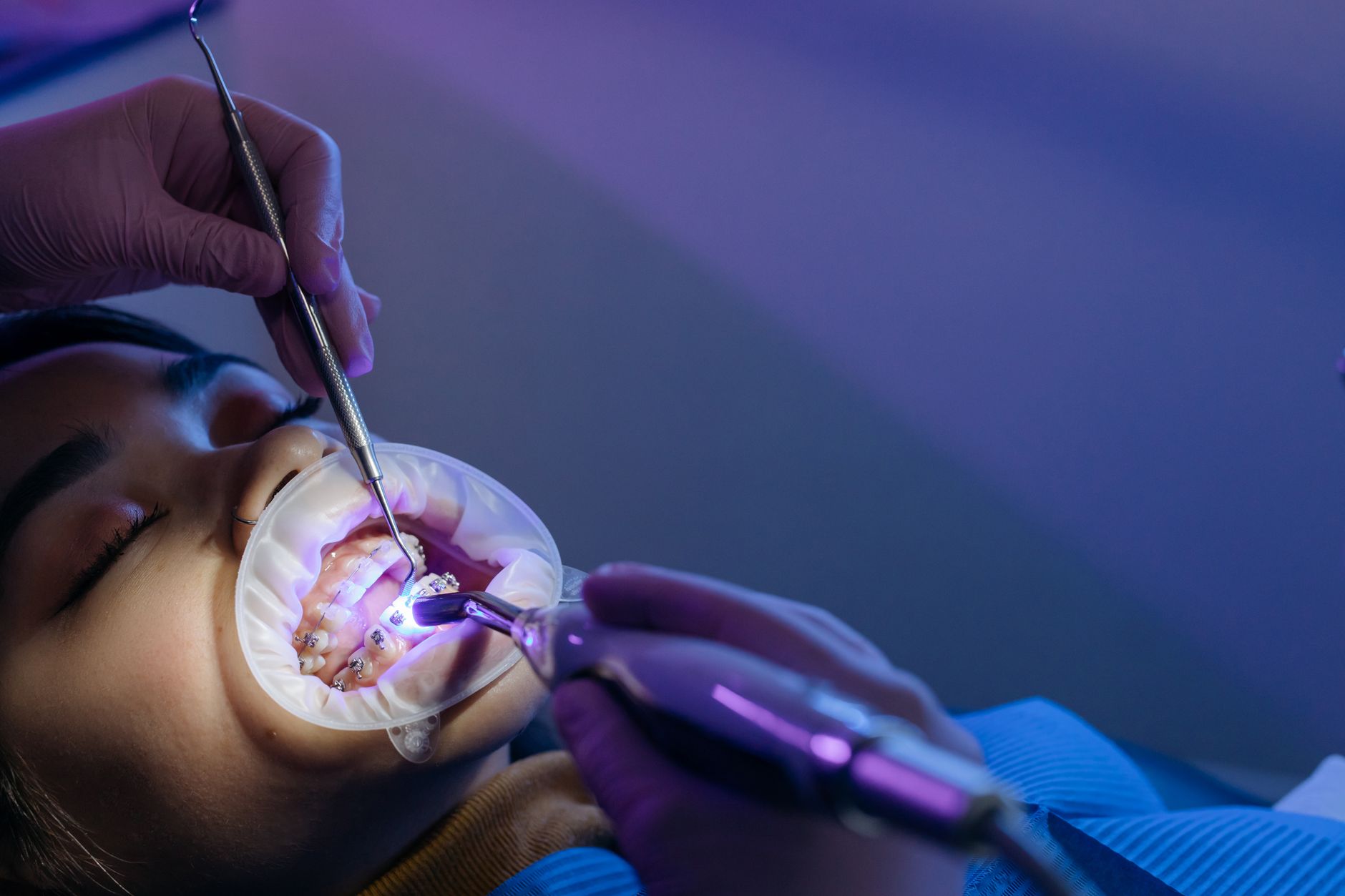
Most jaw pain traces back to a handful of triggers, and often more than one is at play. The Mayo Clinic notes that the discomfort usually comes from a mix of overlapping factors rather than a single clear injury, which is part of what makes it tricky to self-diagnose.
Here are the most frequent culprits behind ongoing jaw pain:
- Teeth grinding and clenching, often during sleep or moments of stress
- Everyday stress that keeps the jaw muscles tight and fatigued
- Arthritis or cartilage wear inside the joint itself
- A blow to the face, whiplash, or another injury
- A misaligned bite or ill-fitting dentures that spread pressure unevenly
The table below groups the main jaw pain causes with the signs that tend to come with them.
| Common cause | Typical signs |
|---|---|
| Teeth grinding (bruxism) | Worn or sensitive teeth, morning soreness, headaches |
| Stress and muscle tension | Tight jaw, daytime clenching, facial fatigue |
| Arthritis in the joint | Stiffness, a gritty sensation, deep aching |
| Injury or whiplash | Sudden pain, swelling, limited opening |
| Misaligned bite or dentures | Uneven pressure, clicking, discomfort while chewing |
If clenching is your main trigger, teeth grinding and clenching tends to fuel a cycle of muscle strain that keeps the jaw sore and tired.
TMJ disorder symptoms that point to the joint
Not all jaw pain is a TMJ disorder, but certain patterns strongly suggest the joint is involved. TMJ disorder symptoms often cluster together rather than appear alone, and they can spread beyond the jaw to the ears, temples, and neck.
Watch for these signals:
- Jaw pain near the ear, since the joint sits just in front of the ear canal
- Jaw clicking, popping, or a grating sound when you open or close
- A jaw that catches, locks, or feels stuck for a moment
- Trouble opening your mouth fully or chewing without discomfort
- Frequent tension headaches, ringing in the ears, or facial soreness
Jaw clicking on its own is common and often harmless. It matters more when it arrives alongside pain, limited movement, or headaches, because that combination usually means the disk or the muscles are under real strain.
When jaw pain becomes a reason to seek care
Occasional stiffness after a long dental appointment or a hard chew is rarely a concern. The picture changes when the pain is constant, keeps returning, or interferes with eating and sleeping. Persistent jaw pain near the ear, a jaw you cannot open or close fully, or swelling after an impact are all clear reasons to reach out to a professional promptly.
TMDs are common. Research cited by the National Institute of Dental and Craniofacial Research estimates that they affect 5 to 10 percent of the population and are roughly twice as common in women. That prevalence is a good reminder that lingering jaw pain is worth taking seriously rather than waiting out.
Persistent jaw pain is not something to push through. A qualified dental professional can examine your bite, joint, and muscles, identify what is truly driving the discomfort, and build a plan around your specific situation rather than a generic fix.
How TMJ disorders are treated
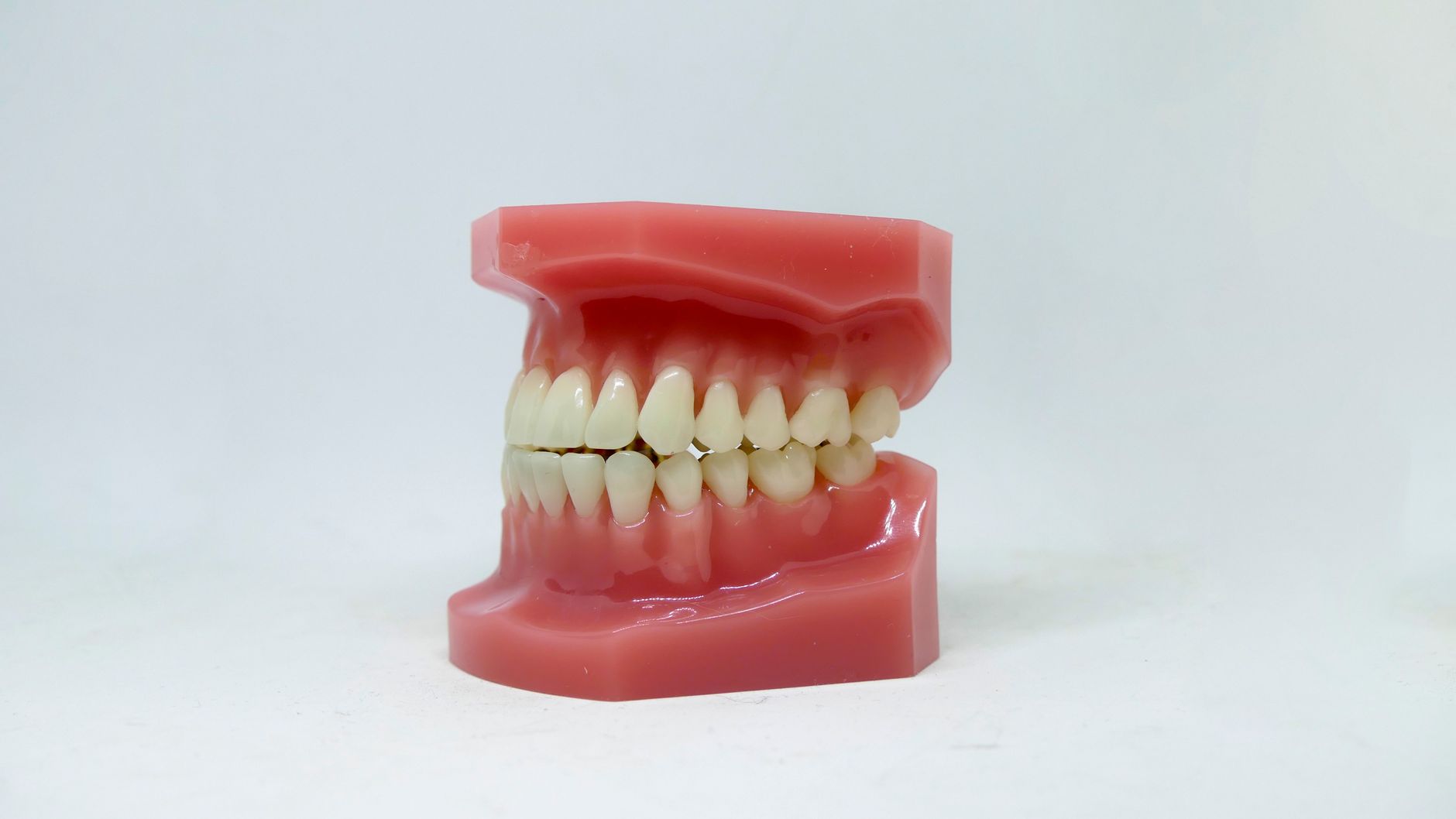
The good news is that most TMJ disorders respond well to conservative, reversible care. Treatment usually starts with the least invasive options and only escalates if needed. A professional TMJ assessment looks at how your teeth meet, how the joint moves, and which muscles are overworked, so the plan targets the actual source.
Common approaches include:
- Self-care habits such as resting the jaw, eating softer foods, applying heat or cold, and managing stress
- A custom occlusal splint worn at night to cushion the teeth and relax the jaw muscles
- A custom-fitted mouthguard for protection during sport or intense grinding
- Adjustments to dentures or bite alignment when uneven pressure is the trigger
- Gentle jaw exercises and referrals to specialists for more complex cases
A splint does not cure grinding on its own, but it protects your teeth from the destructive forces of clenching and eases the tension that feeds many TMJ symptoms. Worn consistently, it gives the joint and muscles the room they need to settle.
Conclusion
Understanding your jaw pain causes is the difference between guessing and getting relief. Whether the trigger is grinding, stress, arthritis, injury, or a bite that no longer fits, the signs near the ear, the clicking, and the limited movement all point toward a joint that needs attention. Left alone, a minor irritation can slide into chronic pain that touches eating, sleep, and daily comfort. If any of these symptoms sound familiar, book an evaluation with a trusted dental team, get a clear diagnosis, and take the first practical step toward a jaw that finally feels calm again.