

When weighing root canal vs extraction, saving your natural tooth with a root canal is usually the better long-term choice if the tooth is restorable. Extraction makes sense only when damage, infection or fracture leaves the tooth beyond repair and removal protects your overall oral health.
Choosing between a root canal vs extraction is one of the most common crossroads in dentistry, and the right answer shapes your comfort, your budget and your smile for years. A deep cavity, a cracked tooth or a stubborn infection can push any patient toward this decision, often during a stressful dental emergency.
The good news is that the choice follows clear, predictable logic. Understanding what each treatment involves, when each one makes sense, and what comes next lets you walk into the clinic informed instead of anxious. This guide breaks down every factor so the path forward feels obvious.
What root canal vs extraction really involves
Both treatments solve the same problem, a tooth that hurts, is infected or is badly damaged, but they take opposite directions. One keeps the tooth in place, and the other removes it. Knowing the mechanics of each helps you understand why dentists lean toward one over the other in specific situations.
How a root canal saves the tooth
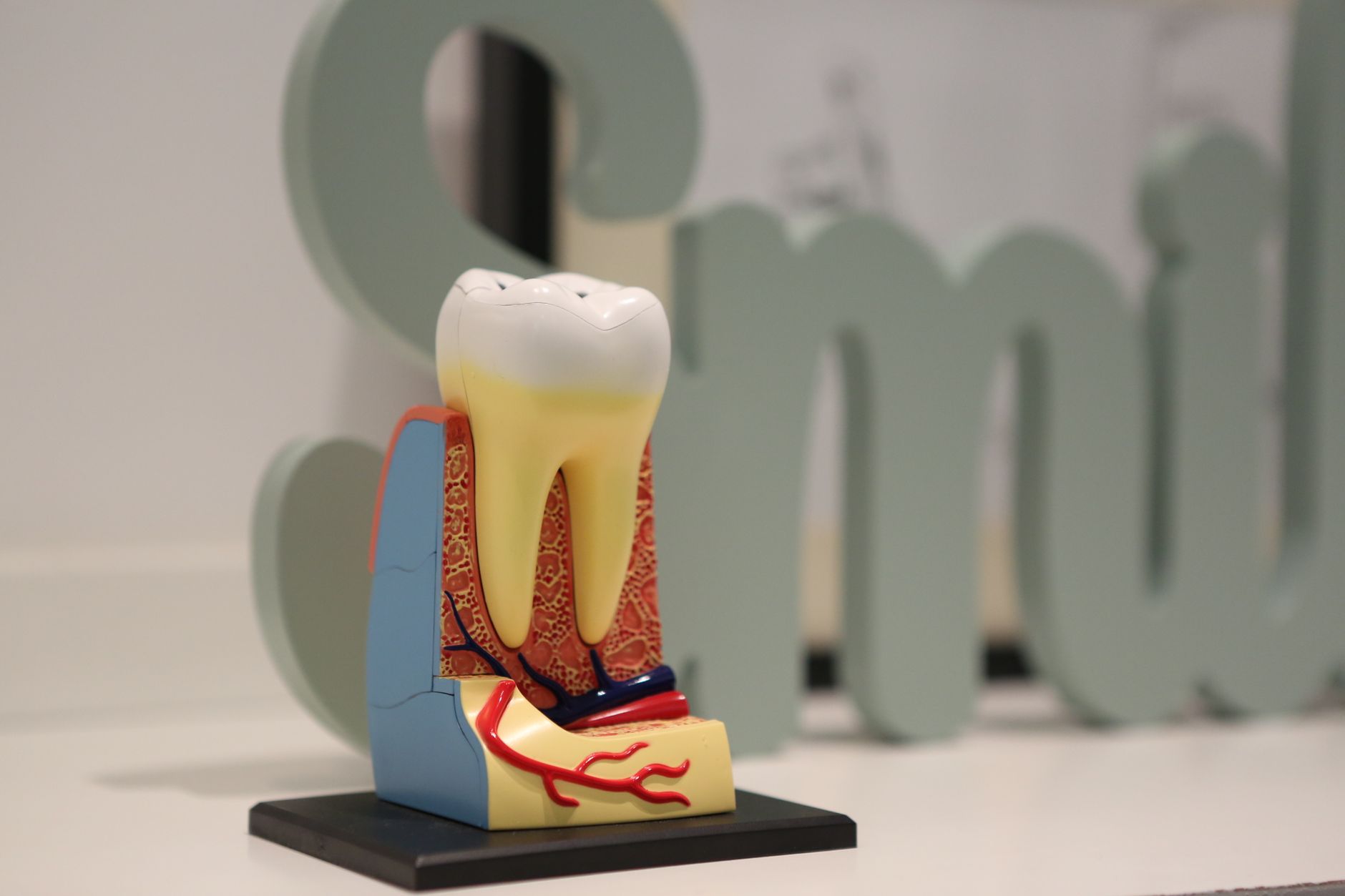
A root canal removes the infected or injured soft tissue, called pulp, from inside the crown and roots. The space is then cleaned, disinfected, shaped and sealed, and the tooth is usually capped with a crown for strength. The outer shell of your natural tooth stays exactly where it belongs.
The major advantage is preservation. As the American Association of Endodontists explains in its overview that weighs a root canal against an extraction, saving the existing tooth avoids more extensive and costly work to replace it later. A well restored tooth can keep functioning for many years.
What happens during an extraction
An extraction is the complete removal of a tooth and its attachment from the bony socket. Simple cases are done under local anesthetic, while impacted or fractured teeth may need a surgical approach. Clinics that offer professional tooth extraction plan the procedure with digital imaging to keep it precise and comfortable.
Removal solves the immediate problem quickly, but it leaves a gap. That space then needs a plan, because empty sockets rarely stay harmless for long.

When to save the tooth or extract
The core question is whether to save the tooth or extract it, and the decision rests on how much healthy structure remains. Dentists assess the crown, the roots, the surrounding bone and the level of infection before recommending a path. The following signals guide most cases.
Signs a root canal can work
A root canal is often the stronger option when the tooth can still be restored. Typical green lights include:
- The outer tooth structure is intact enough to hold a crown.
- The infection is limited to the pulp and has not destroyed the supporting bone.
- The tooth plays a key role in chewing or in keeping neighbours aligned.
- You want to preserve a natural tooth rather than replace it.
Keeping your natural tooth also protects your bite. The Canadian Dental Association notes that saving a tooth helps keep your natural tooth and prevents other teeth from drifting out of line. That alignment benefit is easy to overlook until problems appear.
When to extract a tooth
Knowing when to extract a tooth matters just as much. Natural teeth are the goal, but not every tooth can be rescued. Removal becomes the safer route in cases such as:
- A tooth broken well below the gum line, leaving nothing to rebuild.
- A vertical root fracture that cannot be sealed.
- Severe infection or advanced gum disease that has eaten away the bone.
- Crowded wisdom tooth removal where the tooth serves no useful function.
In these situations, taking the tooth out stops the problem from spreading to nearby teeth, the jaw or the bloodstream.
Comparing cost, recovery and long-term value
Cost, healing time and durability all shape the decision. Extraction usually costs less on the day of treatment, yet it often triggers replacement work later. A root canal costs more upfront but keeps the natural tooth, which can be the more economical route over a lifetime once replacement is factored in.
| Factor | Root canal (save the tooth) | Extraction (remove the tooth) |
|---|---|---|
| Main goal | Keep the natural tooth in place | Remove a tooth beyond repair |
| Best when | Tooth is restorable, bone is healthy | Tooth is fractured, non-restorable or badly infected |
| Natural tooth | Preserved with a crown | Lost, needs a replacement |
| Follow-up | Crown to protect the tooth | Implant, bridge or denture to fill the gap |
| Recovery | Mild tenderness for a few days | Gum healing over one to two weeks, bone longer |
Not sure whether your tooth can still be saved? Booking a professional assessment gives you a clear diagnosis and a written plan before you commit to any treatment.
Root canal or implant when the tooth cannot be saved
If a tooth is truly non-restorable, the real comparison shifts to root canal or implant, and once extraction is unavoidable, a replacement plan keeps your mouth healthy. Leaving a gap allows neighbouring teeth to tilt and the opposing tooth to over-erupt, which slowly changes your bite.
Modern dental implants are often the closest match to a natural tooth, since the implant replaces the root and supports a crown on its own. Bridges and dentures are proven alternatives, and the best fit depends on your bone, your budget and your goals. Whatever you choose, act while the socket heals rather than years later.
Whenever the tooth remains restorable, the priority stays the same, and keeping your natural tooth almost always wins over removing it. That is why the root canal vs extraction question so often ends with a decision to save what nature already gave you.
Conclusion
The root canal vs extraction decision comes down to one question, can the tooth be saved safely and predictably? When the answer is yes, endodontic treatment protects your natural tooth, your alignment and your long-term budget. When the answer is no, a well planned extraction followed by the right replacement keeps your smile strong. Book a professional evaluation to get a personalized diagnosis and choose the option that truly fits your mouth.