
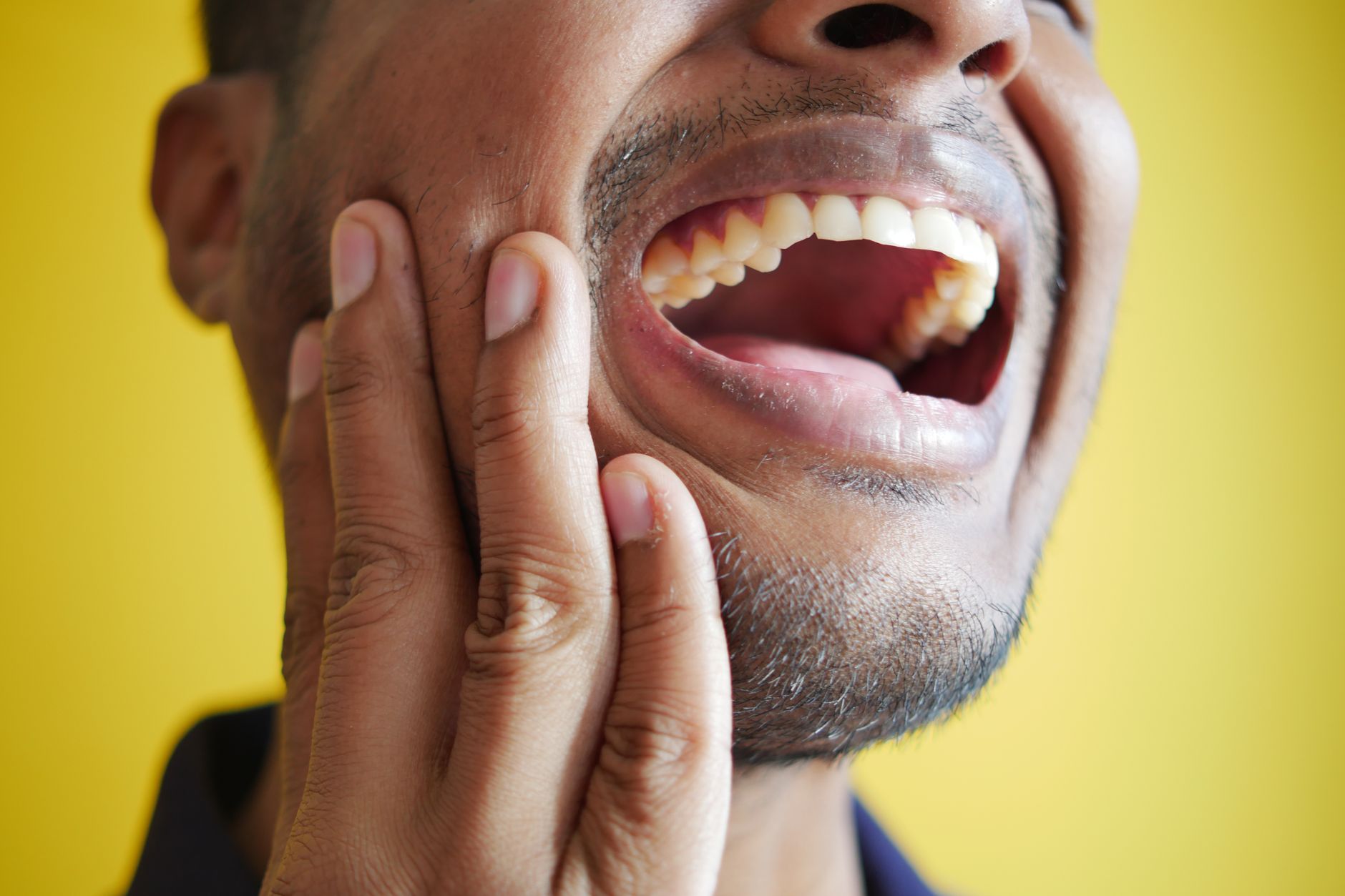
Wisdom tooth pain usually happens when third molars lack room to erupt, become impacted, or trigger infection in the surrounding gum. Mild cases ease with home care, but persistent pain, swelling, or a bad taste signals that a dental assessment and possible extraction are needed.
That throbbing at the back of your jaw rarely arrives at a convenient time. For many young adults across Sainte-Julie and the South Shore, wisdom tooth pain is the first real sign that the last molars are trying to push through. Knowing what the discomfort means, how the extraction works, and what recovery looks like takes the guesswork out of a stressful moment. This guide walks through each stage, from the earliest twinge to the final days of healing.
What causes wisdom tooth pain
Wisdom teeth are the third molars at the very back of the mouth, and they usually try to emerge between the ages of 15 and 25. Because the modern jaw is often too small to fit them, they can press against neighbouring teeth, stall under the gum, or erupt at an awkward angle. Each of these situations puts pressure on nerves and soft tissue, which is what produces that deep, aching wisdom tooth pain.
An impacted wisdom tooth
An impacted wisdom tooth is one that cannot fully break through the gum or bone. It may sit sideways, stay partly covered by a flap of gum, or remain fully trapped below the surface. Trapped molars trap food and bacteria too, which is why an impacted wisdom tooth so often becomes sore, swollen, and hard to clean properly.
Wisdom tooth infection and gum flare-ups
When bacteria collect around a partly erupted molar, the gum can become inflamed, a condition often called pericoronitis. Left alone, a wisdom tooth infection can spread to the jaw and cheek, turning mild soreness into a genuine emergency. A foul taste, pus, or a fever alongside the pain are warning signs that the problem is no longer minor.
Symptoms you should not ignore
Not every ache means surgery is around the corner, but certain signals deserve prompt attention. Watch for the following:
- Throbbing or radiating pain at the back of the jaw
- Red, swollen, or bleeding gums around an erupting molar
- Stiffness or difficulty opening the mouth fully
- A bad taste, bad breath, or pus near the tooth
- Headaches or pressure that spreads toward the ear
Tingling or numbness in the lower lip or chin can point to nerve involvement and should be checked quickly. Symptoms that come and go for weeks tend to return stronger, so tracking how often they flare gives your dentist useful information at your visit.
When to remove wisdom teeth and when to wait
Deciding when to remove wisdom teeth depends on symptoms, position, and risk rather than a fixed rule. Removal is usually recommended when a tooth is impacted, repeatedly infected, damaging its neighbour, or feeding decay that cannot be cleaned. When molars are healthy, well aligned, and easy to brush, a dentist may simply monitor them with periodic X-rays.
Surgeons often favour earlier treatment because the risks and recovery time tend to increase with age. Younger patients generally have softer bone and more flexible tissue, which can make both the procedure and the healing smoother. That is why screening often begins in the late teens, well before serious trouble starts.
What happens during wisdom teeth extraction
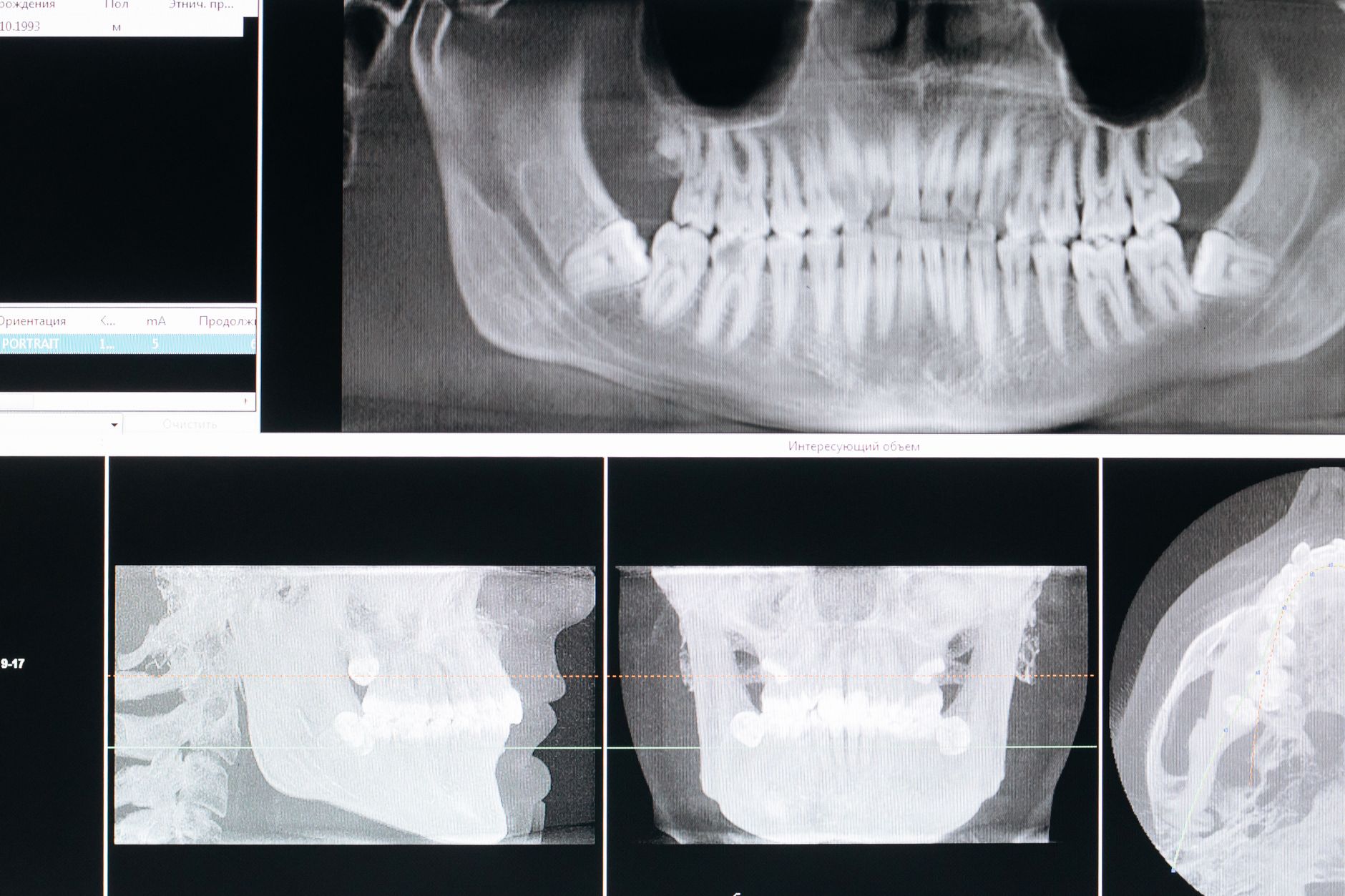
Surgical wisdom teeth extraction starts with a consultation and a panoramic X-ray so the team can map the roots and the nearby nerves. A simple, fully erupted molar may be lifted out much like a routine tooth extraction procedure, while an impacted one calls for a small incision and, occasionally, the removal of a little bone. Local anaesthetic keeps the area numb, and dissolvable stitches often close the site.
Depending on the case, all four molars can be treated in a single visit or spread across separate appointments. Your dentist will explain the anaesthesia options and the expected timeline before anything begins.
Persistent pain, swelling, or a locked jaw are not problems to wait out. Speaking with an experienced South Shore dental team early makes treatment simpler and recovery smoother, so it helps to book a professional assessment before a flare-up becomes an emergency.

Wisdom teeth removal recovery timeline
Wisdom teeth removal recovery is gradual, and most people return to everyday activities within a few days. The blood clot that forms in the socket is the foundation of healing, so protecting it during the first day matters most.
| Stage | Timeframe | What to expect |
|---|---|---|
| First day | 0 to 24 hours | Bleeding eases, clot forms, swelling begins |
| Early healing | Days 2 to 3 | Swelling peaks, soft-food diet, gentle rinses |
| Feeling better | Days 4 to 7 | Comfort returns, gum starts to close |
| Full closure | Weeks to months | Gum seals and bone rebuilds beneath it |
The first 24 hours
Bite gently on gauze to control bleeding, keep your head elevated, and apply a cold pack to the cheek in short intervals. Avoid straws, spitting, smoking, and vigorous rinsing, because the suction and pressure can dislodge the clot and trigger a painful dry socket.
Days two to seven
As the days pass, comfort returns if the socket is protected. Helpful habits include the following:
- Rinsing gently with warm salt water after meals, starting on day two
- Eating soft, cool foods such as yogurt, soup, and smoothies with a spoon
- Brushing carefully while avoiding the surgical sites
- Taking pain relief exactly as directed
- Resting for a day or two before returning to strenuous activity
Following these post-extraction care instructions closely is the single biggest factor in a smooth recovery. Call your dentist if pain suddenly worsens after day three, if a foul smell appears, or if bleeding does not settle.
Conclusion
Wisdom tooth pain is your body flagging that the last molars need attention, whether that means watchful monitoring or timely removal. Understanding the symptoms, the extraction steps, and the recovery timeline helps you act with confidence instead of worry. When discomfort lingers, exploring local dental services and getting a clear, professional opinion is the smartest move for lasting relief.