
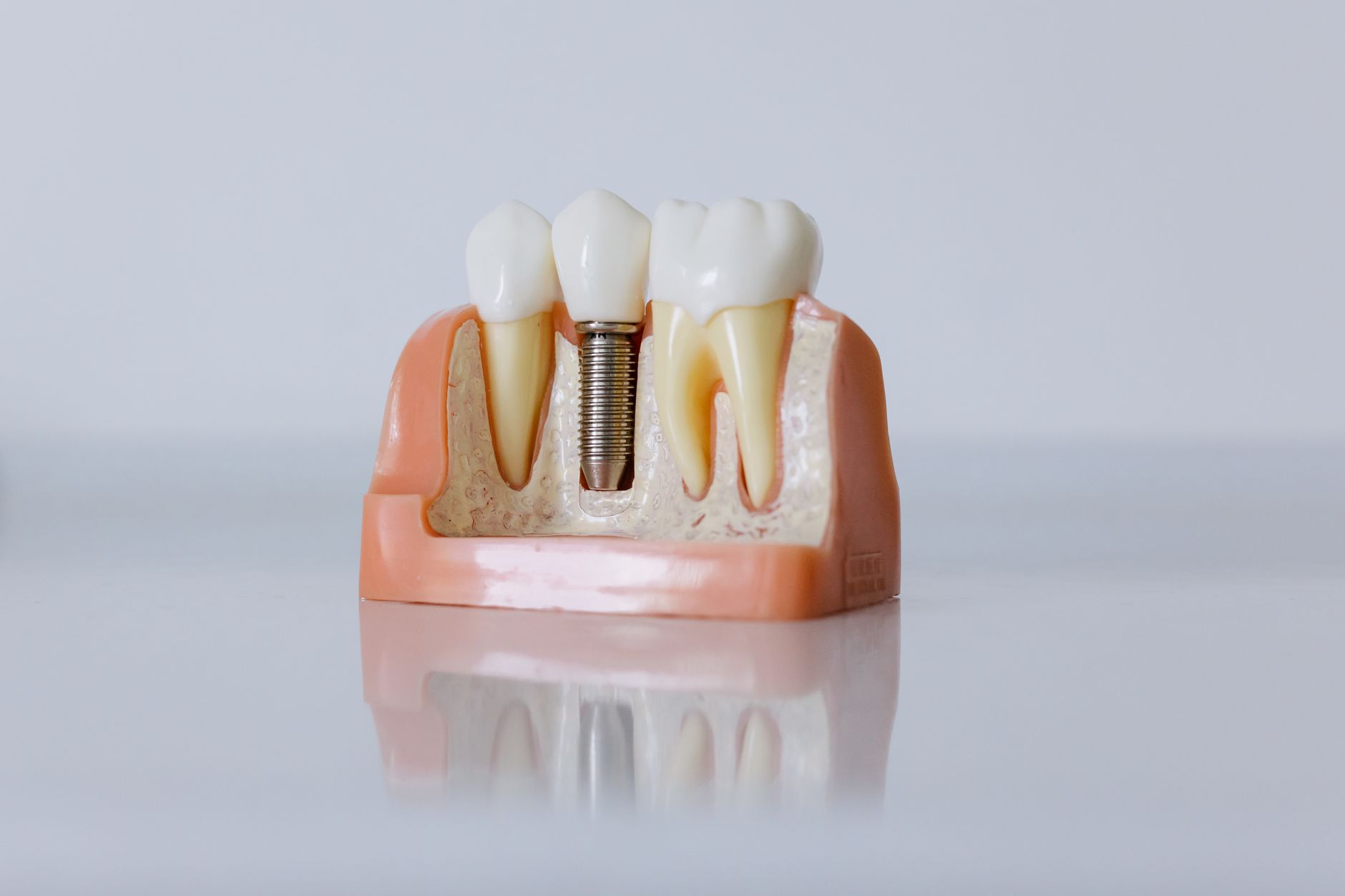
In Canada, dental implant cost typically ranges from about $3,000 to $6,000 for a single tooth, covering the implant, abutment and crown. The final price depends on your jawbone health, materials and any extra procedures such as bone grafting, so a personalized quote remains essential.
Replacing a missing tooth brings up one pressing question, and dental implant cost usually tops the list before anything else gets decided. Quotes swing widely from one clinic to the next, which makes it hard to know what a fair price actually looks like across Quebec and the rest of Canada.
This guide breaks down real 2026 price ranges, walks through the procedure and recovery step by step, and answers the questions patients ask most, so the numbers stop feeling like a mystery.
How much does a dental implant cost in Canada
Across Canada, a single dental implant cost generally lands between $3,000 and $6,000 once the surgical post, the abutment and the crown are included. Independent Canada-wide implant pricing data places a typical single tooth between $3,982 and $5,752, with Quebec quotes often starting closer to $3,400.
Because implants sit outside the provincial fee guide, prices are set clinic by clinic. The table below shows where the money usually goes, based on current Canadian cost breakdowns.
| Implant cost element | Typical range in Canada (CAD) |
|---|---|
| Implant post (titanium screw) | $1,500 to $3,000 |
| Abutment (connector) | $500 to $1,000 |
| Crown (visible tooth) | $1,000 to $2,000 |
| Single tooth total | $3,000 to $6,000 |
| Bone graft, if needed | $500 to $3,000 |
For patients missing several teeth, implant-supported solutions cost more but replace far more function. A removable denture pricing guide is useful for comparison, while an overdenture on two implants sits between a single implant and full-arch work in both stability and price.
What affects the price of implant treatment
Two people can get very different quotes for the same missing tooth, and the reasons are usually clinical rather than arbitrary. Preparing the mouth for a stable, long-lasting result is where the variation comes from.
Common factors that raise the total include:
- Bone health and density, which may call for a bone graft, adding roughly $500 to $3,000
- A tooth extraction before placement, often $150 to $400, sometimes handled as a simple tooth extraction
- A sinus lift for thin upper-jaw bone, around $1,500 to $3,000
- 3D imaging and treatment planning, usually $200 to $500
- The material and brand of the implant and crown, such as titanium versus zirconia
These add-ons explain why a single number rarely fits every case, and why written estimates matter far more than online averages.
Getting an exam and an itemized quote from a qualified oral health professional is the only way to turn these ballpark ranges into a real figure for your mouth. A short consultation clarifies which steps you actually need and which you can skip.
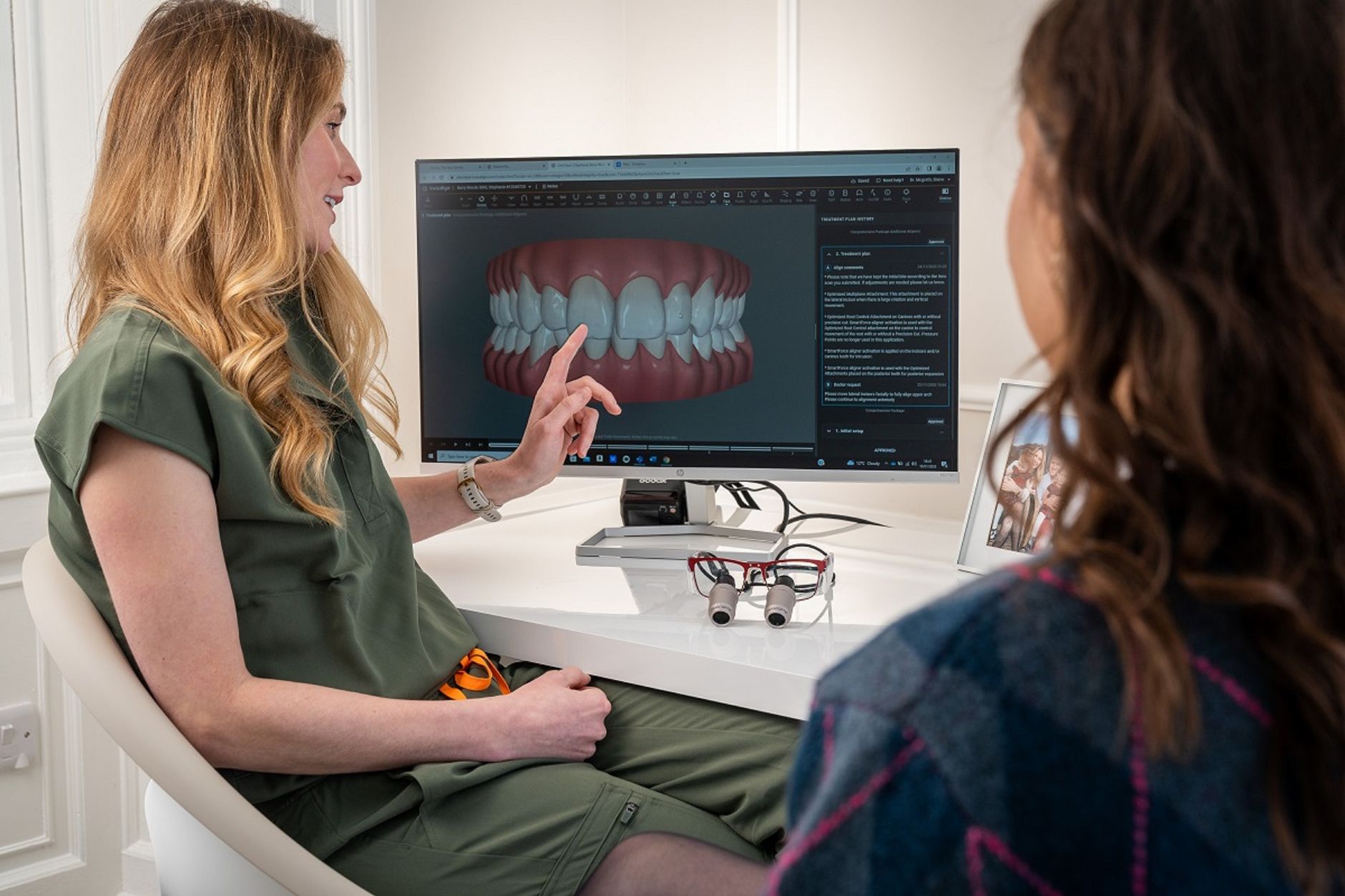
The dental implant procedure step by step
The dental implant procedure is staged over several months so the implant can bond firmly with your jaw. According to the osseointegration process described by leading clinical resources, an implant has three parts, the titanium post, the abutment and the visible restoration.
A typical treatment follows a clear path:
1. Consultation, imaging and a written treatment plan
2. Surgical placement of the titanium post into the jawbone, usually thirty to sixty minutes per site
3. A healing period while the bone fuses to the post
4. Attachment of the abutment once integration is confirmed
5. Fitting of the final crown or bridge
Patients who want the fine details of the final tooth can review custom implant restoration options before committing to a material.
Dental implant recovery and healing timeline
Dental implant recovery unfolds in layers. The gum tissue usually settles within one to two weeks, while the deeper bonding of bone to implant, called osseointegration, takes roughly three to nine months depending on your health and bone quality.
Smart aftercare protects that investment and lowers the risk of failure. During healing, most patients do well when they:
- Stick to soft foods for the first one to two weeks
- Avoid smoking, which slows healing and raises the failure risk
- Rinse gently and keep the surgical area clean as directed
- Use recommended over-the-counter pain relief as needed
- Attend every follow-up so healing can be monitored
Following these steps closely gives the implant the stable foundation it needs before the crown is loaded.
How long do dental implants last
This is where implants shine against other tooth-replacement options. Once the post has fused with the jaw, it can serve for decades, and many implants stay in place for life with proper care.
The reported implant success rates from specialist centres sit around 95 percent for integration, which explains why implants are considered a predictable long-term solution. The crown on top wears more like a natural tooth and may eventually need replacement, but the anchor beneath rarely does.
Does getting a dental implant hurt
Dental implant pain is usually milder than patients expect. The surgery is done under local anesthesia, and the jawbone has few pain receptors, so the placement itself is generally comfortable.
Afterward, some swelling, tenderness or minor bruising is normal for a few days and typically eases with an over-the-counter anti-inflammatory. Pain that sharpens or lingers past several days is not typical and warrants a quick call to your provider. For most people, the manageable recovery is a fair trade for a fixed, natural-feeling tooth.
Conclusion
Understanding dental implant cost is really about understanding value, since a well-placed implant can last a lifetime and function like a natural tooth. Real Canadian ranges run from about $3,000 to $6,000 for a single tooth, with the final figure shaped by your bone, materials and preparatory steps.
The smartest next move is simple. Book an examination with a qualified oral health professional, get an itemized quote, and compare it against the removable and full-arch alternatives before deciding. Clear information today prevents costly surprises later.
Frequently asked questions
How much does a single dental implant cost in Canada?
A single dental implant cost in Canada usually falls between $3,000 and $6,000, covering the titanium post, the abutment and the final crown. Your exact figure depends on the clinic, the materials chosen and whether extra steps like bone grafting apply. Because implants are not set by a provincial fee guide, an itemized written estimate after an examination remains the only reliable number before you commit.
Is the dental implant procedure painful?
Most patients report that the dental implant procedure feels easier than expected, since the surgery is done under local anesthesia and the jawbone itself has few pain receptors. Mild swelling, tenderness or bruising is normal for a few days and usually responds well to over-the-counter anti-inflammatories like ibuprofen. Sharp or worsening pain after several days is not typical, so contact your provider promptly if it happens.
How long do dental implants last?
With good oral hygiene and regular checkups, dental implants can last decades, and many stay functional for a lifetime because the titanium post fuses permanently with the jawbone. The visible crown wears more like a natural tooth and may need replacement after many years of use. Smoking, uncontrolled diabetes and poor cleaning habits shorten that lifespan, so daily care and professional maintenance protect your investment.
Does dental insurance cover implants in Quebec?
Coverage is limited and varies by plan. Provincial public programs and the federal dental plan generally exclude implant fixtures and implant surgery, treating them as elective, though some help with removable dentures. Private insurance may reimburse part of the crown or a portion of the treatment, but annual maximums are low, so most of the bill stays out of pocket. Always confirm your specific benefits in writing beforehand.